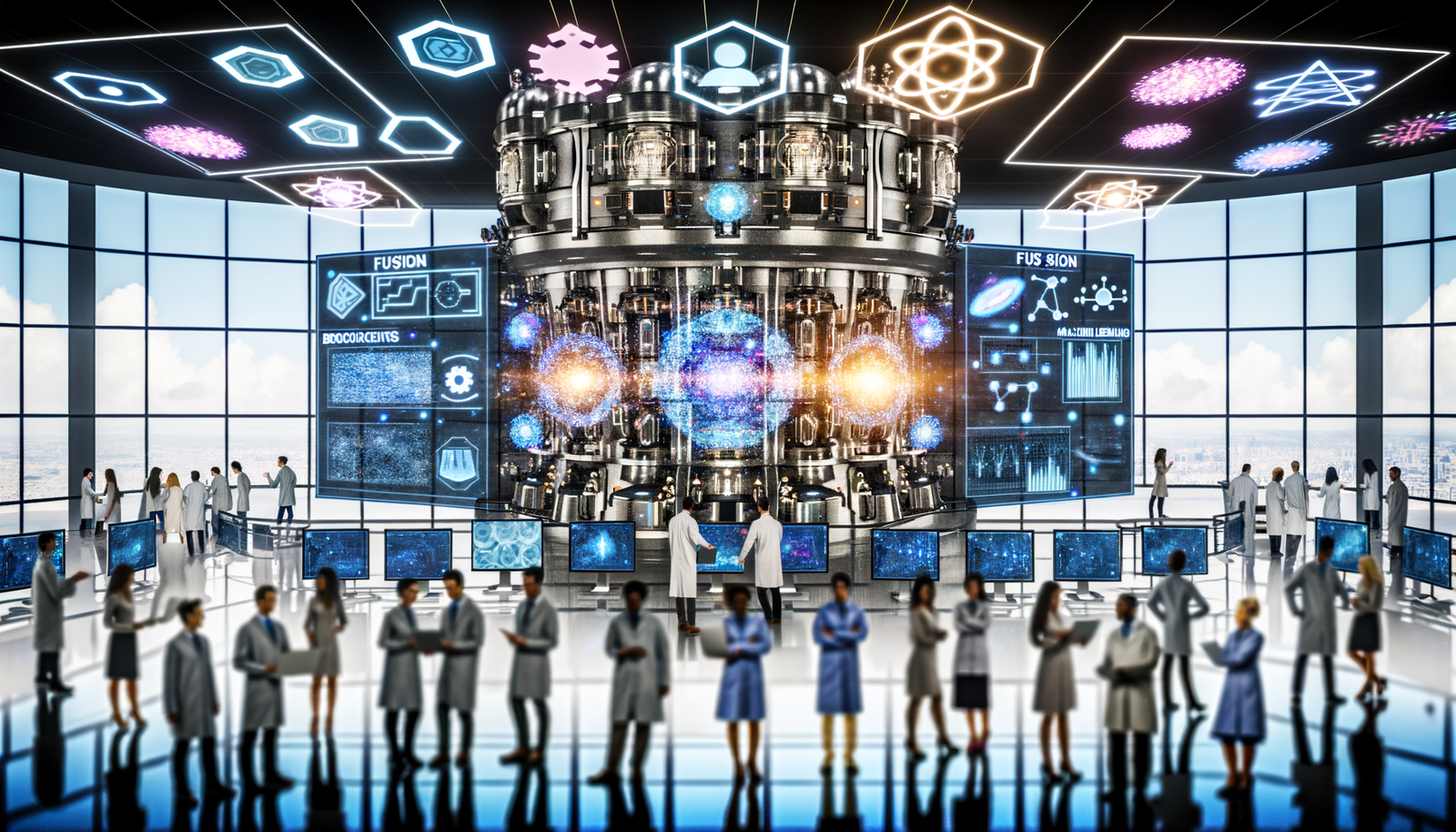
In a groundbreaking fusion of technology and science, MIT researchers are revolutionizing fusion through the innovative use of machine learning to predict plasma behavior. This advancement plays a crucial role in preventing disruptions, which are significant challenges in maintaining stable fusion reactions. By harnessing the power of machine learning, they enhance the safety and efficiency of fusion reactors, paving the way for cleaner energy sources. As the quest for sustainable energy continues, understanding how machine learning can help safely shut down fusion reactors becomes a pivotal step towards a brighter, energy-efficient future.
Fusion Energy: A Bright Hope for Tomorrow
In the grand scheme of energy production, fusion is akin to the holy grail. Imagine a world where we could emulate the sun’s energy production right here on Earth, harnessing limitless power without the harmful emissions of fossil fuels. That’s what fusion promises. Theoretically, it’s incredibly simple: take two light atomic nuclei and smash them together to form a heavier nucleus, releasing an astonishing amount of energy in the process. And yet, achieving controlled fusion is one of the most complex challenges humanity faces today.
The Challenges of Fusion: Keeping Stability in Check
While the vision of a future powered by clean fusion energy glows brightly, there’s a cloud hanging over it—disruptions in plasma confinement. Plasma, which is the fourth state of matter, is notoriously volatile and sensitive to myriad influences. Maintaining its stability is a significant hurdle. When plasma becomes unstable, it can disrupt the entire reaction, leading to losses in energy production and even damaging the reactor itself. Historically, fusion reactors have had to deal with these disruptions, which can occur unpredictably. A shutdown could mean hours or even days to restart the processes, redirecting valuable resources and efforts toward avoidance instead of advancement.
Machine Learning to the Rescue
Enter machine learning—the tool that might just change the game. Researchers at MIT have taken a proactive approach to tackle plasma disruptions by employing advanced machine learning algorithms. These algorithms act as predictive models, enabling scientists to understand and anticipate plasma behavior before it becomes unstable.
But how exactly does this work? Below are some critical elements of how machine learning is enhancing our understanding of plasma dynamics:
- Data Collection: Modern fusion reactors generate vast amounts of data every second, tracking dozens of variables such as temperature, pressure, and magnetic fields. Machine learning can sift through this data much faster than human analysts. The more data it collects, the better it becomes at making accurate predictions.
- Real-Time Analysis: Unlike traditional methods, which often rely on historical data, machine learning algorithms analyze data in real time. This allows for immediate understanding and reaction to plasma behavior, leading to better control and mitigation of potential disruptions.
- Pattern Recognition: Machine learning excels at recognizing patterns in chaotic systems. By identifying these patterns, researchers can better understand what conditions lead to disruptions and how to prevent them.
- Feedback Loops: Continuous learning means that these systems improve over time. They adapt as new data comes in, refining their predictions and allowing reactors to react dynamically.
Transformative Results: Improved Efficiency and Safety
However, what do these advancements mean on the ground? The MIT researchers have reported promising results indicating a decrease in the frequency and severity of disruptive events in fusion reactors. As these machine learning algorithms learn and adjust, they pave the way for smoother operations within the reactors. Here are some of the reported benefits:
- Minimized Disruption: With real-time predictions, operators can implement interventions before disruption occurs, thus maintaining a constant output of energy.
- Enhanced Reactor Lifespan: Reducing wear and tear during operations not only prolongs the lifespan of fusion reactors but also lowers maintenance costs.
- Informed Decision-Making: The insights generated empower reactor operators with actionable knowledge, leading to better management of fusion processes.
The Path Forward: More Than Just Fusion
While these advancements predominantly focus on fusion energy, the implications of using machine learning in plasma behavior prediction extend beyond just a single source of energy. Think about it—the world of plasma research is interconnected with other fields, including astrophysics, medicine, and materials science. The methodologies used for predicting and stabilizing plasma can easily spark innovations in other areas. Imagine the potential of machine learning helping to address challenges in nuclear fusion, plasma medicine, or even the study of stars and galaxies!
A World Energized by Innovation
As we edge closer to realizing controlled fusion as an energy source, the road laid by machine learning promises a cleaner, safer, and more sustainable future. It’s a gentle reminder that the lines between disciplines are merging, leading to collaborative breakthroughs that fuel global needs.
Parting Thoughts: The Human Element
Yet, as mesmerizing as machine learning is, it’s essential to remember the human element driving its application—passionate researchers and scientists working tirelessly in laboratories. Their dreams of creating a sustainable future remind us that technology isn’t just about data and algorithms; it’s fundamentally about people, aspirations, and our collective future. The application of machine learning in fusion isn’t just a field imbued with numbers and models; it brings stories of diligence and hope for a sustainable energy future we can all rally behind.
As we continue to innovate, learning from each disruption and victory, it becomes clearer that fusion energy—with the aid of machine learning—might just be the sanctuary we strive for in an inevitable energy crisis. As we venture into this brave new world, it’s critical for us to stay informed and engaged in these exciting developments. For more insights on the intriguing intersection of neuroscience and technology, explore Neyrotex.com.