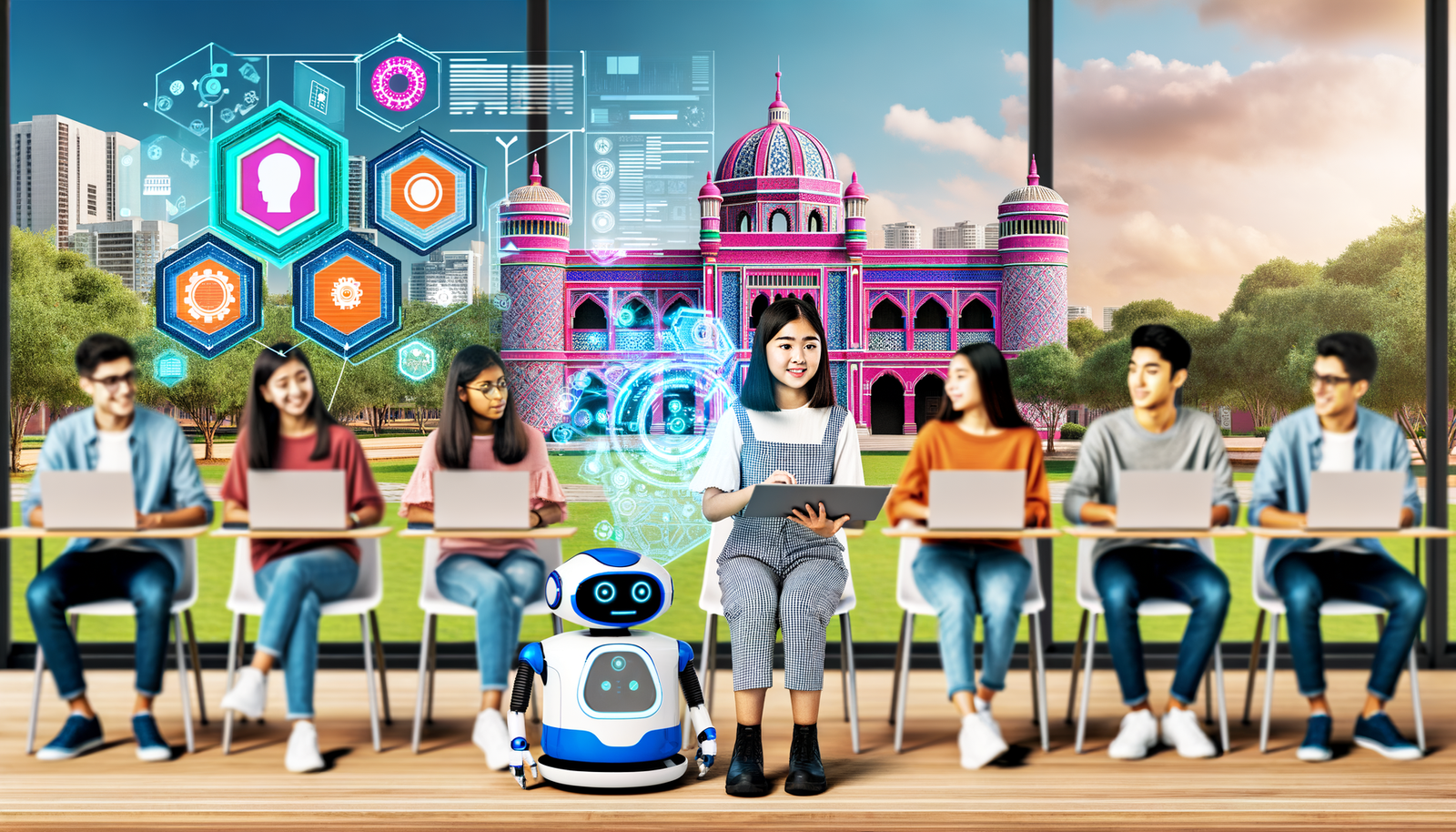
Artificial intelligence (AI), while not a new topic, has gained immense popularity with the rise of innovative software like ChatGPT and advanced image generators. This technological surge is profoundly reshaping various sectors, including education. Revolutionizing Education: How Artificial Intelligence Transforms Campus Life highlights how AI tools enhance learning experiences, streamline administrative tasks, and foster personalized education. As these technologies evolve, they not only challenge traditional educational methods but also usher in a new era of academic engagement and efficiency, making AI an invaluable asset for students and educators alike.
Understanding AI’s Role in Education
Artificial intelligence is not just a futuristic dream; it has firmly established itself within the academic realm, catering to students, educators, and administrators alike. Picture a campus bustling with students, their smartphones in hand, seamlessly engaging with AI applications that help them learn, communicate, and discover. This vibrant atmosphere paints a picture of an educational landscape radically transformed by intelligent technology.
Enhancing Learning Experiences with AI
One of the cornerstones of how AI is revolutionizing campus life is through personalized learning experiences. Gone are the days of one-size-fits-all education. AI is making it possible to customize learning in ways that cater to each student’s unique pace and style. Programs designed with machine learning algorithms can analyze a student’s strengths and weaknesses. They offer tailored content, exercises, and assessments that align with individual learning paths.
- Adaptive Learning Systems: Tools like Smart Sparrow and DreamBox Learning use data to adapt lessons in real-time, adjusting complexity and type of content based on students’ responses.
- AI Tutors: Platforms powered by AI, akin to virtual teaching assistants, operate 24/7, providing students with support whenever they need it—from homework questions to exam preparation.
Moreover, AI technology, such as natural language processing (NLP) tools, is revolutionizing how students engage with information. Note-taking applications utilize NLP to summarize lectures and highlight key points, making study time more effective. Imagine having lecture notes that organize themselves and highlight important concepts—how much time that could save students!
Streamlining Administration with AI
AI isn’t only assisting students; it also brings significant relief to administrative tasks on campus. Educational institutions juggle vast amounts of data—from applications to course management—and AI provides sophisticated solutions to manage this workload more efficiently.
- Admissions and Enrollment: AI algorithms help analyze application data, aiding admissions teams in recognizing suitable candidates and efficiently processing applications. Systems like ApplyBoard endorse this technology to enhance applicant evaluation.
- Predictive Analytics: With tools that analyze historical performance data, institutions can make informed decisions regarding course offerings and resource allocation, potentially reducing dropout rates.
By automating these processes, educators and administrative staff can focus more on what truly matters: fostering an enriching environment for learning and growth. The sense of relief from paperwork alone can create a more positive atmosphere on campuses!
Fostering Student Engagement through AI
AI is also bridging gaps between students and engagement. Traditional teaching methods can sometimes leave students feeling disconnected or uninspired. However, AI technologies transform lectures and seminars, making them more interactive and engaging.
- Interactive Chatbots: Many campuses have integrated chatbots into their systems, which act as instant responses for student inquiries—from administrative questions to course-related help—creating avenues for prompt communication.
- AI-Powered Collaboration Tools: Platforms like Microsoft Teams and Google Classroom incorporate AI to enhance collaborative projects, providing students with resources to conduct virtual brainstorming sessions and discuss assignments in real-time, no matter their physical location.
This combination not only enhances students’ educational journeys; it empowers them to take ownership of their learning. In a connected world, skills such as teamwork and digital collaboration are crucial, and AI helps facilitate this crucial experience.
Addressing Challenges with AI Technology
While the benefits of AI in education are vast, embracing this technology does not come without challenges. Data privacy remains a pressing concern, with questions surrounding how student information is processed and used. Institutions must prioritize protecting sensitive data while leveraging AI’s full potential.
- Ethical Concerns: As seen with AI biases, institutions must ensure that algorithms are constructed fairly and without discrimination, especially important when dealing with admissions and grading processes.
- Digital Divide: Not all students have equal access to technology, which can lead to disparities in educational experiences. Addressing this digital divide is essential as campuses move forward with AI initiatives.
It’s critical for educational leaders to create guidelines, frameworks, and policies that harness AI’s power responsibly while navigating its ethical implications. With collaboration among students, educators, and tech developers, solutions can be devised to confront these pressing issues.
Preparing for the Future: AI’s Role in Skill Development
As AI technology evolves, educational institutions must also adjust their curriculum to ensure students are prepared for the future job market. Learning how to engage with AI tools will become an essential skill across numerous industries. This integration transcends traditional subjects, encouraging interdisciplinary approaches, where students learn AI programming alongside ethical considerations, data analysis, and problem-solving.
- STEM and AI Courses: With increased interest in fields drove by AI, educational systems are diligently adapting to offer courses that integrate STEM topics with critical AI literacy.
- Workshops and Competitions: Engaging activities, such as hackathons or AI competitions, not only introduce students to AI but also provide real-world experience in tackling problems, fostering innovation.
These foundational skills set students on a trajectory towards success, enabling them to harness AI’s capabilities rather than fear its disruption—a critical mindset in this rapidly changing world.
Conclusion
As we venture deeper into the digital age, the intersection of artificial intelligence and education is undeniably transforming campus life. AI is enriching learning experiences, streamlining administrative burdens, and promoting student engagement. However, it also presents challenges that must be navigated with care. Educational leaders and tech developers alike have the opportunity to forge a responsible path forward that empowers students, fosters innovation, and proactively addresses ethical considerations. Through collaboration and foresight, the educational landscape can adapt to these significant shifts brought forth by AI, creating an academic environment ripe for exploration and discovery.
In conclusion, education is not just changing; it is being revolutionized, and artificial intelligence is at the heart of this transformation. For more insights into AI-driven solutions for personalized education, check out Neyrotex.com.