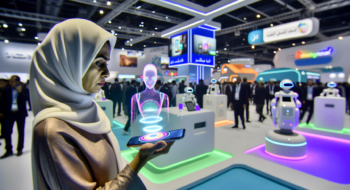
As technology continues to evolve, Google’s innovative AI, Gemini, is taking a significant leap forward. With its revolutionary upgrade, Gemini is enhancing its “memory” capabilities to better understand and remember user preferences. This means that Gemini can now provide personalized experiences tailored specifically to each user’s unique tastes and needs. Imagine an AI that not only assists but also learns and evolves with you—making your interactions smoother and more intuitive. The advancements in Gemini’s memory feature promise to reshape how we engage with AI, bringing us one step closer to a truly intelligent assistant.
Revolutionary Google Gemini AI: Remembering Your Preferences!
In the ever-evolving landscape of artificial intelligence, Google has taken the stage with a ground-breaking update for its Gemini AI. Long gone are the days of generic interactions with chatbots and virtual assistants. With Gemini’s automatic memory functionality, this AI marvel is now poised to transform your digital experience by becoming more attuned to your preferences and habits. But what does this mean for you? Let’s dive into the captivating world of Google’s Gemini AI and discover how it enhances our daily lives.
Understanding the Core of Gemini’s Memory Feature
The crowning jewel of the latest Gemini update is its automatic memory. The concept here is simple yet profound: by accumulating data over time, the AI can remember user preferences, making future interactions more personalized. Instead of starting from scratch each time you interact with Gemini, it will recall previous conversations, your favorite settings, and specific user choices such as preferred news sources, music genres, or even dietary restrictions. This layer of memory means that Gemini can tailor its responses in a way that resonates with your individual needs.
Privacy: A Top Priority
Before you start picturing a world where AI learns every single detail about you, it’s important to address the privacy concerns surrounding such advanced technology. Google understands the balance necessary between personalization and privacy. The automatic memory feature allows users to take control over what is remembered and what can be forgotten. Users can manage their data, opting in or out of memory functionalities based on their comfort levels.
This emphasis on user privacy ensures that you’re not just a data point. Instead, you’re a valued individual, and your preferences are treated with respect. For instance, if you ever decide that you want certain pieces of information or history to be removed, Gemini provides simple options to erase memories, maintaining a healthy balance between personalization and privacy.
The Mechanics Behind Memory Usage
So how does Gemini manage to recall your preferences? The AI is designed to learn through interactions and patterns, essentially acting like an intuitive companion. Here’s a breakdown of how this works:
- Interactive Sessions: Every time you converse with Gemini, it analyzes language patterns and contextual cues to gauge your preferences.
- Data Storage: Instead of storing everything, it selectively retains information that enhances your interaction quality.
- Regular Updates: The AI’s memory evolves based on your frequent interactions or shifts in your interests. It ensures that the data it holds remains relevant.
- User Control: You have the power to delete previous interactions, so Gemini’s memory aligns with your current needs.
How Will This Impact Your Daily Life?
As part of the Google ecosystem, Gemini AI is set to make waves not just in how we engage with technology daily, but also in various fields including education, healthcare, entertainment, and even professional settings. Picture this: A student using Gemini for homework assistance would benefit significantly from its ability to recall previous queries and tailor explanations to align with the student’s learning style. Likewise, a busy parent could leverage Gemini to remember weekly grocery lists or schedules, streamlining chores and responsibilities.
The enhancements made by Google aim to touch every corner of our lives. Let’s explore a few significant examples:
- Enhanced Search Results: Imagine if Google could refine search results explicitly based on your past inquiries and preferences. No more sifting through irrelevant links; just targeted, tailored information!
- Personalized News Feeds: By learning your interests, Gemini can curate news articles, podcasts, and video recommendations, ensuring that nothing important or entertaining slips through the cracks.
- Smart Scheduling: Picture your calendar being empowered by reminders and suggestions relevant to your busy life, managing time in a way that reflects your priorities.
- Health Recommendations: Whether you’re on a diet or managing health conditions, Gemini could facilitate a more personalized approach by remembering your dietary needs and supplying tailored recipes.
Challenges and Critiques
No technology is without its challenges, and the automatic memory feature of Gemini AI is no exception. Critics often wonder about the potential risks associated with AI systems having the capacity to store personal data. Concerns regarding data breaches, misuse of information, and overall trust in technology often rise to the surface. For Google, ensuring secure protocols and demonstrating transparency in how user data is used will be vital to overcoming these hurdles.
Moreover, there’s also the potential for memory management to go awry. What happens if Gemini misunderstands your preferences? For example, if it incorrectly stores a dislike for a particular food or genre? The ramifications could lead to users feeling frustrated instead of assisted. This situation underlines the necessity for an intuitive interface that allows adjustment and correction of what the AI remembers.
Future Prospects
As Google continues to refine Gemini’s capabilities, the vision of an AI that seamlessly integrates into our lives becomes increasingly tangible. With the proliferation of AI technologies, we anticipate a burgeoning demand for more personalized and adaptable systems. The implications are vast—businesses could leverage AI to enhance customer experiences, educators could personalize learning paths for students, and healthcare providers could tailor treatments based on individual patient histories. The possibilities are as limitless as human creativity itself.
Moreover, with advances in machine learning coupled with user feedback, it’s plausible to foresee AI systems evolving in real-time. They could adapt to new challenges, learning about societal shifts, emerging trends, and even user mood states, adding layers of depth to user interactions that have, until now, been largely one-dimensional.
Conclusion
In the landscape of AI, Google’s advancements with the revolutionary Gemini AI demonstrate an exciting shift toward personalization. This innovative memory feature not only enhances user experiences by understanding and remembering individual preferences but also navigates the essential aspects of privacy and control. As Google continues to pioneer advancements in AI, we look forward to a future where technology works in harmony with human intelligence, enriching our lives in ways we have only dreamed of.
With the integration of Gemini’s memory capabilities into our daily routines, the horizon looks brighter and more full of promise. So next time you ask your digital assistant about the weather or the latest trends, remember, it’s not just answering; it’s learning about you. Embrace this change and watch as Google’s Gemini AI remarkably tailors your interactions to fit you like a glove.
Explore more about the remarkable potential of AI at Neyrotex.com.