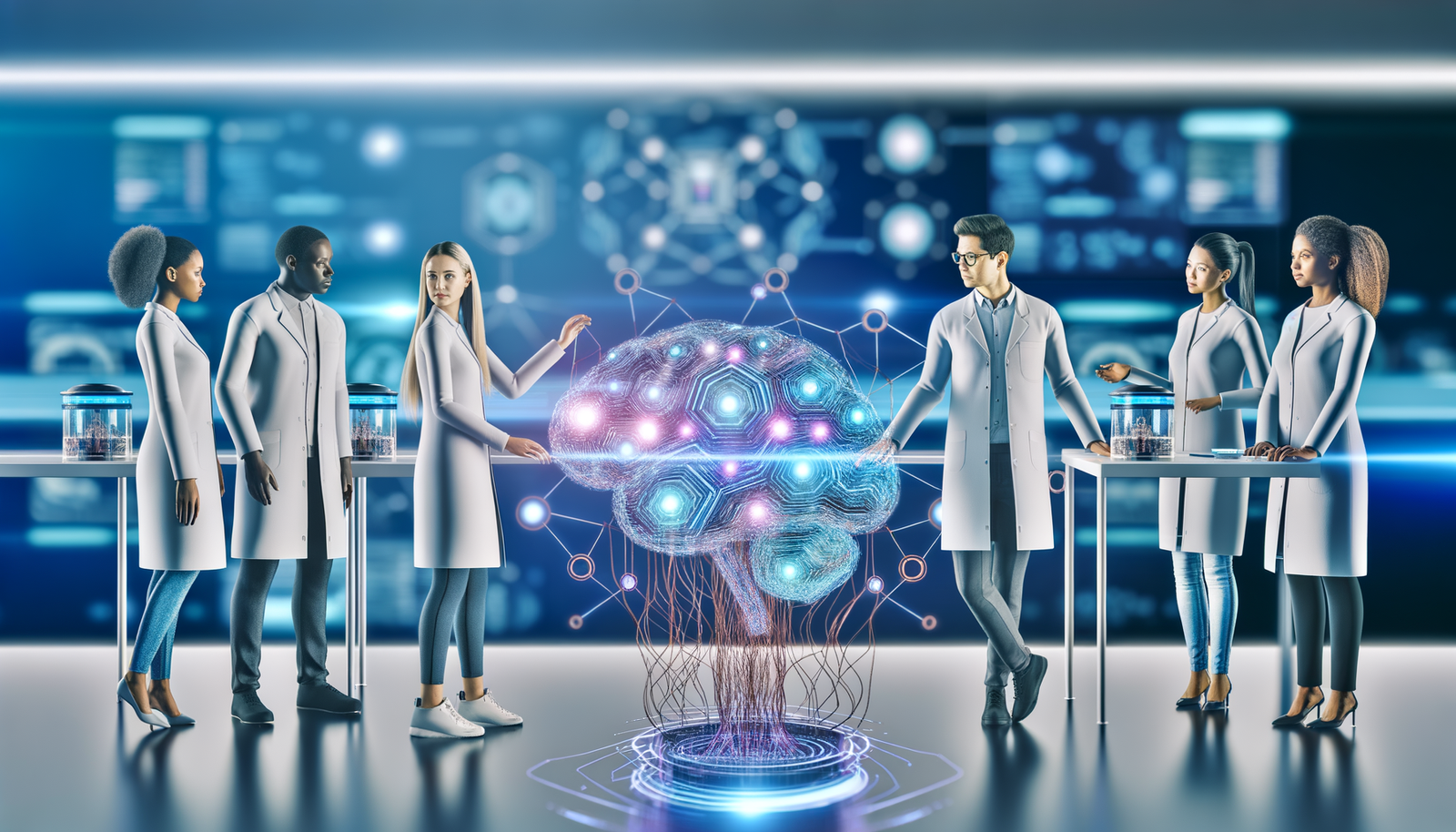
In a groundbreaking effort to redefine artificial intelligence, an MIT doctoral candidate is delving into the realm of neuromorphic computing—an innovative technology designed to emulate the complexities of the human brain. This revolutionary brain-inspired breakthrough promises AI solutions that are not only more efficient but also significantly more energy-conserving. By mimicking neural processes, this work has the potential to transform how machines learn and interact with the world, paving the way for smarter and more sustainable AI systems. As research progresses, the implications for various industries could be profound, fundamentally changing our technological landscape.
Neuroscience Meets Computing
At the heart of this exciting new frontier is the desire to mimic the remarkable efficiency of the human brain. Neuroscientists and computer scientists have long admired our brain’s ability to process information while using minimal energy. With some estimates suggesting that our brains consume only about 20 watts of power, the quest to create similarly energy-efficient AI systems is both tantalizing and pressing. Neuromorphic computing serves as the bridge, merging the realms of biology and silicon-based technology, creating systems that not only think faster but also operate more conservatively.
A New Kind of Computing
So, what exactly is neuromorphic computing? To put it simply, it’s a type of computing that mimics the architecture and functioning of the human brain. Traditional computing systems sequentially process information, whereas neuromorphic systems work like a network of neurons that fire in parallel. This mimetic approach results in an environment where machines can learn from experience rather than relying solely on pre-programmed data.
Key Components of Neuromorphic Computing
- Spiking Neural Networks (SNNs): Unlike traditional neural networks that use continuous activation functions, SNNs respond to inputs only when a certain threshold is reached, mirroring the way biological neurons communicate.
- Low Power Consumption: An essential feature of neuromorphic systems is their ability to perform computations with significantly less energy, often compared to conventional computational methods.
- Massively Parallel Processing: Neuromorphic systems allow for multiple processes to occur simultaneously, enhancing their learning and problem-solving capabilities.
The Role of MIT in Advancing Neuromorphic Computing
As pioneers in technology and research, MIT has been at the forefront of this neuromorphic revolution. With a dedicated team of researchers, including those from the Electrical Engineering and Computer Science Department, the school is investing significant resources into developing neuromorphic systems that can tackle complex real-world problems. These advancements could lead to breakthroughs in robotics, healthcare, and even autonomous vehicles, producing smarter systems that understand their environment more deeply.
Improving Our AI Paradigm
The introduction of neuromorphic computing stands to disrupt our current understanding of artificial intelligence. The traditional model demands substantial computational power and energy, often leading to environmental concerns about carbon footprints associated with large data centers. Neuromorphic computing, on the other hand, offers a guilt-free alternative with its promise of lower energy consumption.
Advantages of Neuromorphic AI Solutions
- Enhanced Learning Efficiency: Neuromorphic computing systems can learn from fewer data points, making them accessible for a wider array of applications.
- Real-Time Processing: With their ability to quickly respond to various stimuli, these systems excel in environments requiring rapid decision-making.
- Broader Applications: From intelligent personal assistants to new-age autonomous drones, the range of potential applications continues to grow as neuromorphic systems evolve.
The Broader Impacts of Neuromorphic Computing
The implications of neuromorphic computing extend beyond merely improving existing technologies. The integration of these systems into various industries could reshape our daily lives. Here are a few examples:
- Healthcare: Neuromorphic systems can analyze medical images with greater accuracy, potentially reducing misdiagnoses and improving patient outcomes.
- Transportation: Autonomous vehicles can respond to real-world scenarios in real-time, enhancing safety and reliability.
- Smart Homes: Imagine AI systems within your home that learn from your behaviors and adjust environments accordingly without excessive energy use.
The Future is Bright—But Not Without Challenges
Even amidst this exhilarating potential, challenges loom. Trickier than simply building a more efficient AI system is understanding how to best implement it and integrate it with existing technologies. The ethical implications of brain-inspired machines also warrant broad discussion. As systems grow more informed and capable, the societal impacts of deploying such advanced technology need to be scrutinized.
Approximately 50% of AI experts highlight concerns over job displacement due to smarter, efficient systems taking over roles traditionally performed by humans. While it’s vital to embrace the advancements neuromorphic computing brings, it’s equally important to invest in reskilling and upskilling the workforce to adapt to this new reality.
Education and Research—The Foundations of Change
The educational movement surrounding neuromorphic computing is crucial. As MIT continues to lead in this arena, we’re beginning to see programs that offer opportunities for students to engage with cutting-edge research, opening doors to the next generation of innovators. By promoting interdisciplinary studies that merge neuroscience, computer science, and engineering, institutions will encourage creative solutions to complex, real-world challenges.
A Collaborative Effort
Innovation rarely occurs in a vacuum. Collaboration between universities, private sectors, and governments is vital in fostering a robust research ecosystem. Government grants and partnerships with tech companies are critical for scaling research efforts. Such collaborations could help propel the findings of neuromorphic computing from academic papers to practical applications that benefit society.
A Sustainable Future is Within Reach
The promise of neuromorphic computing shines brighter than ever, suggesting that we are on the brink of a golden age for AI solutions. As technology evolves, it presents a unique opportunity to embrace sustainability, reducing our carbon footprints while enhancing technological capabilities. The vision of a cohesive, intelligent, and efficient machine learning technology seems close at hand.
Wrapping Up
It’s thrilling to consider how neuromorphic computing will reshape the future of AI. Nature has already provided us the blueprint with the intricate workings of the human brain, and we stand on the cusp of replicating that brilliance in silicon form. As we journey ahead, let’s focus on not just the innovations this research brings but the collective responsibility we bear as we set our sights on a smarter, greener tomorrow.
For more insights into innovations in neuromorphic technology and its future impact, head to Neyrotex.com.