This week in Charleston brings exciting developments, including Sullivan’s Island’s new home for a reconstructed Palmetto fort replica and the preservation of a significant John’s Island property. As the local community embraces its rich history, innovation is equally making waves with revolutionary AI traffic signals designed to enhance connectivity across the Lowcountry. These advancements promise not only to improve transportation efficiency but also to foster stronger community ties, reflecting Charleston’s unique blend of tradition and modernity. Stay tuned for all the essential updates and events shaping our vibrant city this week!
Revolutionizing Connectivity with AI Traffic Signals
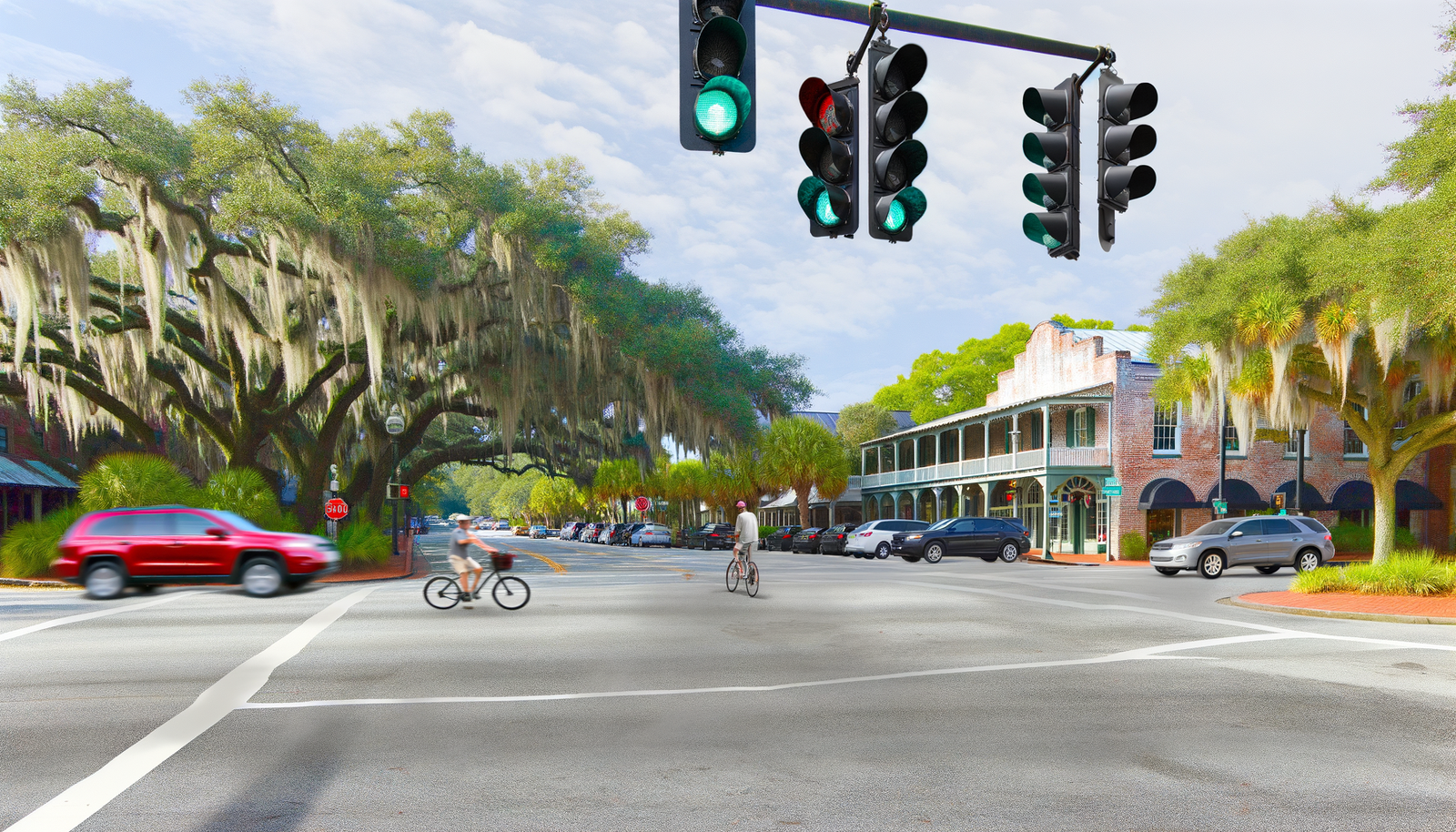
Picture this: you’re driving through the beautiful streets of Charleston, the sun is shining, and you can’t help but feel the charm of your surroundings. But there’s a hitch—that frustrating gridlock that often plagues the city. If you’ve ever wondered how technology can come to the rescue in this age-old conundrum, look no further! Enter the revolutionary AI traffic signals, paving a new path for connectivity across the Lowcountry.
Understanding the Arrival of AI Traffic Signals
The initiative to implement smart traffic signals has garnered attention for its potential to reduce congestion and improve safety on the roads. Charleston, known for its rich history and picturesque landscapes, is now embracing modern technology to ensure that the flow of traffic aligns with the needs of both the locals and visitors. But how exactly does this work?
The Genius Behind AI Traffic Signals
These AI traffic signals take advantage of advanced algorithms and data analytics to adapt in real time to traffic conditions. Unlike their traditional counterparts, they aren’t just programmed with fixed timing; they learn from the patterns of vehicles and pedestrians, adjusting accordingly. This dynamic approach leads to smoother transit across intersections and enhances safety by minimizing wait times for pedestrians. In essence, it’s all about making traffic flow as pleasant and efficient as possible!
Benefits Beyond Ease of Travel
What’s remarkable about the introduction of these smart traffic signals is their ability to do more than just streamline traffic movements. As Charleston continues to grow and thrive, the integration of AI traffic signals contributes to a myriad of community benefits:
- Reduced Emissions: By decreasing idling time at stoplights, emissions from vehicles are lowered, contributing to a cleaner environment.
- Enhanced Safety: The technology helps in mitigating accidents. With improved signal timing and pedestrian detection, the chances of collisions are significantly reduced.
- Better Emergency Response: AI signals prioritize emergency vehicles, allowing them to navigate congested areas quickly and effectively.
- Informed Decision Making: Real-time data enables city planners to make strategic decisions about infrastructure and development based on traffic pattern insights.
How AI Signals Work: The Technical Side
At the heart of AI traffic signals is a network of sensors and algorithms that work seamlessly together. The sensors track vehicle counts, speeds, and pedestrian movements at intersections, feeding this data into the AI software, which decides how to adjust signal timings dynamically. For instance, if there’s a sudden influx of cars during a peak hour, the system adapts by extending green lights, making life easier for commuters.
The Community’s Role in Implementation
Local authorities are keen on hearing feedback from residents about their experiences with the new AI traffic signals. Community engagement plays a vital part in the success of such technological shifts. Moreover, as citizens provide input, the system can be refined to cater to the unique characteristics of Charleston’s neighborhoods.
The Road Ahead: Future Prospects
As the integration of revolutionary AI traffic signals begins making headlines, it raises an exciting question: What comes next? Charleston’s innovations in traffic tech hint at a broader trend toward smarter cities.
- Laravel-based software that interacts with traffic lights for real-time updates.
- Mobile applications that provide traffic condition updates based on AI analysis.
- Development of autonomous vehicle protocols that sync with traffic signals.
Such advancements don’t just build upon the current technology; they signal a future where cars, signals, and city infrastructure can communicate effectively, leading to smoother journeys and shaping the urban landscape into a more connected experience.
What Locals Are Saying
As exciting as these changes might be, it’s essential to hear from those living right in the heart of the action. Some residents have expressed optimism about the AI traffic signals, sharing stories of improved commutes already noticed just weeks into the rollout.
Austin Greene, a frequent commuter from West Ashley, remarked, “I’ve noticed a significant decrease in the time I spend waiting at red lights. It makes me happy to drive around and see how responsive the lights are to traffic!”
Conversely, some community members have expressed concern about the implementation process and potential disruptions it could cause. Engaging in public forums enables residents to voice their thoughts and experiences, fostering a sense of community while the city enhances connectivity.
Fostering Community Through Technology
What truly shines in this revolutionary upgrade is how it fosters a sense of community. At its core, the transition to AI-driven traffic signals reflects Charleston’s commitment to progressing without losing touch with its characters. Tech meets tradition as this old historic city embraces innovation while paying homage to its cherished heritage.
Looking Even Further: Lessons from Other Cities
Charleston is not alone in this venture; cities like San Francisco and Las Vegas have already implemented similar AI signal systems with promising outcomes. By examining case studies and learning from the successes and challenges of these urban areas, Charleston can customize its approach to suit local needs better, allowing it to remain at the forefront of technological integration in transportation.
Conclusion: A Bright Future for Charleston
The introduction of revolutionary AI traffic signals in Charleston signals much more than a mere upgrade in transportation technology; it represents a forward-thinking community, eager to embrace change while remaining rooted in its rich history. As connectivity improves, so too will the overall quality of life for residents and visitors. It’s an exciting time in the Lowcountry, as Charleston sets its sights on a harmonious marriage between tradition and innovation.
Every journey through our beloved city can now become a smoother experience, driven by intelligent technology tuned to our needs. As the future approaches, the understanding that Charleston is not just a destination but a community thriving on connection becomes ever clearer.
To explore more ongoing innovations in connectivity, check out Neyrotex.com for the latest developments that could be steering your commute towards a more connected future!