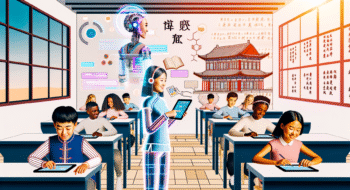
Revolutionary AI System Unveiled by BISE Lahore to Combat Exam Cheating
In a groundbreaking move, the BISE Lahore has unveiled a revolutionary AI system designed to combat exam cheating, setting a new standard in educational integrity. This innovative technology leverages advanced algorithms to monitor exam environments, ensuring fairness and transparency. As the challenges of academic dishonesty evolve, so too must our solutions. In this video, we explore the features and implications of this cutting-edge system, highlighting its potential to transform the examination landscape. Join us as we delve into this significant development that promises to uphold the integrity of education in Lahore and beyond.
The Birth of a New Era in Educational Integrity
In a world where technology continues to reshape every facet of our lives, education remains at the forefront of this transformation. With the proliferation of smartphones and social media, traditional methods of cheating during exams have gained new sophistication. This, naturally, poses a serious challenge to educational institutions striving to maintain fairness and equitable testing environments.
Recognizing this pressing issue, the BISE Lahore has taken a bold step forward by introducing an AI system tailored specifically to detect and deter academic dishonesty during examinations. This initiative is not merely a response to external pressures, but an innovative leap designed to create a more secure and fair assessment environment. As this technology takes its place in the realm of education, it sets an exciting precedent—not only in Pakistan but globally.
How the AI System Works
The heart of this revolutionary AI system lies in its sophisticated algorithms. Developed by a team of experts in education technology and artificial intelligence, these algorithms are equipped to analyze exam setups in real-time, constantly monitoring the behavior of students during assessments. Here are key components that define how this system operates:
- Real-Time Surveillance: The AI system employs an array of surveillance mechanisms, including facial recognition technology and monitoring of digital devices. This ensures that students are not engaging in dishonest practices during their examinations.
- Behavioral Analysis: By studying patterns in student behavior, the AI can flag abnormal actions, such as excessive movement or communication with peers, which may indicate possible cheating.
- Data Encryption and Security: Emphasizing student privacy, the data collected is encrypted, ensuring that individual identities remain confidential while still maintaining the integrity of the exam.
- Adaptive Learning: The system is designed to evolve. Based on emerging cheating tactics, it continuously updates its protocols to stay ahead of dishonest behaviors.
The Implications of the AI System
The introduction of this revolutionary AI system heralds a range of implications for students, educators, and the entire educational landscape. Below are some key areas where the impact can be felt:
- Restoration of Trust: By ensuring fair examination practices, the AI system aims to restore trust among students, educators, and parents. When integrity is protected, the value of academic achievements can be genuinely upheld.
- Encouragement of Authentic Learning: As the system becomes integrated into exam processes, students may be incentivized to engage in honest learning, fostering a culture of authenticity and integrity.
- Deterrent Effect: The mere presence of such an advanced monitoring system serves as a powerful deterrent against cheating. Knowing there are comprehensive measures in place can deter students from attempting dishonest strategies.
Potential Challenges Ahead
While the promise of the AI system is undeniably exciting, it is essential to recognize that challenges will arise as implementation begins. Navigating these hurdles will be crucial to the effectiveness and acceptance of the system within educational institutions.
- Privacy Concerns: Students may express concerns regarding the invasive nature of surveillance technologies. Addressing these privacy issues with transparency and communication will be vital to gaining public trust.
- Technical Limitations: No technology is perfect. Technical glitches or misinterpretations of data could lead to false accusations. Ensuring a solid support structure will help manage these risks effectively.
- Resistance to Change: Traditionalists within the educational system may be hesitant to embrace such an innovative approach to exam integrity. Effective engagement and education will be key to overcoming this resistance.
The Future of Education with AI
The BISE Lahore’s introduction of this revolutionary AI system isn’t just a momentary innovation; it’s an outlining vision of what the future of education could hold. As AI continues to be integrated into various spheres of life, it’s likely to shape how we learn, teach, and assess progress.
With the foundation laid through this current initiative, educators might also explore how AI could create more personalized learning experiences. Imagine an AI that can identify each student’s strengths and weaknesses, offering tailored resources and assessments to help them reach their full potential! The possibilities are truly endless.
A Call for Collaboration
The journey toward maintaining academic integrity is not solely the responsibility of one institution. In this age of interconnectedness, collaboration between educators, technologists, and policymakers will play a crucial role in enhancing and expanding AI systems tailored to education. Partnerships with tech companies that specialize in AI innovation will continue to refine the algorithms and methodology, ultimately leading to more effective solutions in combating exam cheating.
Moreover, involving students in discussions about technological implementations can help foster an understanding of the systems being put in place. This collaborative approach will effectively create an environment of shared ownership, making students feel their voices are valued in safeguarding their educational integrity.
Conclusion
As the BISE Lahore takes its monumental step toward utilizing cutting-edge AI technology to combat exam cheating, it’s essential to appreciate the journey ahead. This revolutionary AI system holds tremendous potential not only to deter dishonest behaviors but also to transform the assessment landscape as a whole. It encourages an educational culture that values authenticity, responsibility, and integrity—principles that every student should carry into their academic endeavors and beyond.
In an era where morality in education faces constant challenges, innovation offers a glimmer of hope. The introduction of this AI system stands as a reminder that with a combination of cutting-edge technology and unwavering commitment to fairness, we can indeed uphold the integrity of education. Interested in learning more about this significant development? For additional insights and updates, feel free to visit Neyrotex.com.