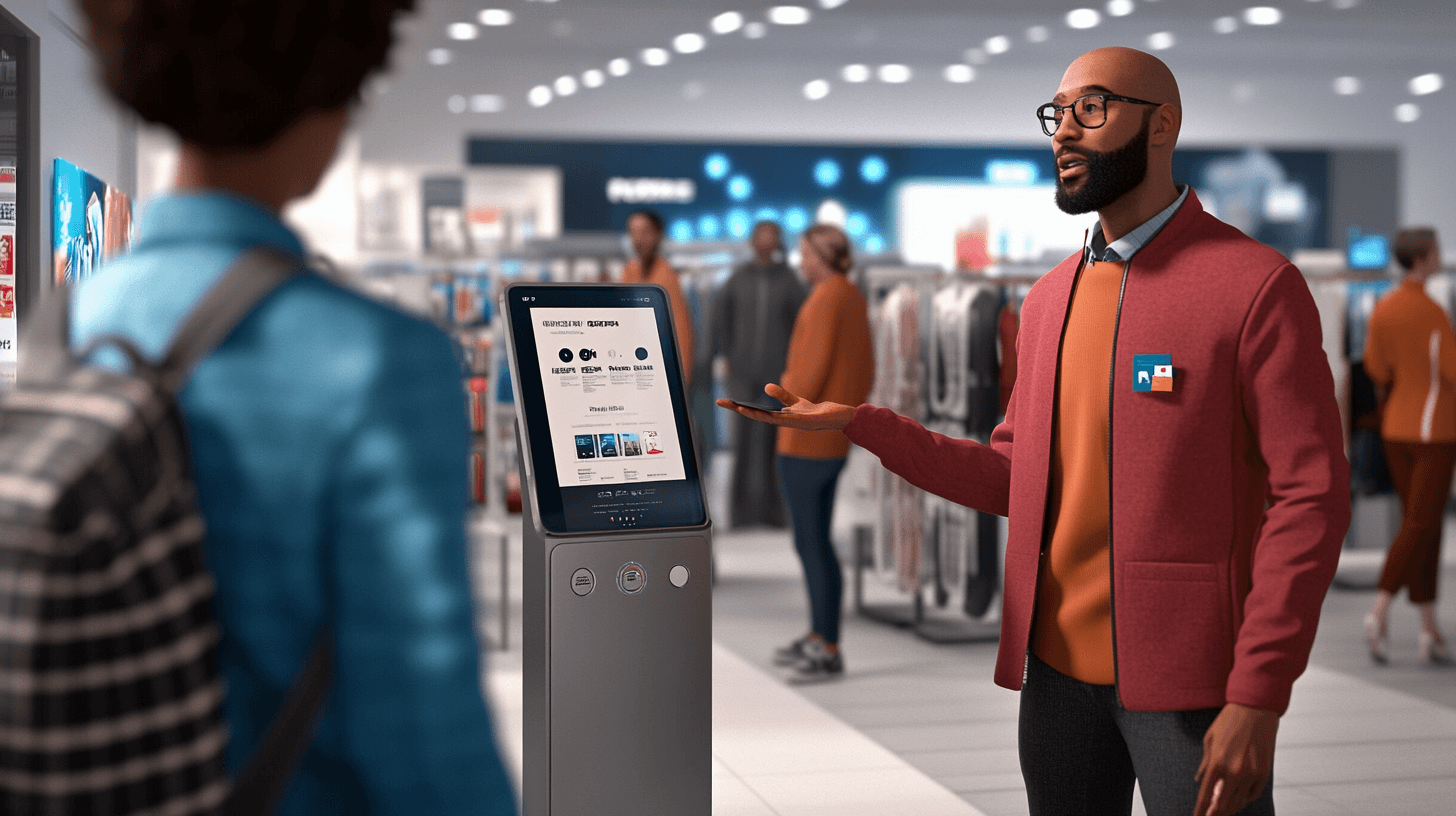
Retailers Confront Trust Issues as Generative AI Becomes Commonplace
As generative AI continues to revolutionize the retail industry, retailers are facing a new set of challenges, particularly when it comes to building and maintaining trust with their customers. This technology, with its ability to generate text, images, videos, and even entire websites, is transforming the way businesses operate, but it also raises significant trust issues that need to be addressed.
The Promise of Generative AI in Retail
Generative AI is not just a buzzword; it is a powerful tool that can significantly enhance various aspects of the retail industry. Here are some of the key ways in which generative AI is being used:
Personalized Customer Experiences
Generative AI allows retailers to create highly personalized shopping experiences. For instance, it can generate personalized product images based on text descriptions and historical image data, making the shopping experience more tailored to individual customers[4].
Automated Customer Service
AI-powered chatbots can handle customer inquiries, provide recommendations, and even assist in the preparation and follow-up of meetings, thereby reducing the workload on human customer service representatives and improving response times[1][3].
Optimized Supply Chains
Generative AI can optimize supply chain management by predicting demand, managing inventory, and streamlining logistics. This can lead to reduced costs and improved efficiency, as highlighted by the World Trade Organization (WTO), which notes that AI can lower trade costs and enhance supply chain efficiency[2].
Enhanced Marketing
AI can generate marketing content, including ads, social media posts, and email campaigns, all tailored to the specific preferences of the target audience. This not only saves time but also increases the effectiveness of marketing efforts[4].
Trust Issues Arising from Generative AI
Despite the numerous benefits, the integration of generative AI into retail operations comes with several trust-related challenges.
Transparency and Authenticity
One of the primary concerns is the transparency and authenticity of AI-generated content. Customers need to know whether the information they are receiving is generated by a human or an AI. Lack of transparency can lead to mistrust and erosion of customer confidence[2].
Data Privacy
Generative AI often requires access to vast amounts of customer data to function effectively. This raises concerns about data privacy and how this data is being used. Retailers must ensure that they are complying with all relevant data protection regulations and being transparent about their data usage practices[3].
Job Security
The automation brought about by generative AI can lead to job insecurity among employees. Retailers need to address these concerns by providing training and upskilling programs to help employees adapt to the changing landscape[5].
Regulatory Compliance
As generative AI becomes more prevalent, regulatory bodies are starting to take notice. For example, China has introduced "Temporary Measures for the Management of Generative AI Services," which require these services to align with socialist values. Retailers must stay abreast of these regulations to avoid any legal repercussions[2].
Addressing Trust Issues
To build and maintain trust in an era dominated by generative AI, retailers need to take several steps:
Clear Communication
Retailers should clearly communicate how AI is being used in their operations. This includes being transparent about the generation of content, the use of customer data, and the impact on jobs. Clear communication can help build trust and manage expectations[1].
Ethical AI Practices
Implementing ethical AI practices is crucial. This involves ensuring that AI systems are fair, unbiased, and transparent. Retailers should also establish clear guidelines and standards for the use of AI to prevent any misuse[2].
Customer Education
Educating customers about the benefits and limitations of generative AI can help manage their expectations and build trust. This can be done through various channels, including website FAQs, customer support, and social media[4].
Continuous Monitoring and Feedback
Retailers should continuously monitor the performance of their AI systems and gather feedback from customers. This feedback can be used to improve the AI systems and address any trust-related issues that arise[5].
Real-World Examples and Statistics
Several companies are already seeing the benefits of generative AI while navigating the trust issues.
-
Russian E-commerce: A significant 67% of Russian e-commerce companies are using generative AI, with half of the largest players reporting real economic benefits. These companies are using AI for customer service, supply chain optimization, and marketing, among other areas[3].
-
Global Retail: According to a global consumer survey, consumers are not only open to using generative AI tools but are also excited about them. This indicates a positive trend towards the adoption of AI in retail, provided trust issues are addressed[4].
-
Regulatory Frameworks: The WTO and other regulatory bodies are working towards creating a unified approach to regulating AI. This includes ensuring that AI technologies align with existing trade agreements and do not create unnecessary barriers to trade[2].
Conclusion
Generative AI is undoubtedly transforming the retail industry, offering numerous benefits such as personalized customer experiences, optimized supply chains, and enhanced marketing. However, it also brings with it several trust-related challenges that retailers must address.
By being transparent, implementing ethical AI practices, educating customers, and continuously monitoring and improving AI systems, retailers can build and maintain trust in an era where generative AI is becoming commonplace.
As the retail industry continues to evolve with the integration of generative AI, staying informed about the latest developments and best practices is crucial. For those interested in staying up-to-date with the latest news on AI and automation, subscribing to our Telegram channel is a great way to stay informed: https://t.me/OraclePro_News.