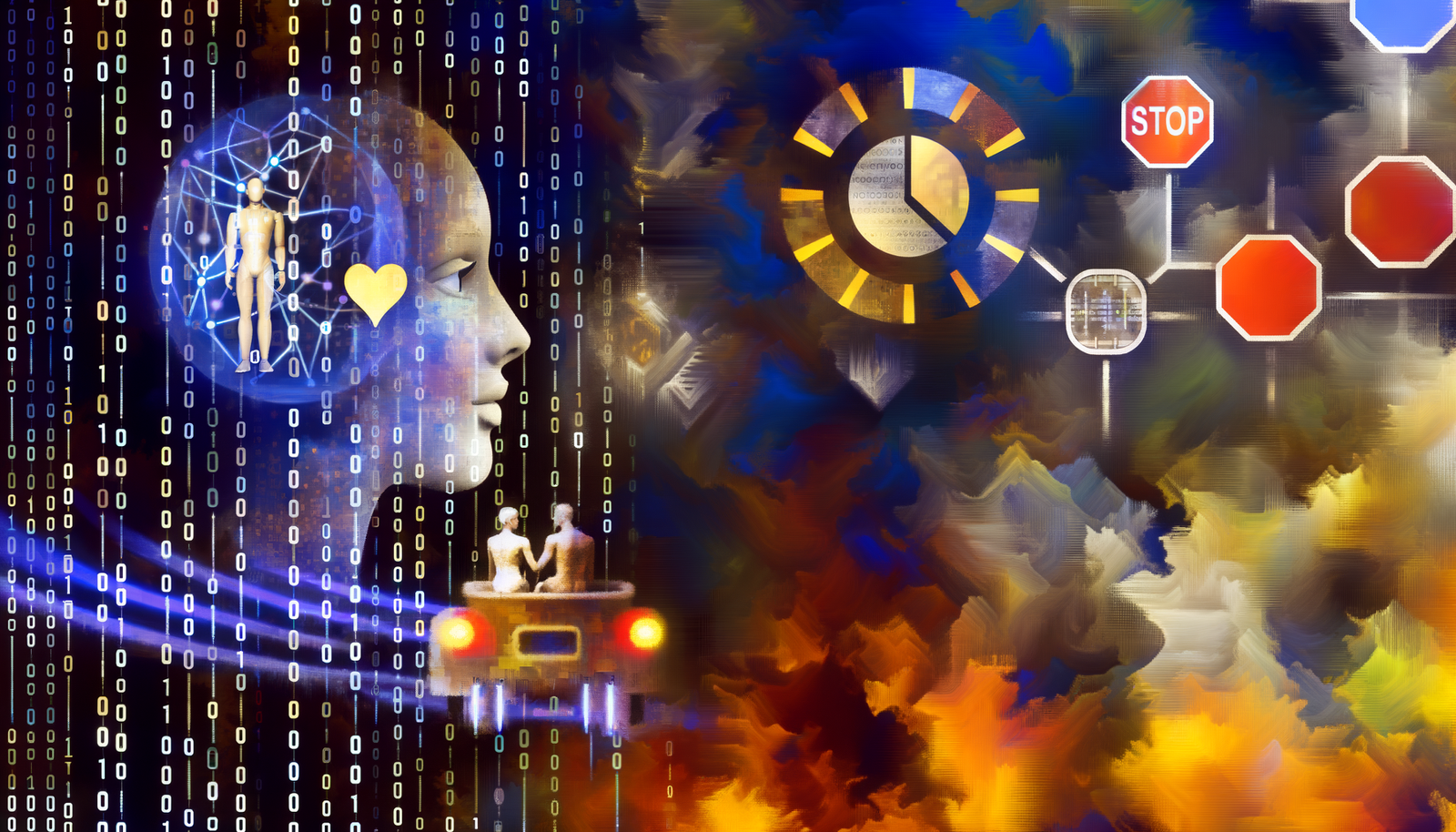
As the landscape of artificial intelligence continues to evolve, ethical considerations surrounding its application have come to the forefront. Recently, OpenAI made the decision to shelve controversial erotic chatbot plans indefinitely, responding to mounting concerns from employees and investors about the impact of sexualized AI content on society. This move highlights the ongoing debate about the implications of such technology, raising questions about morality, societal norms, and the potential consequences for vulnerable users. As we delve into this pressing issue, it’s clear that the balance between innovation and responsibility remains a critical challenge for AI developers.
OpenAI Shelves Controversial Erotic Chatbot Plans Indefinitely
The world is in the grips of an AI revolution, where machines are being groomed to perform a range of tasks that were once the exclusive domain of humans. However, not all advancements ride the wave of enthusiasm; some face backlash and provoke crucial conversations about ethics in technology. One such contentious topic was the development of an erotic chatbot by OpenAI, a project recently placed on indefinite hold, reflecting growing unease about the ramifications of sexualized AI models.
The Background of the Erotic Chatbot
The introduction of an erotic chatbot raised eyebrows even before it was officially announced. When the idea first emerged, it sparked various debates among technologists, ethicists, and the general public. The proposal aimed to create a chatbot designed to engage users in intimate conversations—its potential applications straying into the realm of adult entertainment, companionship, or even therapeutic conversations.
At its core, the intent behind the project seemed borne from the desire to explore how AI could enhance personal interactions. However, as discussions unfolded, many began to express concern over the nature of such interactions. Could this contribute to isolation or objectification? Was it ethically sound to deploy technology in ways that could affect the dynamics of human relationships?
Footing the Ethical Dilemma
These questions held great weight as several stakeholders raised their voices. Employees at OpenAI reportedly expressed discomfort with the proposed project, stating that a sexualized chatbot could lead to unintended consequences. Investors, too, voiced their hesitance, communicating doubts about how such a product might affect OpenAI’s reputation and future business prospects. The stakes were high, seen not only through the prism of profitability but also through one of social responsibility.
Amidst these growing worries, OpenAI took a step back, shelving its plans for an erotic chatbot. Some may think this is simply a sign of caution; others see it as evidence of an ongoing struggle to balance innovation with ethical accountability—a puzzle that has no straightforward solution.
The Broader Conversations on AI Ethics
The decision to pause the erotic chatbot project has thrust OpenAI into the forefront of a broader discourse about the ethics of artificial intelligence. This conversation is no longer a niche interest; instead, it’s a dialogue that encompasses society at large as we ask ourselves how technology should integrate with human lives ethically and responsibly.
- Personal Integrity: Will people feel comfortable engaging with AI that delves into personal or intimate topics?
- Loneliness or Companionship: What happens when users start substituting human connection with digital interactions?
- Privacy Concerns: Will personal conversations be stored, used, or sold in ways that users never fully understand?
- Vulnerable Users: Could this technology prey on individuals looking for solace in their loneliness?
These pressing issues do not only apply to erotic chatbots but extend to various sectors within the AI sphere. With advancements in AI rapidly changing the fabric of our lives, every innovation must be scrutinized with a focus on its lasting implications.
Is There a Silver Lining?
While the shelving of the erotic chatbot may have disappointed some creatives and developers eager to explore the idea, it leaves room for reflection and improvement. This pause can serve as a launching pad to think critically about how we want to approach such intimate realms of technology in the future:
- Responsible Design: Future projects could benefit from establishing clear ethical guidelines and frameworks.
- Inclusive Discussions: Engaging diverse voices during the development stages—particularly those from marginalized communities—can reduce bias and foster inclusivity.
- User Safety: Ensuring that the user experience prioritizes mental health and well-being must be an ongoing theme for designers and developers.
The Way Forward: Navigating Innovation Responsibly
Ultimately, the challenge remains: How can developers innovate responsibly in a landscape punctuated by rapid technological growth? OpenAI’s choice to pause its erotic chatbot project speaks volumes about the emerging consciousness within the tech industry. It suggests an acknowledgment that with great power comes great responsibility—not merely in terms of creating advanced technologies but also ensuring they align with societal values.
As AI continues to evolve, the path forward must tread carefully between innovation and its ethical implications. Researchers, developers, and businesses alike must embrace an ethos of responsibility, ensuring that technology enhances human experiences while safeguarding against potential dangers. This blend of moral consideration with cutting-edge technology will determine the legacy of AI in the years to come.
Broader Social Impact
A step like this one from OpenAI, while spotlighting their initiative, also uncovers an unnervingly relatable truth—our perceptions of technology shape the society in which we live. It is a reminder that every piece of code, every algorithm creates ripples across humanity. Hence, it becomes imperative to reflect on how innovations can serve a purpose beyond the intended.
Few may deny the allure of an erotic chatbot; the fantasy of a personalized companion that knows your whims and fancies can be enticing. Yet, it becomes vital to recognize the subtleties of such creations: that they do not descend into something harmful. What OpenAI’s recent decision highlights is this intricate dance between desirability and the moral high ground—a balance that must not be neglected.
Conclusion: Reflecting on Technological Responsibility
OpenAI’s indefinite pause on its erotic chatbot initiative opens a crucial chapter in the ongoing exploration of AI ethics. The move serves as a reflection of the tech community’s growing awareness of the need for responsibility in innovation. As developers wrestle with the consequences of their creations, they must consistently prioritize the impact of their advancements on society as a whole.
In the end, the only route forward involves a synergy between groundbreaking innovation and an unwavering ethical compass. As we navigate these uncharted waters of artificial intelligence, it remains our collective calling to ensure that the future of technology aligns with the best interests of humanity. With time, the tech community can build not just options for convenience, but also for connection without compromising integrity or morality.
This endeavor is not merely the responsibility of one company or group; rather, it is a shared duty among engineers, thinkers, and users alike. Accompanying these discussions, platforms such as Neyrotex.com can aid in enlightening users on the implications of AI innovations. As we march bravely toward the future, let us embrace the challenge of ethical AI together.