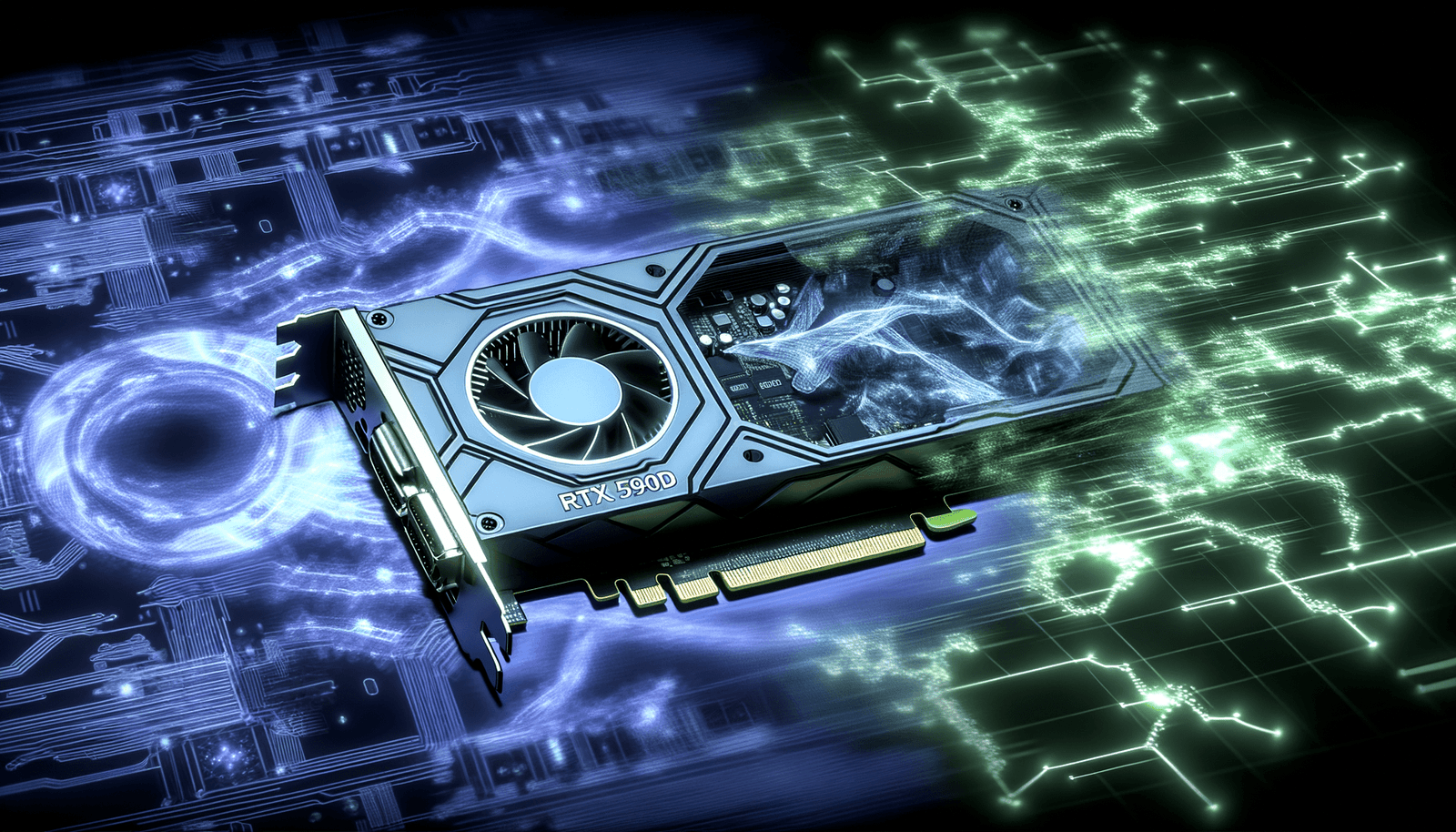
Nvidia’s RTX 5090D: China’s AI Performance Takeover Cut!
Nvidia’s RTX 5090D: China’s AI Performance Takeover Cut! highlights the intriguing development of a chip designed exclusively for the Chinese market. This variant boasts an impressive 2,375 AI TOPS, though it falls short of the 3,352 AI TOPS found in the globally released RTX 5090. Despite US export regulations limiting high-powered chip sales to China, reports indicate that some of Nvidia’s advanced chips have still infiltrated the country. As we delve deeper into this topic, we’ll explore the implications of these chips on AI advancements in China and the ongoing tensions surrounding technology exports.
The Rise of AI in China
As the world basks in the glory of artificial intelligence breakthroughs, China steadily solidifies its reputation as a formidable player in the global AI landscape. The country’s strategy focuses on embracing cutting-edge technologies, fueling its ambitions to lead in AI development and application. This move isn’t simply about having the latest tools; it’s a calculated effort to achieve self-sufficiency and enhance its technological prowess.
Nvidia’s entry into this arena, particularly with the RTX 5090D, marks a pivotal moment. This chip’s specialized design, while limiting its full potential compared to its global counterpart, reflects China’s broader ambitions. The RTX 5090D’s AI TOPS may not match the RTX 5090, yet it represents a crucial step toward nurturing local AI capabilities.
What Makes the RTX 5090D Stand Out?
The RTX 5090D has quickly captured attention for several key reasons:
- AI TOPS Performance: With 2,375 AI TOPS, it’s no slouch in the performance department. While it pales in comparison to the RTX 5090’s 3,352 TOPS, it provides a reliable performance boost for many local applications.
- Tailored for Local Needs: Designed specifically for the Chinese market, this chip meets regional demands and regulatory requirements, focusing on applications that align with China’s technological goals.
- Bypassing Export Restrictions: The chip emerges amidst a backdrop of tough export controls from the U.S., showcasing a creative workaround to still access high-performance computing resource.
The Implications of US Export Regulations
The ongoing geopolitical tensions between the U.S. and China inevitably play a significant role in shaping the tech landscape. U.S. export regulations, particularly those limiting access to high-powered chips like the RTX 5090, aim to curb China’s technological advancement, particularly in AI and military applications. However, with the RTX 5090D, China demonstrates its resilience and determination to cultivate its domain amidst these restrictions.
Despite the limitations these export controls impose, the Chinese tech industry remains steadfast in its pursuit of progress. Reporting suggests that advanced Nvidia chips have still seeped into the country through various channels, illustrating the complexities of technology usage and innovation. The cat-and-mouse game is real—often mirroring an elaborate chess match between two major powers trying to outmaneuver each other on the global stage.
AI Applications in China: What Lies Ahead?
The emergence of the RTX 5090D strengthens China’s capacity for AI development across various sectors. Industry experts predict that this chip will enable advancements in fields such as:
- Healthcare: AI-driven diagnostics and personalized medicine stand to benefit immensely, enhancing patient care through more accurate predictions and faster analyses.
- Smart Cities: Utilizing AI to analyze vast amounts of data can facilitate efficient city management, ultimately leading to improved urban environments.
- Finance: With vast troves of data at their disposal, financial institutions can leverage AI for fraud detection and algorithmic trading, thus gaining an edge over the competition.
- Manufacturing: AI can optimize production processes through improved demand forecasting and supply chain management, driving down costs and enhancing productivity.
Why Nvidia’s RTX 5090D Matters
The introduction of the RTX 5090D into the Chinese market signifies more than just another graphics card; it’s a strategic maneuver that emphasizes the importance of AI in the global economy. As China forges ahead with its ambitions fueled by this new technology, the competition is bound to escalate, not only between the U.S. and China but also within the larger context of global tech giants vying for dominance.
With its accessible pricing and focused capabilities, the RTX 5090D could appeal to a diverse range of industries. The performance cut may cause disappointment for some enthusiasts; however, companies looking to harness AI can find the value in its specialized design. As businesses recognize the benefits of adopting AI, the RTX 5090D could become a popular choice for those looking to innovate in a constrained environment.
Resistance and Change: An Inevitable Journey
The advent of the RTX 5090D may stir up a mixture of enthusiasm and skepticism among industry experts and tech enthusiasts worldwide. Some worry that reduced performance could hinder innovation, yet history has shown us that necessity is the mother of invention. As local players develop new software and applications designed specifically for this hardware, the potential for inventive solutions emerges.
Moreover, the ongoing tug-of-war over technology exports underscores the need for global cooperation in the face of emerging challenges. As regulations tighten, new markets will inevitably require innovative solutions that consider geopolitical realities. This could lead to changes in how companies approach research and development, with an emphasis on creating adaptable and localized technologies.
The Broader Landscape of Technology Exports
As the tech world stands at the intersection of innovation and regulation, the presence of the RTX 5090D reminds us that barriers often breed creativity. With the continued evolution of AI and its extensive applications across various industries, it’s clear that adaptability will remain paramount.
Companies will need to consider not only compliance with regulations but also the cultural and technological demands of local markets. In doing so, they can leverage opportunities emerging from limitations—creating unique solutions that resonate more profoundly with local users.
Conclusion: The Path Forward
The release of Nvidia’s RTX 5090D is symbolic of China’s determination to assert its presence on the global AI stage. While the chip may not unleash the full potential of advanced performance demanded by high-end developers, it signifies a monumental step toward equipping domestic industries with the necessary tools to establish their foothold.
As economic competition intensifies amid global regulatory frameworks, the imperative for innovation in AI remains at the forefront. Ultimately, the RTX 5090D represents a crucial stepping stone not just for China but for the global tech landscape, as nations scramble to adapt and thrive in this rapidly evolving environment.
Whether the world will witness a harmonious evolution or a fierce technological rivalry remains to be seen. In the meantime, as technological advances continue to shape our future, embracing opportunities, fostering creativity, and nurturing local expertise will be essential in harnessing the power of AI. For more insights and inspirations on AI technology and market developments, feel free to explore Neyrotex.com.