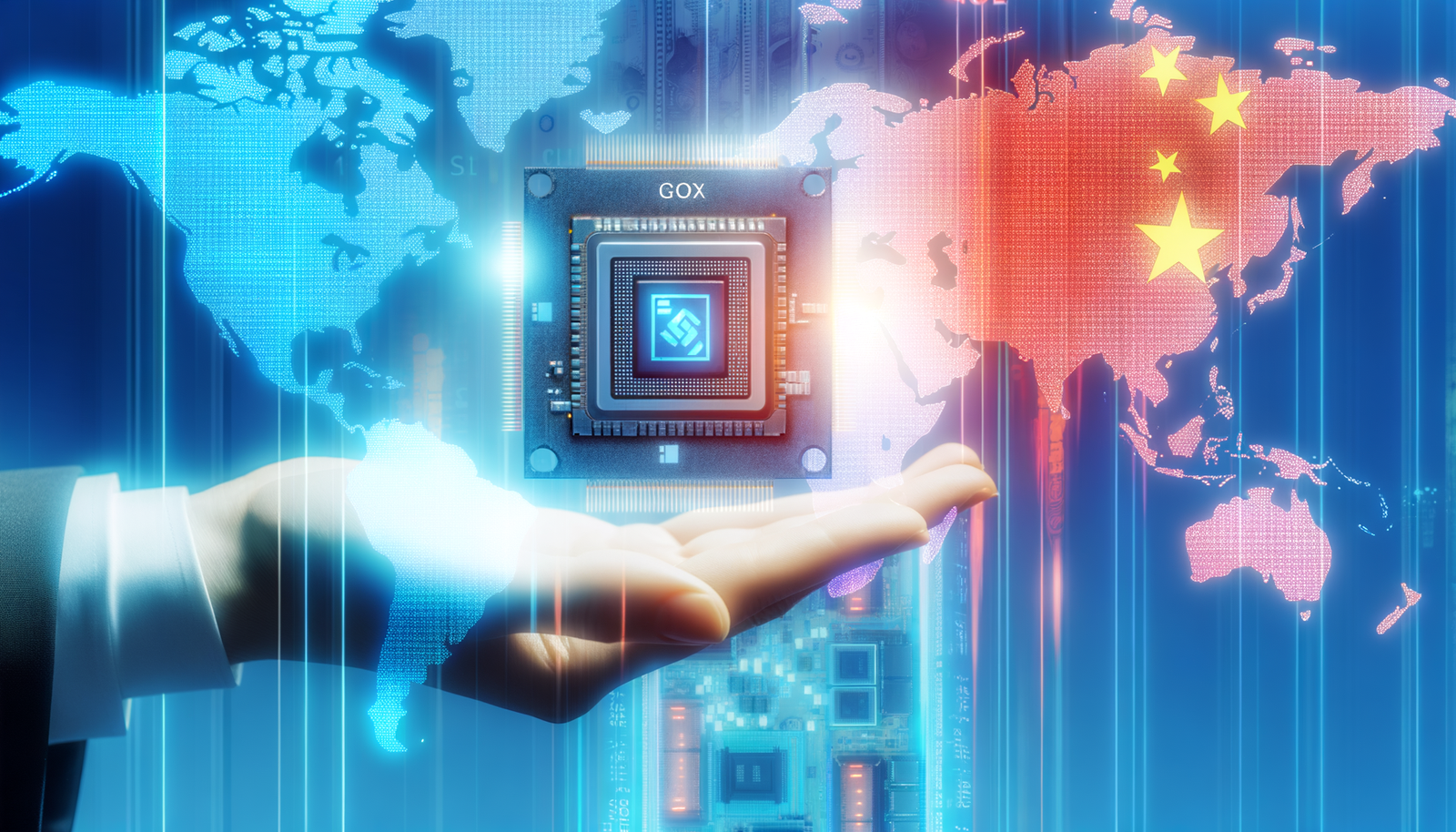
In a significant turn of events, Nvidia faces a staggering $5.5 billion loss as the U.S. government intensifies its crackdown on AI chip exports. The company’s shares took a nosedive following the announcement that their H20 chip, initially designed for the Chinese market, will now require a special license to comply with new regulations. This development raises questions about the future of AI technology and the intricate balance between innovation and national security. As Nvidia navigates these challenging waters, the implications for the tech industry could be vast and far-reaching.
Nvidia Faces $5.5B Loss as US Cracks Down on AI Chip Exports
The landscape of artificial intelligence (AI) and its associated technologies has adopted a rapid pace, with Nvidia at the forefront, helping to fuel the fire of AI’s transformative power. However, emerging geopolitical tensions have resulted in significant challenges for the tech giant, leading to the United States’ recent restrictions on AI chip exports to China. The implications here are not just a corporate hiccup; they’re an alarm bell for the entire tech ecosystem.
The New Export Regulations
The U.S. government has rolled out stringent regulations concerning the export of specific AI chips, largely fueled by national security concerns regarding China’s growing technological prowess. As countries vie for supremacy in AI development, the U.S. has opted to tighten its grip on tech exports, particularly in areas deemed crucial for national defense. Nvidia’s H20 chip, designed specifically for Chinese-based enterprises, now requires a special license. This unprecedented move reflects a harsh landscape where ambitions for global AI leadership collide with the realities of regulatory scrutiny.
The Impact on Nvidia
Following the U.S. announcement, Nvidia’s shares plummeted, underscoring investor unease about the long-term implications of such regulatory actions. A $5.5 billion hit is not just a number; it’s a signal that the battle for AI supremacy has intensified, and corporate behemoths like Nvidia must adapt quickly to survive the fallout.
This colossal financial loss begs the question—what does this mean for Nvidia? Historically, the company has been a titan in the AI space, dominating the market with its advanced chips used for machine learning, data centers, and gaming. With a $5.5 billion loss looming, Nvidia may be prompted to pivot its business strategies or risk losing its footing in the fiercely competitive AI landscape.
What Does This Mean for Innovation?
The unfortunate reality is that while these regulatory measures are aimed at protecting national security, they create a challenging environment for innovation. As companies like Nvidia face restrictions, they may curtail their investments in research and development, hesitant to pour resources into products that could be rendered illegal overnight. This ripple effect could slow the pace of innovation not just for Nvidia but for other tech firms as well.
The Broader Implications for the Tech Industry
As Nvidia faces a $5.5 billion loss amid new export rules, we must take a step back and look at the wider tech ecosystem. The actions of the U.S. government have ramifications that stretch beyond Nvidia’s balance sheet; they could alter how international collaborations function in tech. Here are a few key points to consider:
- Supply Chain Disruption: Companies that rely on U.S. tech supplies may face interruptions, bringing the intricate geopolitics of technology supply chains into sharp focus.
- Increased Costs: Navigating complex regulations could drive up costs for tech firms, which may then pass these costs onto consumers.
- Impact on Startups: Emerging companies often thrive on disruptive technologies that rely on established giants; constraining these giants may have a disproportionate effect on the innovation pipeline.
- Global Leadership: Other countries may seize this opportunity to advance their own tech sectors, potentially leading to a shift in global leadership in AI.
While the U.S. government’s crackdown on AI chip exports is designed with the intention of preserving national interests, the unintended consequence is a disruption of potential advancements that could benefit global society.
Reactions from Industry Leaders
Industry leaders have expressed mixed sentiments regarding these new restrictions. Some view it as a necessary safeguard, while others insist it sets a worrisome precedent that could stifle innovation across borders. Nvidia’s CEO Jensen Huang has voiced his concerns, stating, “We are prepared to work with regulators while advocating for a balanced approach that promotes both security and an open marketplace.” This articulation represents a balancing act that several tech companies must now navigate in light of the changing political landscape.
Future Considerations
In the wake of these developments, one can’t help but ponder the trajectory of AI and its adoption. With companies like Nvidia caught in the crosshairs of geopolitical tensions, will we see a slowdown in AI advancements? Or will a new wave of innovation emerge, responding to the challenges of today’s political climate? Only time will tell, but for now, the tech community remains vigilant and ready to adapt.
Conclusion
The unfolding situation with Nvidia encapsulates the complex interplay between technological innovation and geopolitical strategies. Facing a $5.5 billion loss due to new U.S. restrictions on AI chip exports underscores the fragility of the tech industry amidst national security concerns. As AI continues to evolve, it is crucial for industry players and regulators to recognize that collaboration and innovation should remain at the forefront of technological advancements. The challenge lies in fostering a landscape where innovation can thrive without compromising national interests, thus creating a balanced approach that works for everyone involved.
In a world increasingly defined by digital innovation, we can only hope that the urgency for effective regulation complements rather than constrains the creativity that powers our tech dreams. The stakes are high, and the implications are profound, ultimately determining how the future of AI and technology will play out on the global stage.
For readers wanting to dive deeper into the world of AI and its advancements, check out Neyrotex.com for the latest updates and insights.