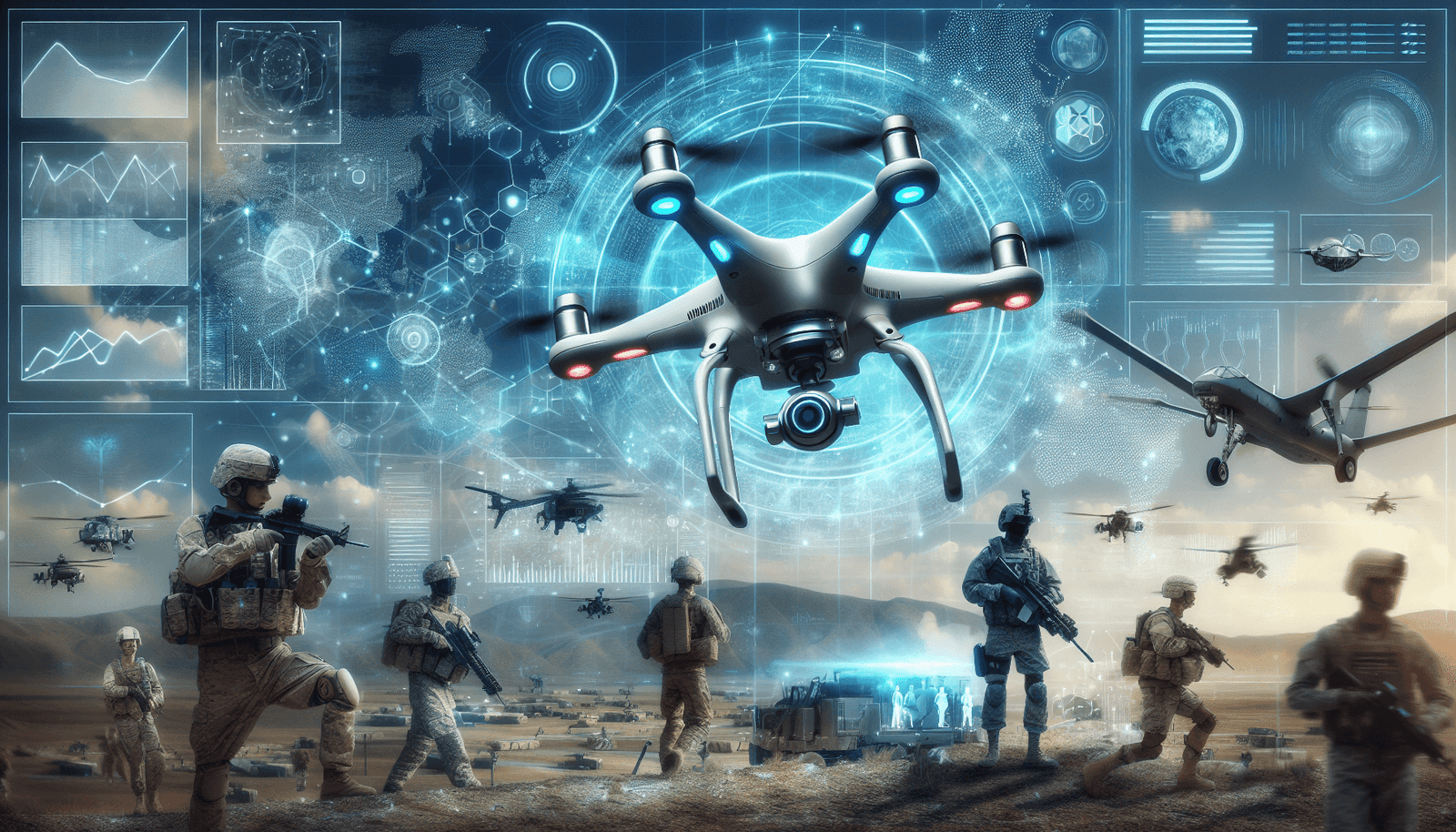
Military AI Market Expected to Hit USD 71.40 Billion by 2030
The global military landscape is undergoing a significant transformation with the integration of artificial intelligence (AI) technologies. As highlighted in recent reports, the AI in military market is projected to reach a staggering USD figure by 2030. This growth reflects the increasing reliance on advanced analytics, autonomous systems, and machine learning to enhance operational efficiency and decision-making in defense strategies. From intelligence gathering to combat operations, AI is set to redefine how military forces around the world prepare for and respond to emerging threats.
The Rise of Artificial Intelligence in Defense
Artificial Intelligence is no longer just a futuristic concept confined to science fiction movies; it’s a formidable force reshaping military paradigms. With advancements in machine learning and data processing capabilities, defense agencies globally are investing heavily in AI technologies to gain strategic advantages. The military AI market promises not only to revolutionize traditional operations but to cultivate a new era of warfare that combines human intelligence with machine efficiency.
Key Drivers of Growth
- Increased Investment: Military budgets around the world are allocating significant funds towards AI technologies. Nations recognize the necessity of keeping pace with technological advancements, especially to counter potential threats.
- Need for Enhanced Decision-Making: The ability to analyze vast amounts of data in real-time ensures swift decision-making—a crucial factor in today’s fast-paced military scenarios.
- Automated Systems: The development of drones, autonomous vehicles, and robotic soldiers is transforming how wars are fought, moving from human soldiers into next-gen robotics and AI.
- Cybersecurity Challenges: As cyber warfare expands, military entities require AI solutions to bolster their defenses and conduct offensive measures against adversaries.
Areas of Application
The application of AI in military operations is extensive, with several key areas emerging as predominant fields of transformation:
- Intelligence Gathering: AI-driven technologies can analyze intelligence data at unprecedented speeds, providing insights into enemy movements, capabilities, and intentions.
- Surveillance: Advanced algorithms enhance target detection and tracking, allowing for more effective surveillance operations with less human intervention.
- Combat Operations: The integration of AI systems enables smart weaponry that can autonomously identify and engage targets while minimizing collateral damage.
- Logistics and Supply Chain Management: AI tools optimize supply routes and stock levels, ensuring military operations run smoothly even in unpredictable environments.
- Training and Simulations: AI-powered simulation platforms enable realistic training scenarios, preparing troops for complex battlefield conditions they might encounter.
Regional Highlights
As the military AI market flourishes, specific regions are stepping up to stake their claims in this technological revolution. Here’s a breakdown of key players:
- North America: This region tops the chart, largely due to the extensive funding from the U.S. Department of Defense toward AI research and development. With tech giants like Microsoft and Amazon entering the fray, an ecosystem fostering innovation is developing.
- Europe: With initiatives like the European Defence Fund, many NATO countries are investing in AI for military use, focusing on collaborative projects that enhance collective defense capabilities.
- Asia-Pacific: Nations such as China and India are rapidly advancing their military AI capabilities, setting the stage for a competitive race in autonomous systems and surveillance technology.
Challenges and Ethical Considerations
While the advantages of AI are plentiful, the burgeoning military AI landscape is not without its challenges. Ethical considerations surrounding autonomous weapon systems raise significant debates on accountability and moral implications:
- Autonomy vs. Human Control: Should machines have the power to make life-and-death decisions? The debate is ongoing and crucial in defining how AI will shape future warfare.
- Data Privacy: The integration of AI in military operations necessitates vast amounts of data collection, which raises concerns about privacy and security.
- Potential for Malfunction: An overreliance on AI systems poses risks, including technological failures that could lead to unintended consequences in combat scenarios.
Future Prospects
As we gaze into the crystal ball, the future of AI in the military seems not only bright but transformative. According to forecasts, the military AI market could soar to USD 71.40 billion by 2030. This anticipated expansion is fueled by:
- Innovative Startups: New companies specializing in military-grade AI technologies are emerging, driving competition and leading to rapid innovations.
- Collaborations: Increased partnerships between military and technology sectors are fostering advancements that were previously unimaginable.
- Public Awareness: As society becomes more informed about AI capabilities, governments face rising public pressure to ensure ethical usage while maintaining national security.
Staying Ahead in the Game
For military agencies looking to stay ahead, embracing AI isn’t just an option—it’s a necessity. The potential for improved operations, enhanced intelligence, and strategic advantages is monumental. However, the key lies in balancing technological advancements with ethical considerations and rigorous regulatory frameworks to safeguard against misuse.
Adapting to these advancements will also hinge on comprehensive training programs that not only focus on technological proficiency but also encompass ethical instruction. Incorporating AI literacy into military training ensures that personnel understand how to wield this powerful tool effectively and responsibly.
Don’t miss out on further insights—be sure to explore the wide array of resources available at Neyrotex.com, where the latest innovations in military AI are discussed in detail.
Conclusion
As we stand on the brink of a new chapter in military strategy, it’s undeniable that AI will play a central role in shaping the future of defense. The projected growth of the military AI market to USD 71.40 billion by 2030 serves as a clarion call for nations to invest, innovate, and prepare for an era of artificial intelligence that could redefine warfare as we know it.
Ultimately, the success of this transformation will depend not just on technological advancements, but also on our collective commitment to use AI responsibly and ethically. As we engage in this technological renaissance, let’s ensure that we pave a path of progress that upholds human dignity and safety at its core. Interested in learning more? Click here to explore additional insights and understandings about the military AI landscape—visit Neyrotex.com today!