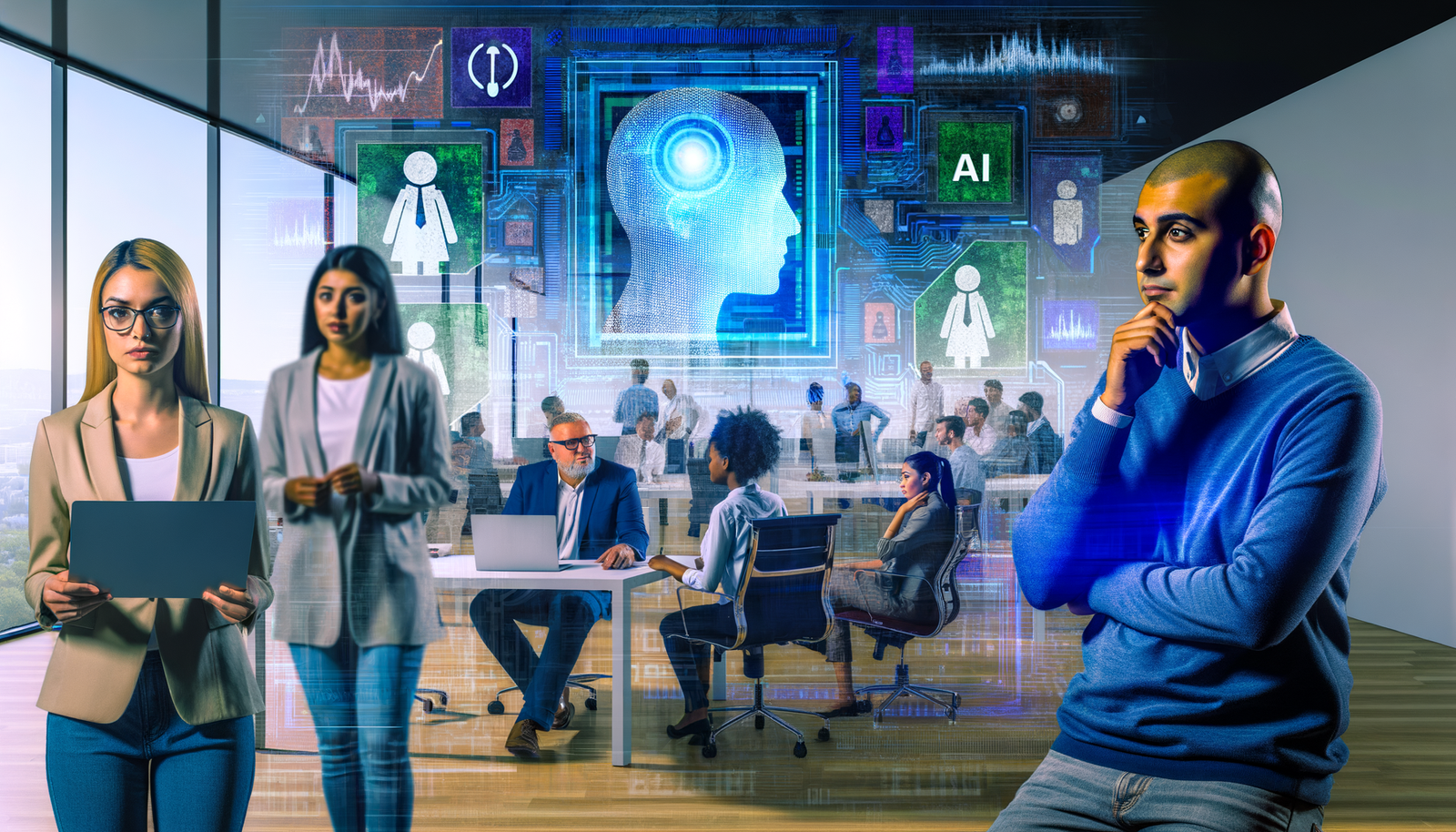
In a stunning move, Microsoft is set to eliminate up to 9,000 positions, reflecting a 4% reduction in its workforce as part of a strategic shift towards artificial intelligence. This announcement, dubbed “Microsoft Shocks with 9,000 Layoffs in AI Shift!” has sent ripples across various divisions, including Xbox, as the tech giant re-evaluates its priorities in a rapidly evolving industry. The decision underscores the fierce competition in the AI sector and Microsoft’s commitment to remain at the forefront. As the company navigates this turbulent landscape, the implications for employees and stakeholders are profound.
Microsoft’s Bold Decision: Embracing AI at the Cost of Human Capital
At a time when technological advancements dictate the future of work, Microsoft has boldly decided to pivot toward artificial intelligence, leaving thousands of employees in the lurch. The announcement to lay off 9,000 workers comes as part of an expansive strategy to reallocate resources toward AI development, signaling the tech giant’s effort to streamline its operations and meet the growing demand for intelligent solutions. This strategic pivot is more than just a straightforward workforce reduction; it’s a move to adapt and thrive in a competitive market that is increasingly shaped by artificial intelligence.
Understanding the AI Landscape
Artificial intelligence is no longer just a buzzword; it has emerged as a vital component of modern technology. From personalized customer experiences to advanced data analytics, AI is transforming industries at lightning speed. Companies that fail to adopt AI technology risk obsolescence, making it essential for industry leaders like Microsoft to realign their priorities. This shift reflects a broader trend across the tech sector as firms chase the AI revolution, often at the expense of traditional business structures. Microsoft’s decision indicates an urgent need to integrate exclusive AI capabilities across its services and products to leverage this powerful technology.
Who’s Directly Affected?
The layoffs are impacting several divisions, most notably Xbox and other key product teams. Employees who have been part of Microsoft’s influential culture for years are now facing the abrupt end of their tenures. The emotional and psychological toll of job loss during an era of rapid technological change cannot be understated. These reductions might strategically position Microsoft as an AI leader, but for those affected, it represents a heartbreaking personal narrative of sudden unemployment.
The Ripple Effects
While the layoffs directly affect thousands of employees, the consequences extend well beyond Microsoft’s walls. Suppliers, vendors, and partners, many of whom rely on Microsoft for their business, may face financial instability as a result of this decision. Furthermore, the lack of job security within the tech industry could lead to a ripple effect, causing related companies to reconsider their workforce strategies. In a highly interconnected industry, Microsoft’s decisions serve as a bellwether for other companies, igniting potential waves of layoffs and restructuring across the tech ecosystem.
AI Versus Human Labor: A Tough Balancing Act
The fundamental question arises: can artificial intelligence truly replace human labor? While AI may optimize processes and drive efficiencies, it often lacks the nuance and creativity that humans bring to the table. This layoff decision brings to the forefront the ethical considerations of job displacement in favor of technology. Many critics argue that companies should focus on training and sustainability rather than quick layoffs, emphasizing the importance of investing in human talent. As Microsoft takes this leap into an AI-centric future, the call for a balanced approach to technology adoption becomes increasingly vital.
Investing in Innovation
Despite the stark realities of large-scale job cuts, Microsoft’s strategy presents an opportunity for the company to double down on innovation. By reallocating its resources and human capital, the tech giant aims to bolster its AI initiatives, opening new doors in the rapidly changing landscape of technology. This investment in future innovations highlights a commitment to staying ahead of competitors, attracting top-tier talent, and embarking on new initiatives that harness the full potential of AI.
The Future of Microsoft and AI
What lies ahead for Microsoft? As the company envisions a more AI-driven future, questions about its product development and service strategy linger in the minds of stakeholders. With the ongoing investment in AI technologies, potential applications range from natural language processing to sophisticated predictive analytics, propelling Microsoft to a position of industry leadership. It is critical for the company to communicate a clear vision of how AI will transform its offerings, ensuring that employees understand the direction—not just the reductions—of its workforce. Fostering a culture of innovation will be crucial to reassuring remaining employees of their value and importance.
Communicating Changes Effectively
Transparency will be an essential element in Microsoft’s journey ahead. The tech giant must be frank with its remaining employees, clarifying the decision-making process behind these layoffs and the future offerings centered around artificial intelligence. Clear communication can alleviate fears and foster a sense of shared purpose in what could otherwise be a chaotic and fear-driven atmosphere.
Societal Implications of AI Implementation
Beyond the corporate walls, the implications of Microsoft’s shift toward AI pose significant societal challenges. As automation and intelligent systems advance, concerns over job security and employment erosion grow. Economic analysts worry about potential job loss leading to increased unemployment and societal disparities. This shift is not merely an internal corporate policy; it harbors broader implications for the workforce at large, calling for national conversations around workforce transition, skill development, and societal support systems.
Strategies for Employees: Navigating the Transition
For those affected by the layoffs, a proactive approach can make all the difference. Here are a few strategies that can help current and former Microsoft employees navigate this transition:
- Networking: Engaging with former colleagues and industry contacts can lead to new job opportunities and valuable connections.
- Upskilling: Acquiring new skills in AI and related fields can enhance employability in a technology-focused marketplace.
- Career Counseling: Seeking professional advice on resume writing, interview preparation, and personal branding can be immensely beneficial.
- Embracing Change: Viewing this period as an opportunity for growth and transformation rather than an insurmountable challenge can foster resilience.
Conclusion: Looking to the Horizon
As Microsoft embarks on this monumental shift towards artificial intelligence, the pain of loss will undoubtedly linger for those who are laid off. However, this decision may ultimately prove to be a beneficial recalibration for the company itself in a competitive landscape hungry for innovation. In prioritizing AI, Microsoft aims to solidify its position and ensure long-term sustainability, underscoring a greater lesson—adaptation is key in the ever-evolving technological realm.
The journey ahead for Microsoft will be one of complex challenges and opportunities, and only time will tell how this strategic pivot will play out. Through its commitment to AI, Microsoft is not simply reshaping its workforce but sculpting the future of technology as we know it. For those left standing in the wake of these layoffs, the horizon appears daunting, yet filled with potential for those willing to navigate the ever-shifting sands of the tech landscape.
In this rapidly changing environment, organizations must also take note of Microsoft’s focus on innovation and AI. It’s a call to action—a reminder that staying relevant in today’s tech world means being ready to evolve. For more insights on this transition towards AI and technological advancement, visit Neyrotex.com.