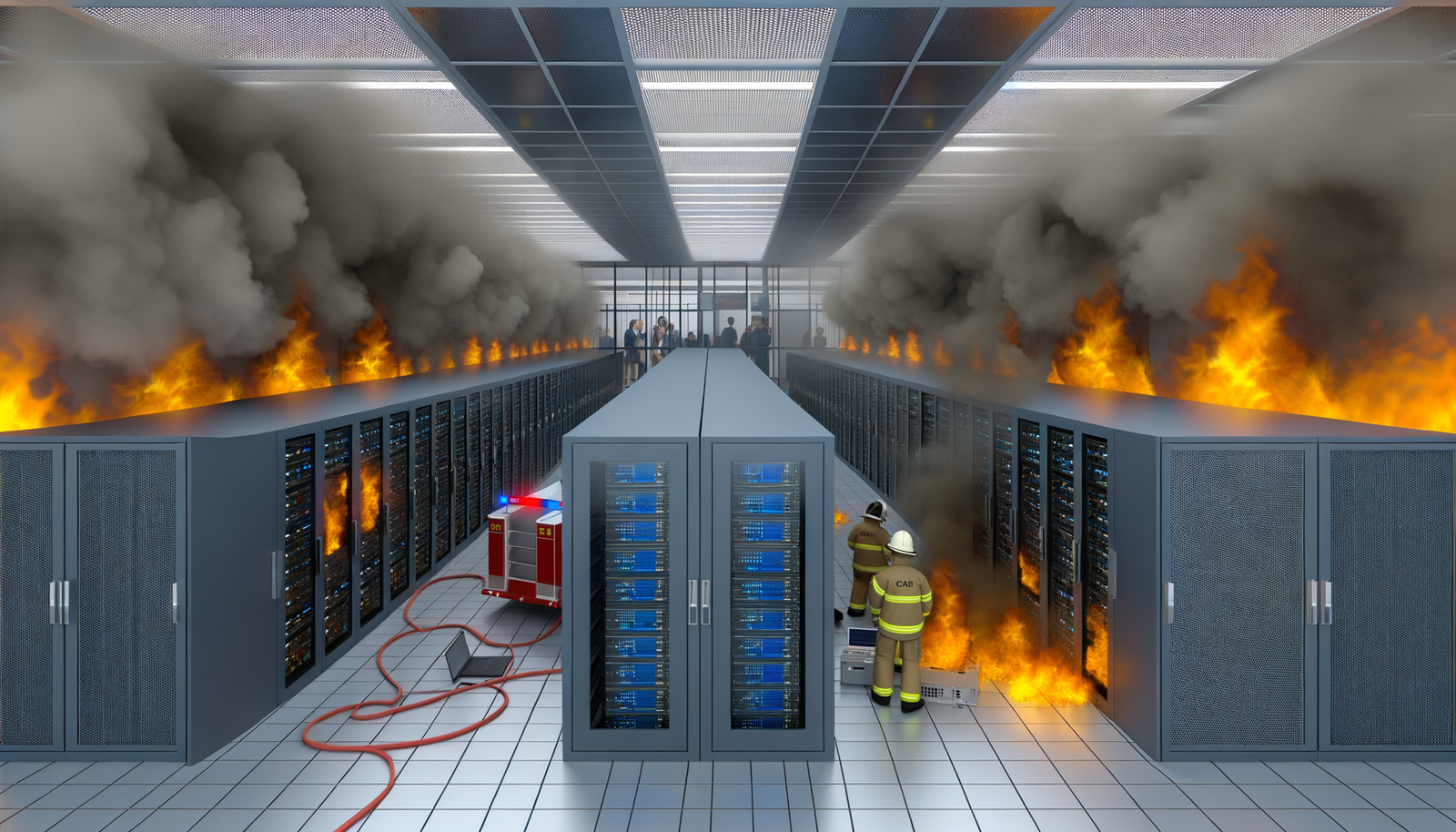
In the ever-evolving digital landscape, outages and disruptions can happen unexpectedly, and recent events have highlighted this reality. Just this week, a massive data center fire has crippled X, raising concerns among users and industry experts alike. With the immediate impact still being assessed, it’s important to know what you need to know! Is this incident related to ongoing operations? The image above captures the urgency surrounding this incident, which may have far-reaching implications for connectivity and data services. As we delve deeper into the ramifications, understanding the full scope becomes essential. Stay tuned for updates!
What Happened?
On a seemingly ordinary day, the digital world was rocked by a major data center fire that ignited at X’s facility. This unexpected disaster has disrupted not just internal systems but has also sent shockwaves through the community of users reliant on X’s services. The fire, which reportedly began during a routine maintenance check, quickly escalated, illustrating just how unpredictable our digital infrastructures can be. In the age of technology, we often take these systems for granted, and moments like these remind us of their fragility.
Understanding the Impact
So, what does this fire mean for the everyday user? First, let’s break down the immediate effects:
- Service Interruptions: Users have reported widespread outages, with services going down unexpectedly. These interruptions can vary from minor inconveniences to major disruptions, depending on the nature of the services used.
- Data Recovery Challenges: One of the most concerning aspects of any data center fire is the potential loss or corruption of data. Often, businesses store crucial information in data centers, and such incidents can lead to irretrievable losses.
- Customer Trust: When services go down, businesses often face an uphill battle to maintain customer trust. Users tend to remember these disruptions and may switch to competitors if their concerns aren’t swiftly addressed.
- Technical Repercussions: The technical team will likely need to reassess the design and safety protocols surrounding data centers to prevent future incidents. This could lead to a shift in how data centers are managed and operated.
Why Data Centers Matter
Before we get too deep into the nitty-gritty of recovery efforts and technical jargon, it’s essential to understand the central role that data centers play in our daily lives. It’s easy to view them as mere storage facilities, but they are the heart of modern connectivity. A data center can be compared to an extravagant library, where vast amounts of information are organized, stored, and accessed.
Here are some vital points about why these centers are significant:
- Service Infrastructure: Everything from cloud services to social media operates on the backbone of data centers. When one goes out, the ripple effect can be monumental.
- Scalability: Businesses depend on data centers for the scalability they need to grow. They offer flexible resources to adapt to changing demands.
- Data Security: With more and more of our lives transitioning online, data centers are responsible for safeguarding sensitive information, an aspect that becomes even more critical during a crisis.
- Innovation Driver: Advanced technologies such as AI and machine learning depend on the robust infrastructure provided by data centers. Their efficiency influences innovation speed.
Recovery Efforts in Motion
As crews work tirelessly to contain the fire and assess the damage, recovery efforts have already begun. This process tends to be complex, and understanding the key steps can help paint a clearer picture of what’s involved:
- Assessing Damage: First things first, incident response teams are busy establishing the extent of the destruction. This includes evaluating hardware, data integrity, and the physical state of the facility.
- Containment: Firefighters and emergency personnel have been dispatched to ensure that the fire is wholly under control, particularly as flames can spread rapidly through cabling and equipment.
- Data Recovery Plans: Simultaneously, IT experts are working on data recovery plans. Depending on the severity of the damage, some data may be recoverable; but this is often a challenging process that requires robust measures to be effective.
- Communication: Transparency is crucial in crises like this one. X must keep customers informed regarding the timeline for service restoration and any strategies implemented to prevent future incidents.
Where Do We Go From Here?
Rather than leaving consumers in the dark, this ordeal sends a clear message to both users and companies: resilience and preparedness are key in our digitally-driven world. The data center fire at X serves as a poignant reminder of why investing in younger, advanced technologies is essential for every business that relies on data storage and management. With the growing reliance on cloud-based solutions and virtual services, enterprises need to prioritize infrastructure safety measures, including:
- Regular Maintenance: Like any facility, data centers need ongoing inspections and upgrades to maintain operational readiness.
- Advanced Fire Suppression Systems: Investing in fire prevention technologies, such as advanced sprinkler systems, fireproof materials, and smoke sensors can prove invaluable.
- Redundant Systems: Ensuring that data is duplicated and stored in separate locations can make recovery easier in the event of an emergency.
- Comprehensive Training: Training staff on emergency protocols and conduct drills for various scenarios can ease response efforts in a crisis.
Coping with Uncertainty
For all businesses and users affected, uncertainty can weigh heavily, especially when clients and consumers expect services to be consistent and reliable. Managing this uncertainty often requires proactive communication, empathy, and transparent updates. Companies should prioritize keeping their audiences informed through various channels, whether through social media, email notifications, or dedicated customer service lines. Creatively sharing solutions and next steps can both empower and calm users, reassuring them that the organization is fully engaged in addressing the situation.
An Opportunity for Learning
This fire incident is not just a story of disruption; it’s a learning opportunity for data centers across the world. As the dust settles and professionals dive deep into the investigation, it’s essential to pull valuable insights that can shape future strategies. Each challenge faced helps push the industry toward safety, effectiveness, and continuity.
Moreover, these events can serve as catalysts for innovation. Organizations might explore the integration of newer technologies, such as artificial intelligence and machine learning, to predict failures before they occur. By activating predictive maintenance tools, data centers may prevent potential disasters and improve overall resilience in their systems.
The Bigger Picture
This incident reflects a broader shift in how we view technology; it is not just a bubble of code or metal but a dynamic, breathing organism that requires care, attention, and understanding. As an industry, we cannot forget the human factor; the professionals working to ensure safety and continuity need support and recognition. While the repercussions of this massive data center fire at X are still unfolding, the lessons learned can resonate well beyond this single instance.
In essence, as we continue to witness technology’s rapid evolution, we must remain mindful of its foundational elements and the essential safety measures required to sustain it. This understanding not only impacts individual businesses but collectively shapes the technological landscape we all depend upon.
If you have any questions, whether regarding the incident’s immediate impact or long-term implications for technology services, remember to stay engaged and informed. You can also find expert insights and resources at Neyrotex.com, ensuring you’re always a step ahead in an unpredictable digital world.