“`html
Leveraging AI for Personalized Fitness Plans and Goals
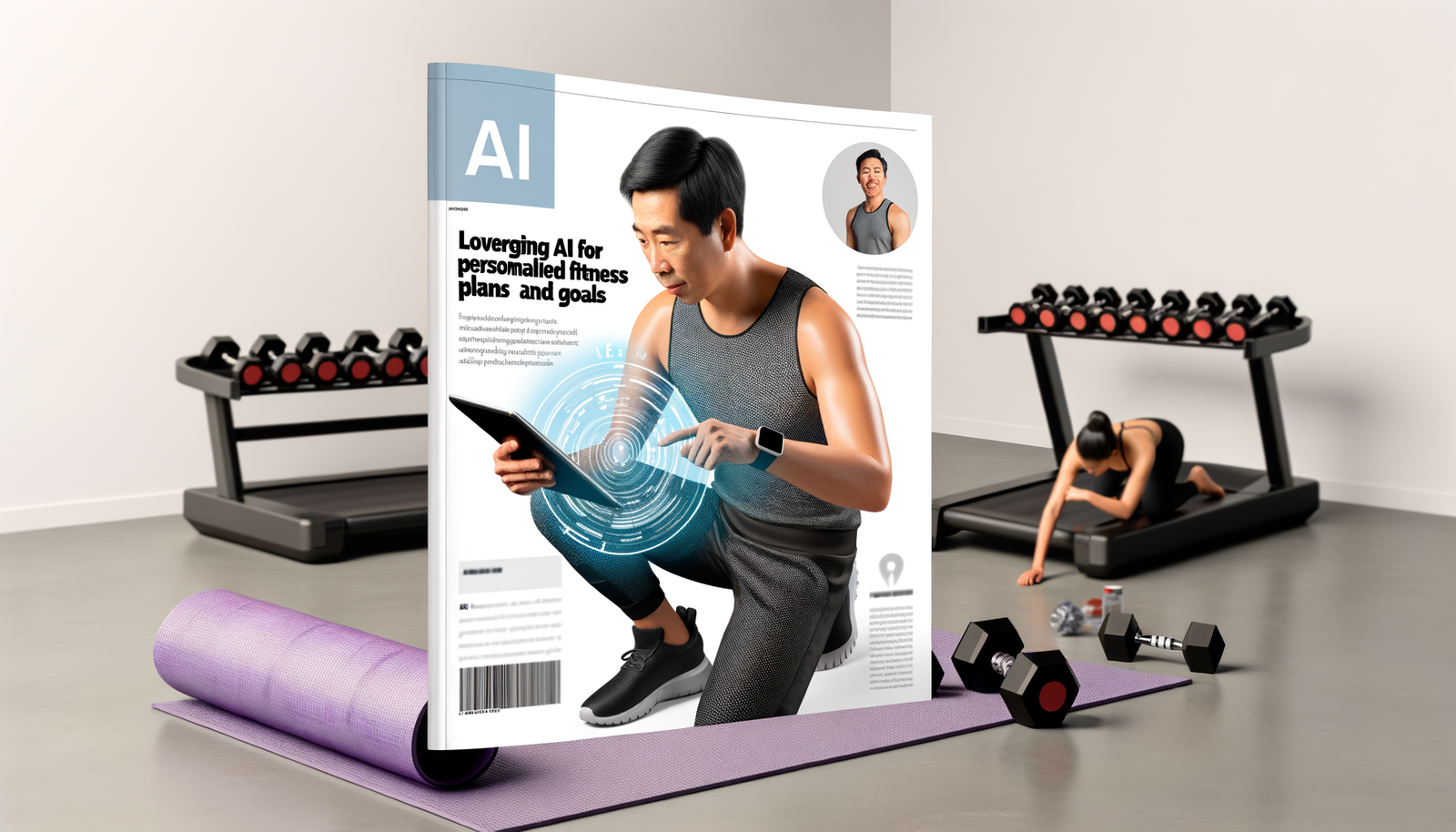
In today’s fast-paced world, achieving your health and fitness goals can often feel overwhelming. However, leveraging AI for personalized fitness plans can revolutionize the way you approach your wellness journey. By utilizing advanced algorithms and data analysis, AI-driven tools can craft tailored fitness programs that suit your unique needs and lifestyles. These smart systems not only help in setting realistic AI goals but also provide effective progress tracking to ensure you stay motivated. Embrace the future of fitness with personalized plans that empower you to reach your goals confidently and efficiently. With constant improvements in technology, AI tools are becoming more intuitive, allowing for continuous adjustments based on your workouts, nutrition intake, and recovery needs, ensuring that your fitness journey is aligned with your evolving lifestyle.
The Power of AI in Fitness
AI has transformed the fitness landscape by offering highly personalized and adaptive plans. Here are some key ways AI is making a significant impact:
Data-Driven Insights
AI fitness apps like Strava and Zing AI Coach use data gathered from wearables, lifestyle habits, and goals to generate actionable insights. Strava, for instance, analyzes raw workout data to optimize performance and celebrate progress, making it more than just a tracker but a performance enhancer.
Personalized Coaching
Apps such as ASENSEI and FitGenie provide real-time feedback and guidance. ASENSEI uses computer vision and motion tracking to ensure accurate form during workouts like rowing, weightlifting, or yoga, while FitGenie adapts nutrition plans based on individual needs, preferences, and daily schedules.
Top AI Fitness Apps Redefining Wellness
Strava
- Scalability for Users: Strava caters to both beginners and seasoned athletes, offering progressively advanced insights as the user’s performance improves.
- Data-Driven Motivation: Strava gamifies fitness by analyzing progress and allowing users to compete against themselves or others.
- All-round Integration: Strava integrates seamlessly with wearables and other applications, providing a holistic view of the fitness journey.
ASENSEI
- Real-Time Feedback and Guidance: ASENSEI observes form accurately and guides users like a skilled personal trainer.
- Personalized Training Programs: The app creates sophisticated tracking and analytics, especially when connected with specific fitness equipment.
- AI-Driven Analytics: ASENSEI analyzes performance in depth, tracking metrics such as stroke rate, speed, and power.
Zing AI Coach
- Advanced AI Coach: Zing AI Coach suggests goals, schedules workouts, and provides real-time form monitoring and feedback.
- Zing Vision: This technology uses the smartphone’s camera to track movements in real-time, improving technique.
- AI Body Scan: Zing’s AI Body Scan analyzes body composition, integrating insights into the fitness plan.
- Hyper-Personalized Plans: Zing creates customized workout plans based on unique body data, fitness background, and lifestyle, dynamically adjusting intensity and complexity.
FitGenie
- Personalized Nutrition Planning: FitGenie tailors nutrition plans to individual needs, adapting to goals, preferences, and daily schedules.
- Dynamic Adjustments: The app recalculates strategies in real-time based on changes in diet or workout regime.
- Behavioral Insights: FitGenie provides insights into behavioral habits, helping users understand their relationship with food.
- Integration with Fitness Goals: The app syncs with fitness activities to ensure meal planning supports performance.
How AI Fitness Apps Work
Data Collection and Analysis
AI fitness apps collect data from various sources such as wearables, smartphones, and user inputs. This data is then analyzed using advanced algorithms to create personalized plans. For example, Zing AI Coach uses the smartphone’s camera to track movements and analyze body composition, while FitGenie uses AI algorithms to tailor nutrition plans based on user data.
Adaptive and Real-Time Feedback
These apps are not static; they adapt to the user’s progress and provide real-time feedback. ASENSEI, for instance, observes form in real-time and guides users to ensure they stay on the right track. Similarly, Zing AI Coach adjusts workout intensity and complexity based on user progress and goals.
Integration with Wearables and Other Apps
AI fitness apps often integrate with wearables and other health and fitness applications. Strava integrates with smartwatches and heart rate monitors, while Zing AI Coach integrates with Apple Watch and Apple Health, ensuring a seamless flow of data.
Benefits of AI-Driven Fitness Plans
Personalization
AI-driven fitness plans are highly personalized, taking into account the user’s unique needs, goals, and lifestyle. This personalization ensures that the plans are effective and sustainable.
Motivation and Accountability
Apps like Strava and Zing AI Coach gamify fitness, making it more engaging and motivating. Users can compete against themselves or others, and the apps provide regular feedback and encouragement.
Comprehensive Health Management
AI fitness apps like FitGenie and ASENSEI go beyond just workouts; they also focus on nutrition and overall health management. FitGenie integrates nutrition planning with fitness activities, while ASENSEI provides detailed analytics on performance metrics.
Challenges and Limitations
Human Touch
While AI fitness apps offer many benefits, they lack the human touch that a personal trainer can provide. Some users may prefer the empathy and understanding that a human coach can offer, as highlighted by BC Fitness Studio.
Technical Issues
Like any technology, AI fitness apps can have technical issues such as glitches or data privacy concerns. For example, the Shred app has been noted to be glitchy at times.
Future of AI in Fitness
The future of fitness is undoubtedly tied to AI. As technology advances, we can expect even more sophisticated and personalized fitness plans. Here are some trends to watch:
Advanced Analytics
Future AI fitness apps will likely use more advanced analytics, including machine learning and deep learning, to create even more tailored plans.
Increased Integration
There will be greater integration with various health and fitness devices, as well as other health-related apps, to provide a holistic view of the user’s wellness journey.
Enhanced User Experience
AI will continue to improve the user experience by providing more intuitive interfaces, real-time feedback, and adaptive plans that adjust to the user’s progress and goals.
Conclusion
Leveraging AI for personalized fitness plans is a game-changer in the world of health and wellness. With apps like Strava, ASENSEI, Zing AI Coach, and FitGenie, users can now achieve their fitness goals more effectively and efficiently. While there are challenges and limitations, the benefits of AI-driven fitness plans far outweigh them. As we move forward, it’s clear that AI will continue to play a pivotal role in shaping the future of fitness. The synergy between human engagement and AI capabilities will redefine how individuals approach their health and fitness journeys, making them more informed and empowering.
For those interested in exploring more about AI-driven fitness solutions, you can visit Neyrotex.com for innovative approaches to personalized wellness.
Stay Informed and Motivated
To stay updated on the latest trends and innovations in AI-driven fitness, subscribe to our Telegram channel: https://t.me/OraclePro_News. Join a community of like-minded individuals who are passionate about leveraging technology