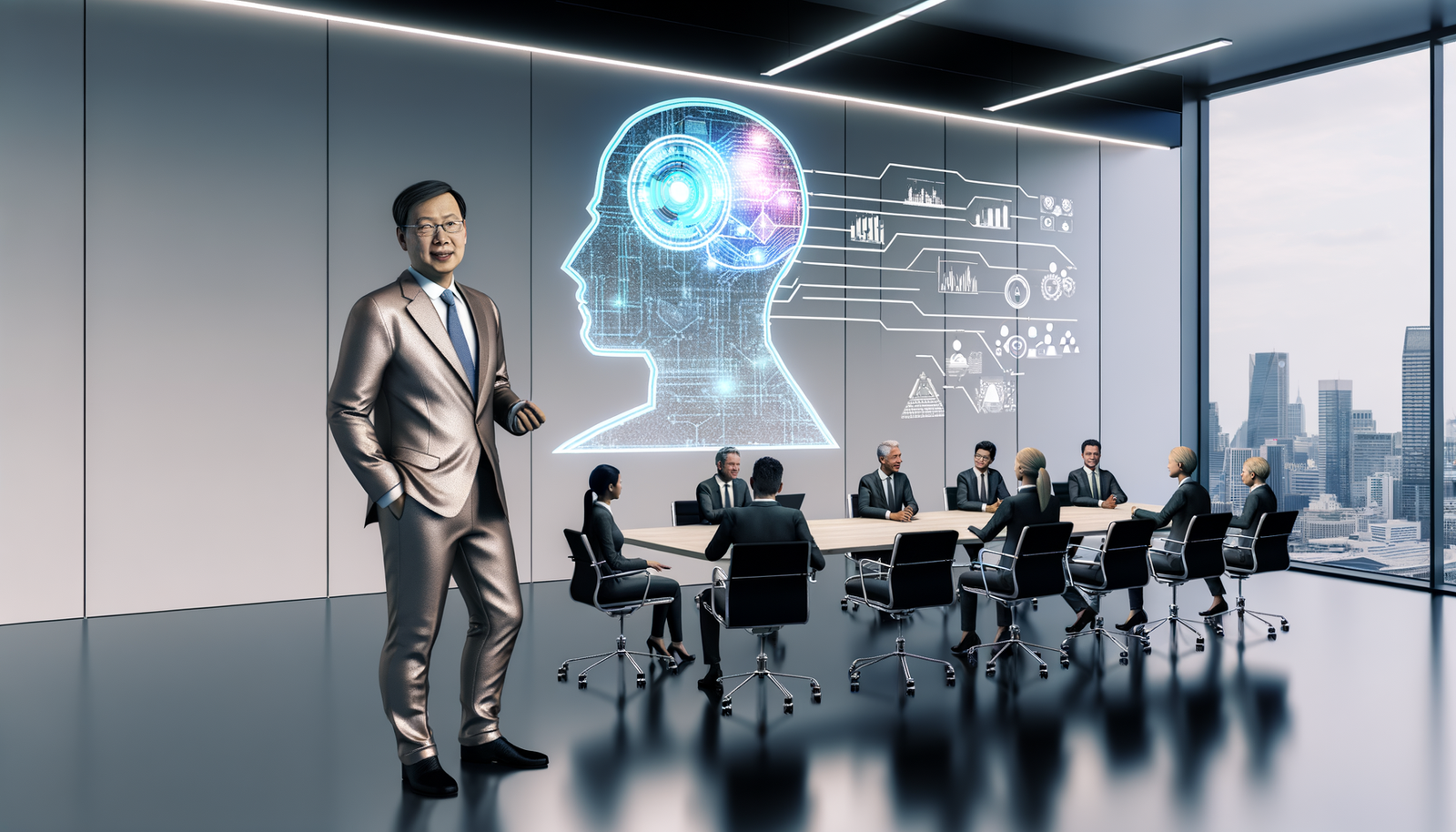
In a bold move to enhance efficiency and innovation, Intel’s new CEO, Lip-Bu Tan, is reshaping the semiconductor giant’s leadership structure. By flattening the hierarchy, Tan aims to foster a more agile working environment that can adapt swiftly to market changes and technological advancements. Central to this transformation is the appointment of an AI Chief, signifying Intel’s commitment to embracing cutting-edge technologies and prioritizing artificial intelligence. As the company navigates the complexities of the semiconductor landscape, Tan’s strategic decisions are poised to redefine Intel’s future and strengthen its competitive edge in the industry.
Intel’s Bold Leadership Shift
In an era where adaptability is the linchpin of success, Lip-Bu Tan’s vision for Intel is like a breath of fresh air—or perhaps a swift gust of wind blowing through a stagnant room. By streamlining the leadership structure, Tan is initiating a cultural metamorphosis at one of the oldest stalwarts of technology. No longer divided by layers of bureaucracy, this new model emphasizes agility and collaboration, directly responding to the accelerated pace of innovation in the semiconductor sector. But what does this mean for Intel and its stakeholders?
The Flattening of Hierarchy
Over the years, companies like Intel have become synonymous with hierarchy, where decisions are made at the top and trickle down through various levels of management. Tan’s decision to flatten this structure signifies a fundamental shift in both philosophy and practice.
- Enhanced Communication: A flatter organization fosters open lines of communication. It enables team members to share ideas and feedback without the constraints of formal protocols, igniting a collaborative spirit.
- Faster Decision-Making: With fewer layers to navigate, Intel can make quicker decisions, essential for staying competitive in the fast-paced tech market.
- Empowerment: Employees at all levels are given a voice, which not only motivates but can lead to innovative ideas and solutions that come from unexpected places.
As Lip-Bu Tan razes the barriers that previously stymied progress, Intel stands poised to not merely react to market changes but rather to anticipate them with unprecedented foresight.
The AI Landscape
At the heart of this leadership redirection lies the pivotal role of artificial intelligence. In an announcement that rippled through the tech community, Lip-Bu Tan appointed a dedicated AI Chief to spearhead Intel’s initiatives in this essential tech frontier. This strategic move underlines Intel’s recognition of AI not merely as a tool but as a cornerstone of future technologies, from hardware to software.
But what exactly makes this appointment so critical?
- Expertise in AI Development: With targeted leadership, Intel can push forward its AI research and development efforts, ensuring they remain competitive with other tech giants like Nvidia and Google.
- Strategic Partnerships: The newly minted AI Chief will pave the way for strategic partnerships that can enhance Intel’s capabilities in data processing, machine learning, and neural networks.
- Market Relevance: As industries worldwide tap into the power of AI, having a dedicated leader will ensure that Intel remains relevant and at the forefront of the evolution.
The appointment of an AI Chief is not just a title; it represents a commitment to harnessing artificial intelligence’s transformative power to drive Intel’s innovation, leading to products that are smarter, faster, and more efficient.
What This Means for Employees
Change can often bring uncertainty, but it can also present tremendous opportunities. Within Intel, this restructuring will reverberate through its employee ecosystem. Lip-Bu Tan’s vision promises to inspire a workforce ready to take ownership of their creativity and initiatives.
- Collaborative Culture: Employees will find themselves engaging in more cross-departmental collaboration, sharing insights and strategies that span different technical fields.
- Innovative Environment: The democratization of ideas can lead to breakthroughs that may otherwise have been overlooked, thus cultivating a culture of innovation.
- Professional Growth: Employees at all levels may find new avenues for their career trajectory, empowered to take on leadership roles and contribute actively to the development of groundbreaking technologies.
Tan’s reimagining of leadership ensures that Intel’s future will be built not just on individual excellence but on collective achievement—a goal that can only be realized when every team member feels invested in their work.
The Competitive Edge in Technology
In the highly competitive landscape of technology, staying ahead of the curve isn’t just an advantage—it’s a necessity. With competitors breathing down their necks, companies must constantly innovate or risk being left in the dust. Tan’s strategic restructure aligns Intel’s mission and resources to push the envelope further than ever before.
Not only has Tan recognized the need for change, but he’s also acted decisively. His focus on transitioning Intel into a company that can swiftly adapt to technological trends—leading with AI—is a strategic maneuver that could significantly bolster its standing in the semiconductor market.
- Innovative Product Lines: With a focused AI Chief, Intel is set to explore new avenues of product development, moving toward applications that harness AI across various sectors—automotive, healthcare, smart devices, and beyond.
- Investment in Research: A commitment to AI translates into greater investment in research and development—cultivating talent and expertise that can propel Intel to the forefront of technological advancement.
- Global Leadership: By embracing AI at the corporate level, Intel is taking steps to solidify its reputation as an industry leader capable of spearheading innovation on a global scale.
The competitive tech landscape is evolving, and Intel’s leadership under Lip-Bu Tan signifies a responsive and forward-thinking approach that aligns with the trends shaping our world.
The Road Ahead
The transformation within Intel under Lip-Bu Tan’s leadership marks an important chapter not just in the company’s history but in the entire technology landscape. As Tan implements these changes, the industry will be watching closely.
Expectations are high, but it’s essential to remember that such monumental transitions take time. Early results may not reflect the full potential of a flattened hierarchy and AI-driven initiatives, but the groundwork being laid promises a brighter future for Intel.
It is a future where innovation and agility blend seamlessly to cater to the needs of an increasingly tech-savvy global population. In this era of rapid change, the decisions made today will echo into the future, and Intel’s embrace of AI and a streamlined approach could be the catalyst that propels them forward.
Conclusion: A New Era for Intel
Lip-Bu Tan’s strategic restructuring of Intel’s leadership structure signifies more than just an operational shift; it is a ripple effect that could reshape the technological ecosystem. With the appointment of an AI Chief and a flattened hierarchy, the message is clear: Intel is committed to innovation, agility, and leadership in artificial intelligence.
The road ahead may be challenging, but it also holds immense promise. As Intel embarks on this journey, it has an opportunity to redefine itself, sector by sector. By fostering a culture of collaboration and innovation, the company is not just preparing for the future; it’s becoming an architect of that future.
So, buckle up—Intel is back, and it’s ready to roll into a new era of technological advancement. Stay tuned for what lies ahead; the excitement is palpable! For more insights into the tech industry’s evolution, visit Neyrotex.com.