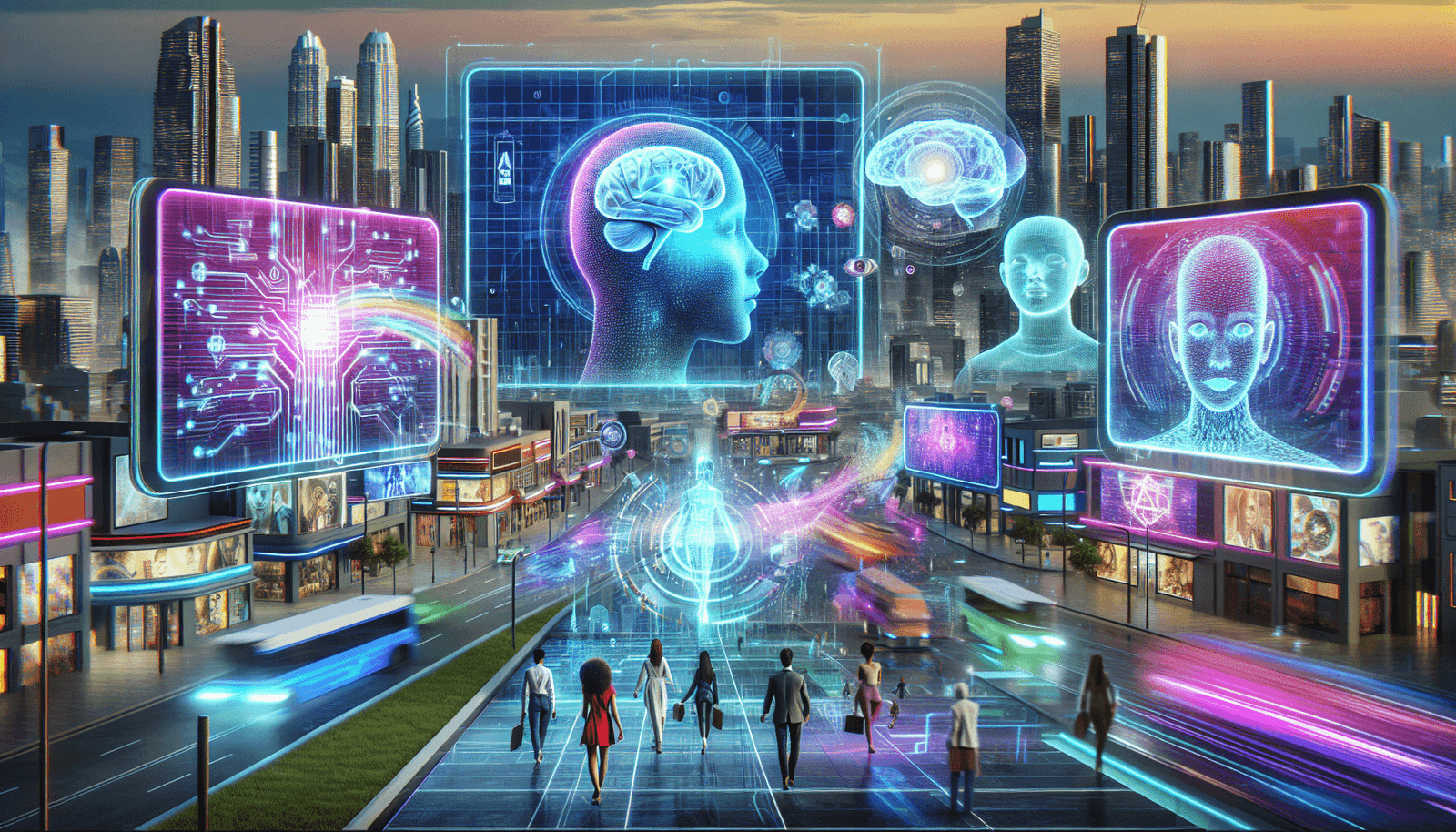
In today’s technologically driven world, the rapid advancement of artificial intelligence (AI) poses both exciting opportunities and daunting challenges. As we delve into the implications of AI on our perceptions of reality, we must consider how this powerful tool might shape our experiences, relationships, and understanding of the world around us. Will AI enhance our reality or create alternate versions of it? Join us as we explore the nuances of AI’s impact and the potential consequences for society and individual identity.
How Artificial Intelligence Could Create an Alternate Reality
Artificial Intelligence is revolutionizing the way we interact with the world. From personalized recommendations on streaming platforms to chatbots that simulate human conversation, AI is embedding itself into our daily lives in countless ways. But as we embrace these advances, a fascinating question arises: Could AI lead us to an alternate reality? Could our perceptions of existence, grounded in data-driven algorithms, create a new lens through which we understand ourselves and the world around us?
The Rise of Virtual Realities
The advent of AI technology does not solely pertain to algorithms and machine learning; it also encompasses the creation of virtual realities (VR). VR experiences can range from the simple—a digital landscape for video gaming—to the sophisticated, immersive environments designed for training in various fields, such as medicine or aviation. These experiences can blur the line between reality and fabrication, leading users to engage with environments that feel increasingly real.
VR is not just about recreation; it has significant implications for industries such as education, therapy, and remote work. For instance, in the medical field, VR can be used for patients to confront phobias in a controlled environment or to assist in rehabilitation by simulating scenarios that promote movement and recovery. However, these innovations raise ethical questions: Are we prepared for technologies that can manipulate our emotional and psychological well-being? What happens when the borders between reality and virtual experiences become fuzzy?
The Social Implications of AI
One of the most intriguing aspects of AI technology is its influence on our social interactions. As AI-powered applications increasingly mediate our relationships—whether through social media algorithms suggesting friends or chatbots providing companionship—there is concern that we may be losing the essence of genuine human connection. Research shows that while digital interactions can fill social needs, they often lack the depth and authenticity found in face-to-face encounters.
Consider the rise of virtual companions powered by AI. These digital entities, designed to mimic emotions and responses, could fulfill our yearning for companionship. Yet, the question arises: will these interactions foster a deeper understanding of ourselves, or will they further isolate us as we seek solace in more fabricated connections? The potential for an alternate reality rooted in AI-generated relationships is both captivating and troubling.
AI and the Concept of Identity
As AI continues to evolve, so too does our understanding of identity. We often define ourselves through our experiences and interactions with the world. However, with AI deeply integrated into our lives, particularly in the realm of data collection and analysis, new realities begin to emerge. Social media platforms utilize AI algorithms to curate our feeds, showcasing a version of ourselves that may not reflect reality but instead emphasizes certain aspects chosen by unseen calculations.
While this can enhance self-expression, it also risks distorting our identities. For instance, how many of us truly curate our lives based on authentic moments versus what we think will garner the most likes or approval? The line between who we are and the persona we project on digital platforms becomes increasingly ambiguous. The prospect of AI technologies promoting specific narratives and identities can lead to fractured self-perception and an undefined sense of self, steering us toward an alternate reality shaped by external forces.
The Economy of Alternate Realities
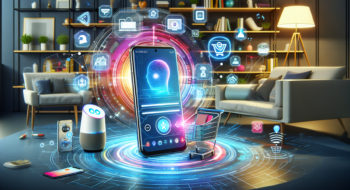
The economic potential of AI is another dimension to explore. Companies are now leveraging artificial intelligence to create customized experiences that reshape consumers’ understanding of products and services. Take the fashion industry as an example: AI technology can analyze past purchase behavior and suggest clothes that match a user’s individual style. This not only personalizes the shopping experience but also creates a scenario where consumers may become too embedded in a curated world influenced by AI.
As businesses increasingly rely on AI to tailor experiences and drive sales, we must also consider the environmental impact and ethical implications. Will this model prioritize profit over sustainability? Could the emphasis on tailored consumption create a divide between those who can afford these bespoke experiences versus those who cannot? The potential for economic class differences to deepen as a result of AI integration into consumer culture could lead to an even more pronounced alternate reality for society at large.
AI in Art and Creativity
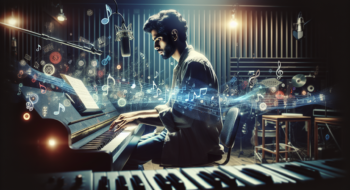
Furthermore, the advent of AI has transformed the landscape of creativity and art. AI algorithms can now produce music, paintings, and even poetry, using vast databases of existing works. This opens up exciting possibilities for artistic expression and collaboration, yet it raises further questions: When a machine can create, how do we define artistry? Can an AI-generated piece of art carry the same weight and emotional depth as one created by a human?
There are some who argue that using AI in creative processes undermines the authenticity of art. However, others believe that AI can be a tool that enhances creativity, prompting artists to rethink their approaches and challenge conventional norms. In this light, AI’s role in art may not just be about creation but rather about collaboration—a new frontier that invites us to reimagine our relationship with creative expression. The interplay between human creativity and artificial intelligence can lead to alternate realities in artistic representation, challenging us to reconsider what we value as authentic.
Ethics of Decision-Making
With AI making decisions on our behalf—whether it be hiring practices, law enforcement, or medical diagnoses—the ethical ramifications of these mechanisms cannot be overlooked. Algorithms that determine hiring outcomes might inadvertently perpetuate existing biases found in historical data, leading to systemic inequalities and the exclusion of various groups. In such scenarios, AI does not merely reflect reality; it actively constructs an alternate experience based on flawed data.
Addressing the biases within AI systems is not just a technological challenge; it’s a moral imperative. The decisions sculpted by AI have far-reaching impacts on individual lives and societal structures. Ensuring accountability and transparency in how AI systems operate can help minimize the risk of producing alternate realities that distort fairness and justice.
Conclusion: Navigating the AI Landscape
As we forge ahead into this new era driven by artificial intelligence, the question of alternate realities looms large. Whether it’s regarding our social interactions, identity formation, creativity, or ethical considerations, AI’s influence is undeniable. It is crucial that we engage with these technologies thoughtfully and critically, understanding both their potential benefits and their profound challenges.
By fostering open discussions about the implications of AI, we can navigate this landscape with a sense of purpose and responsibility. The key is to harness AI’s capabilities to enhance our reality rather than allow it to craft alternative versions that undermine our human experience. As we figure out how to integrate these tools into our lives, we must strive not just for advancement, but for an enriched understanding of what it truly means to be human in a world increasingly influenced by artificial intelligence.
Ultimately, the choice lies with us—to steer technology towards empowering human connections rather than immersing ourselves in the murky waters of alternate realities. Stay informed, engaged, and critical, as our journey into the realm of AI is just beginning. Discover more at Neyrotex.com.