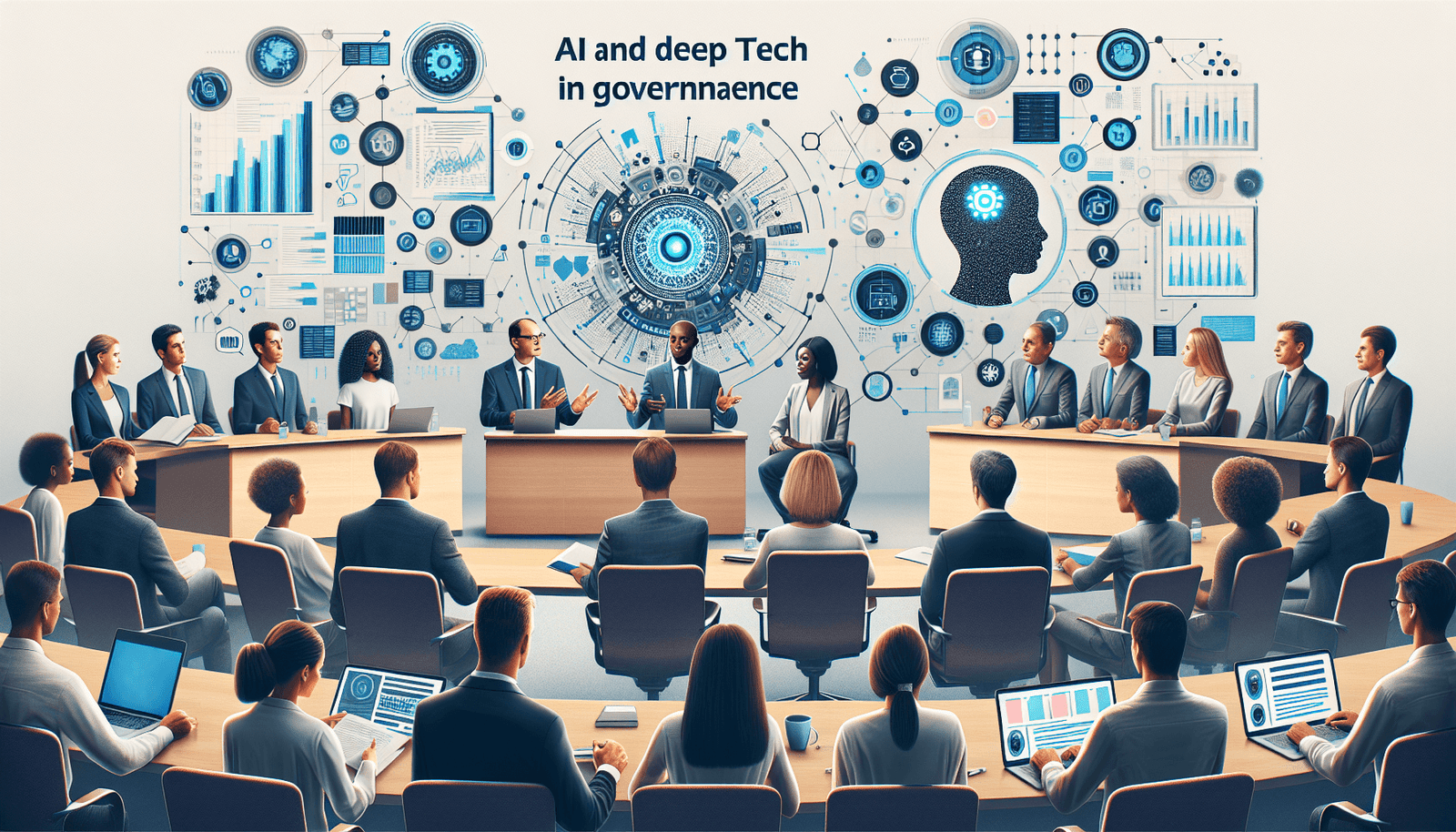
In an era where technology is rapidly transforming governance, Gujarat is taking the lead by exploring the potential of artificial intelligence and deep tech in its administrative processes. Recent sessions attended by ministers and officials highlight the state’s commitment to harnessing these advanced technologies to enhance efficiency, transparency, and decision-making. As the integration of AI into governance becomes increasingly vital, Gujarat’s proactive approach could serve as a model for other regions aiming to modernize their governance frameworks and improve citizen services.
The Tech-Savvy Landscape of Gujarat
Gujarat has long been known as a hub of progress and innovation, and its latest foray into artificial intelligence (AI) and deep tech for governance is no exception. The recent sessions showcased not only the state’s willingness to embrace cutting-edge technology but also its recognition of the ways in which these advancements can reshape public administration. By attending these sessions, state ministers and officials are signaling their intent to lead by example in leveraging technology for the greater good.
This shift towards technology, especially AI, could very well revolutionize how governance works in Gujarat. Imagine algorithms analyzing social trends and citizen needs to help officials make informed decisions faster than ever before. The state seeks to transform traditional governance structures into dynamic, tech-driven entities, causing a ripple effect that might just inspire other regions to follow suit.
Key Highlights from the Sessions
The sessions featured illuminating discussions on various topics surrounding AI’s role in enhancing and redefining governance. Here are some of the key highlights:
- Transparent Decision-Making: The application of AI can lead to greater transparency in governance. By employing data analytics, officials can provide real-time insights and updates to citizens, fostering trust and accountability.
- Efficient Resource Allocation: AI algorithms can help optimize resource allocation by identifying which areas need immediate attention and how to best distribute governmental resources to address them efficiently.
- Predictive Analysis: Using deep tech for predictive analysis can help anticipate future challenges and trends in various sectors, empowering officials to take proactive measures and mitigate potential issues.
These are just a few benefits of integrating AI into governance, and it’s abundantly clear that Gujarat is not just participating in the tech revolution—it’s at the forefront of it. By focusing on how technology can be integrated into existing systems, Gujarat is paving the way for a smarter, more responsive government.
AI: A Game-Changer for Citizen Services
The application of AI doesn’t stop with improving governmental processes; it extends deeply into enhancing citizen services as well. Gujarat aims to provide seamless access to services, ensuring that citizens can engage effectively with their government. With faster response times and a more personalized experience, the integration of AI promises to make interaction with public services not only more effective but also more pleasant.
This commitment to AI is particularly crucial in today’s fast-paced world where people expect immediate responses. AI-powered chatbots and virtual assistants can streamline communication, answer questions, and guide users to the resources they need. Think of a scenario where a citizen can quickly access information about government services simply by asking a question through their phone. It’s a convenient, efficient way to eliminate frustration and enhance engagement.
The Deep Tech Edge
But it isn’t just AI that is capturing the attention of Gujarat’s leadership. Deep tech—including fields such as blockchain, big data, and the Internet of Things (IoT)—is another layer of innovation being explored. The state is keen on incorporating these technologies to create a holistic ecosystem of governance that thrives on connectivity and data-driven insights.
- Blockchain for Transparency: One of the exciting facets of blockchain technology is its potential for creating immutable records. With blockchain, citizens can have real-time access to public data, ensuring that transparency is not just a concept but a reality.
- Big Data Analytics: In an age inundated with information, the ability to process and make sense of large datasets is invaluable. Gujarat officials can utilize big data analytics to inform decision-making, leading to more effective and community-focused policies.
- Smart Cities Initiative: The integration of IoT technologies is a game changer for urban development. Smart cities utilize sensors and connectivity to improve infrastructure, reduce traffic congestion, and enhance public safety, all of which can be achieved using deep tech and AI.
The blend of AI and deep tech offers an array of possibilities that could elevate Gujarat’s governance framework. As the state dives headfirst into these technologies, it establishes a blueprint worth emulating elsewhere.
Collaboration and Capacity Building
However, leveraging AI and deep tech isn’t merely about technology adoption; it requires a significant shift in perspective. The success of this initiative will hinge on collaboration among various stakeholders, including technology experts, policymakers, and citizens themselves.
Furthermore, capacity building is essential. It is crucial that local officials receive the necessary training to effectively operate and manage these new technologies. Integrating AI and deep tech in governance is not solely the responsibility of IT departments; it requires a cultural transformation in how government officials approach problem-solving and decision-making.
Challenges on the Horizon
While the prospects are exciting, it’s essential to recognize that challenges exist. Here are a few areas that may require attention:
- Data Privacy Concerns: The use of AI in governance raises concerns about data privacy and misuse of information. Striking a balance between technological advancement and protection of personal data is vital.
- Infrastructure Limitations: For AI and deep tech to function correctly, robust infrastructure is necessary. States must invest in technology and training to support the integration of these tools.
- Digital Divide: It’s crucial to ensure that access to digital tools is equitable. Bridging the digital divide will ensure that all citizens can benefit from innovations in governance.
By addressing these challenges head-on, Gujarat can enhance its chances of making AI and deep tech a core part of its governance strategy while ensuring that it serves rather than sidelines any segment of the population.
A Look Ahead: Setting Trends
The path Gujarat is carving out with AI and deep tech could serve as a beacon of inspiration for states across India and beyond. As global trends push governments to become more interconnected and efficient, Gujarat’s leaders are taking bold steps that could redefine governance not only locally but on a much larger scale.
Leaders and officials from other states and even countries may look to Gujarat as a case study, gathering insights into what works and what doesn’t when attempting to modernize governance frameworks. With the right approach, the progressive nature of Gujarat’s governance can inspire a wave of innovation across the globe.
Your Takeaway
As Gujarat dives deeper into the realms of AI and deep tech, the commitment displayed by its ministers and officials is commendable. It signals a paradigm shift in governance that prioritizes efficiency, responsiveness, and transparency. As other regions watch and learn, they may adopt similar initiatives as part of their governance frameworks. Indeed, we are witnessing a technological renaissance in Gujarat that may change the game for governance!
If you want to stay updated on how AI and deep tech are being integrated into governance, do check out Neyrotex.com for more insights! Whether you’re a tech enthusiast or a citizen curious about governance, these developments are certainly worth keeping an eye on.
In conclusion, as Gujarat continues its journey into the future of governance through AI and deep tech, the excitement lies in the fact that we may not just be spectators—but active participants in a chapter of history that could reshape the very fabric of how we connect with our government, demand services, and engage in civic life.
For the latest updates, resources, and discussions about technology and governance, explore Neyrotex.com. The future is here, and it’s evolving rapidly—don’t miss out!
As we look ahead, it’s clear that the innovations arising from Gujarat could establish a trend that resonates long beyond its geographical boundaries. The state is undoubtedly setting the stage for governments everywhere to rethink their approach and embrace the future—one algorithm at a time!
Finally, always keep an eye on initiatives like Gujarat’s, for they might just be the spark we need to foster global change and achieve a governance structure that genuinely works for the people it serves.
Visit Neyrotex.com today to dive deeper into how technology is transforming governance and to stay connected with this growing narrative!