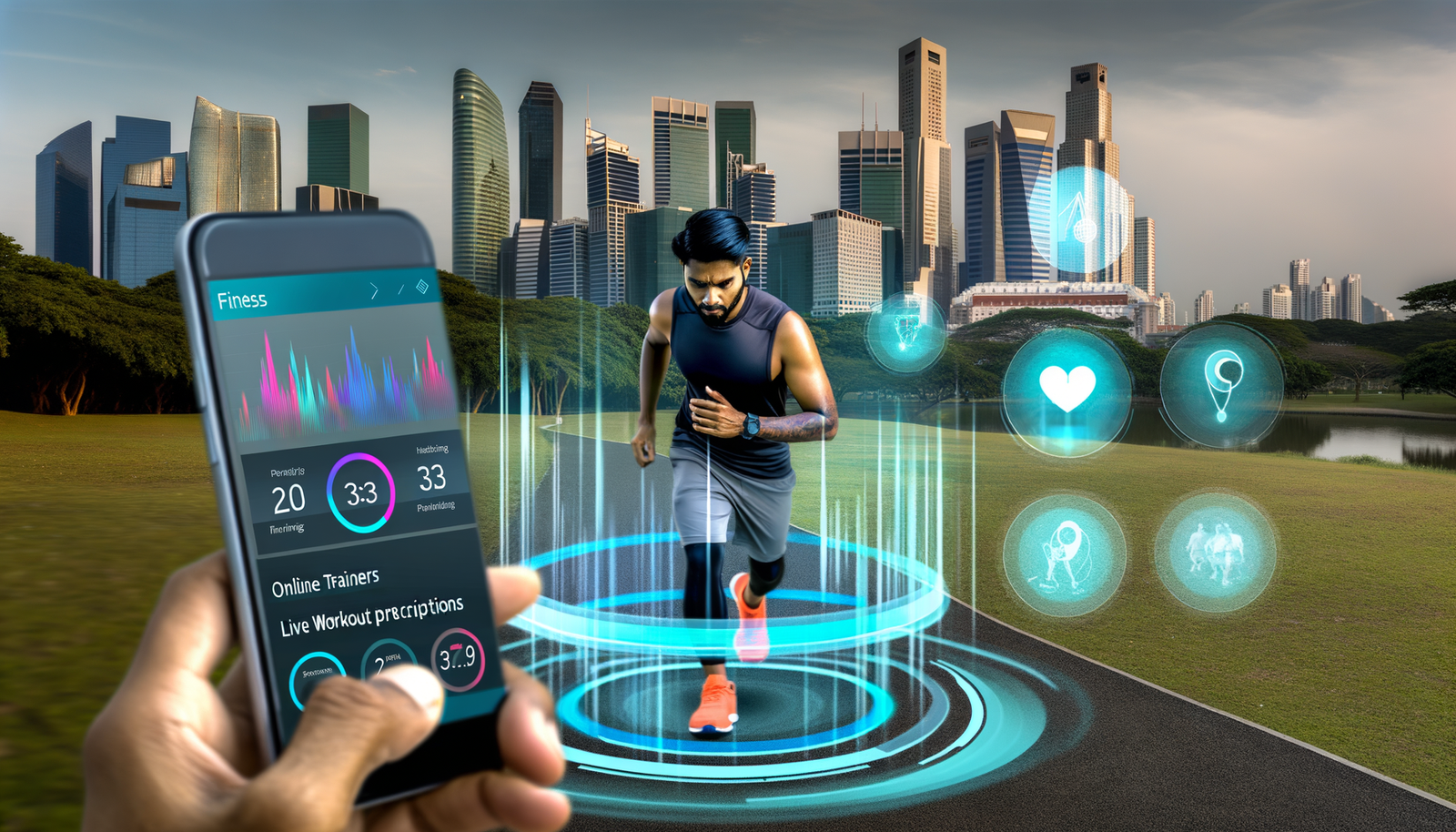
Fitness & Sports Apps: New Features and Trends for 2025
In 2025, fitness apps are set to revolutionize the way we approach health and wellness, leveraging cutting-edge technology to enhance user experience. The integration of artificial intelligence (AI) and the Internet of Things (IoT) promises personalized workouts that adapt to individual needs, ensuring optimal progress tracking and motivation. As we explore the latest features and trends in fitness apps, we’ll uncover how these innovations create a more engaging and effective fitness journey, empowering users to achieve their goals like never before. Get ready to embrace the future of fitness!
AI-Driven Personalization: The Future of Fitness Coaching
2025 marks a seismic shift in how fitness apps engage users. Gone are the days of generic workout plans. Today’s apps deploy sophisticated AI algorithms to analyze user data—heart rate, sleep patterns, workout history, and even genetic predispositions—to craft hyper-personalized routines. Apple’s Workout Buddy, launched at WWDC 2025, exemplifies this trend. This AI-powered feature sifts through workout data to deliver real-time encouragement, celebrating milestones like “Your fastest 5K yet!” or “You’ve hit 50 workouts this month!” while offering audio-based pep talks during sessions. While it currently lacks full workout planning capabilities, it signals a broader industry pivot toward human-AI collaboration in fitness.
Apps like Fitbod take personalization further by integrating machine learning to adjust resistance levels, rep ranges, and exercise sequences based on user performance. For example, if a user struggles with squats, the app might reduce weight recommendations or suggest mobility drills to improve form. This adaptive intelligence is supported by IoT devices like smart dumbbells and connected treadmills, enabling real-time feedback loops. The result? Workouts that evolve alongside users, reducing plateaus and preventing injuries. By creating tailored experiences, fitness apps encourage consistency and excitement, which are crucial for long-term user engagement.
Immersive Fitness Experiences: Gamification Meets Reality
Virtual and augmented reality (VR/AR) are redefining how we interact with fitness. At the forefront is Kinneta XR, which showcased groundbreaking VR fitness apps at AWE 2025. Their Run Cycle app transports users to dynamic virtual environments—whether a mountain trail or a neon-lit urban course—while tracking their real-world movements. The twist? Terrain difficulty adjusts based on performance. If you’re sprinting uphill, the virtual path steepens; if you slow down, the route flattens. This adaptive gamification keeps workouts fresh and challenging, leveraging spatial computing to blend physical activity with digital engagement.
Other apps are incorporating social VR experiences, allowing users to train alongside friends or join global fitness challenges. Imagine cycling through a virtual Tour de France course while competing with cyclists from Tokyo to São Paulo. These shared experiences foster community and accountability, turning solo workouts into interactive adventures. The technology not only enhances motivation but also cultivates a sense of camaraderie among users as they strive for common fitness goals in a digitally connected world.
IoT Integration: Smarter Gear, Smarter Workouts
IoT isn’t just about smartwatches; it’s about creating an ecosystem of interconnected devices. Modern apps sync with everything from smart mirrors (like those analyzing form in real-time) to connected gym equipment (treadmills adjusting incline based on workout goals). Take the WHOOP band, which uses advanced biometrics to assess recovery, then recommends workout intensity via its app. This closed-loop system ensures users train optimally, avoiding burnout.
Even home workouts benefit from IoT. Apps like Freeletics now integrate with smart scales and blood glucose monitors, offering holistic health insights. The data paints a 360-degree picture: a sluggish workout might correlate with poor sleep or elevated stress levels, prompting the app to suggest restorative yoga instead of HIIT. This predictive personalization moves beyond fitness into total wellness, ensuring that users have access to comprehensive insights that promote overall health.
Wearable Tech Evolution: Beyond Heart Rate Tracking
Wearables have become indispensable, but 2025 models boast advanced capabilities. The Apple Watch Series 10 and Garmin Venu 4 now include EDA sensors (electrodermal activity) to monitor stress levels and blood oxygen sensors for high-intensity training. These metrics feed into apps that offer context-aware coaching. For instance, if stress levels spike, an app might suggest breathing exercises instead of a scheduled HIIT session.
Emerging wearables like Neyrotex’s AI-driven fitness bands aim to decode neural signals, potentially predicting fatigue or injury risk. While still experimental, these devices represent the next frontier in biometric intelligence, where apps proactively adjust routines to prevent overtraining. As wearables evolve, the potential to cater to individual user needs becomes greater, enhancing the user experience and promoting safer training methods through real-time adjustments based on physiological feedback.
Market Growth and Emerging Opportunities
The interactive fitness market is booming, projected to reach $13.09 billion by 2034. This growth is fueled by demand for hybrid gym-home workouts, post-pandemic habits, and the rise of micro-gyms (compact, tech-enabled home setups). Apps capitalizing on this trend include Apple Fitness+, which offers studio-quality workouts requiring minimal equipment, and Trainiac, which uses AI to recommend equipment-free routines based on space constraints.
Another trend? Corporate wellness integration. Apps like Fitbit Health Solutions partner with employers to offer subsidized memberships, gamified team challenges, and health metrics tracking. This preventive healthcare model aligns fitness with workplace benefits, creating new revenue streams for app developers. As businesses recognize the importance of employee health in enhancing productivity and reducing absenteeism, the collaboration between fitness apps and corporate wellness programs is likely to expand, fostering a healthier workforce.
Future Trends to Watch
1. Generative AI for Custom Content: Apps will generate personalized workout videos, meal plans, and motivational stories using GPT-5-like models. Imagine an AI trainer with your voice and coaching style, making the experience more relatable and personalized.
2. Haptic Feedback in AR Workouts: Apps might use haptic vests or gloves to simulate resistance training or cycling terrain, making VR workouts more tactile, enhancing user immersion and engagement.
3. Neural Interface Integration: Early-stage projects explore using neural signals to control workout intensity or select exercises, though ethical and technical challenges remain, calling for thorough exploration of user safety and data ethics.
Why This Matters: Empowering Users, Not Just Tracking Them
At their core, 2025’s fitness apps aim to empower rather than dictate. They turn data into actionable insights, transform routines into adventures, and make health a shared journey. Whether you’re a marathon runner or a yoga newbie, these tools promise to make fitness more accessible, engaging, and sustainable than ever. As we move towards a future where technology and fitness blend seamlessly, the emphasis will be on creating an environment where users feel supported and motivated to pursue their health and wellness goals.
Ready to experience the future of fitness? Join the conversation on Oracle Pro News Telegram channel for the latest updates and exclusive insights.