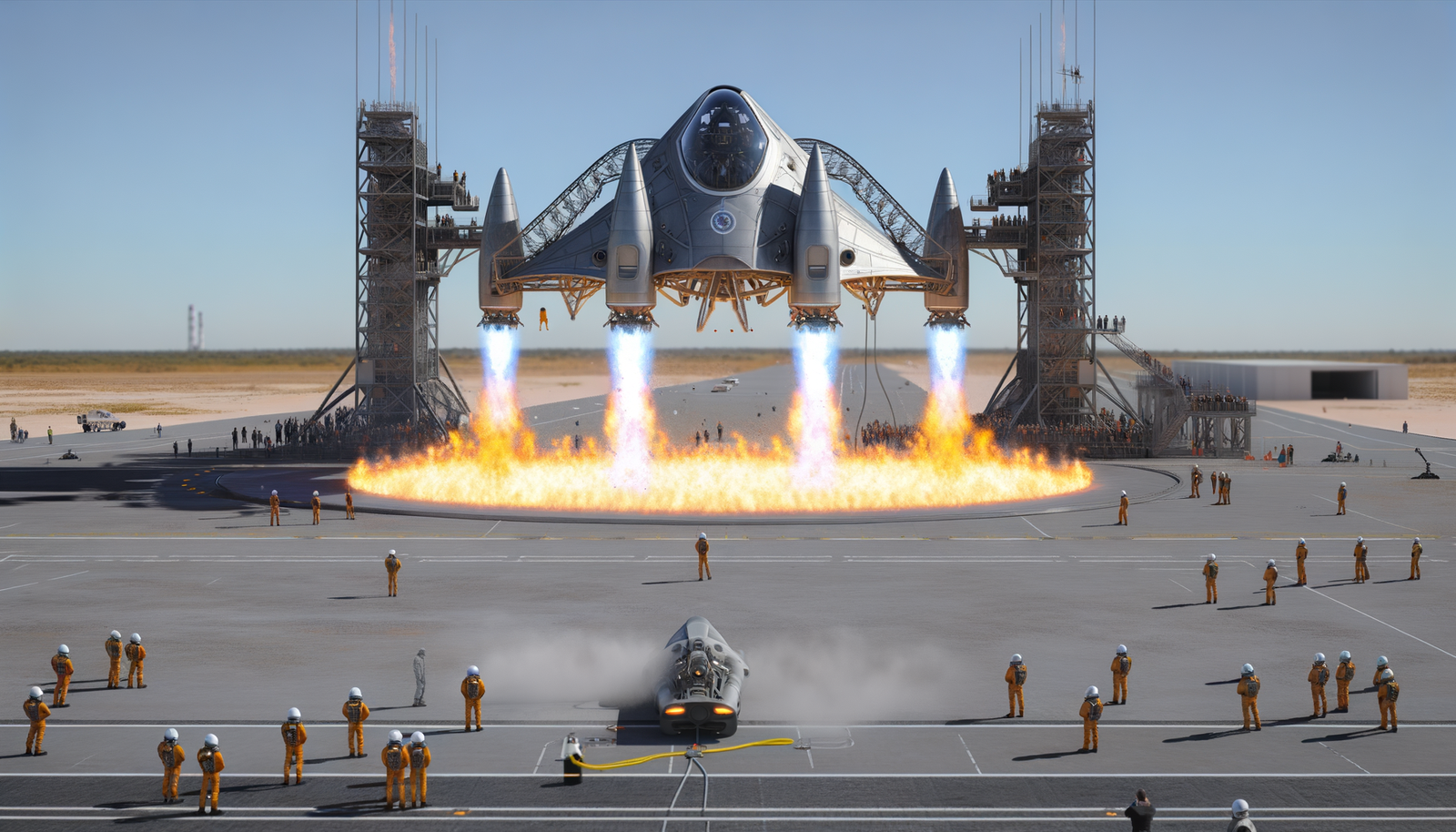
In the rapidly evolving landscape of space exploration, few events have captured the industry’s attention like the recent string of catastrophic incidents surrounding SpaceX’s Starship. With four explosions in a row now shaking the foundations of aerospace innovation, the implications are profound. This latest series of mishaps, dubbed the “Catastrophic SpaceX Starship Ground Explosion,” has sent shockwaves throughout the industry, prompting critical discussions on safety protocols and engineering resilience. As experts analyze the causes and ramifications, the future of SpaceX and the broader ambitions of space travel hang in the balance.
Understanding the Catastrophic SpaceX Starship Ground Explosion
When talking about rocket science, failure has often been part of the equation—an unwelcome but sometimes necessary step in the journey to success. However, the recent catastrophic SpaceX Starship ground explosion adds a troubling chapter to this narrative. As we dive into what happened during these explosive tests, we’ll uncover the factors that led to these incidents, the immediate responses from SpaceX, and what it ultimately means for the future of space travel.
The Shock of the Explosion
On the fateful day of the test, anticipation was buzzing in the air as engineers and spectators assembled to witness a ground static fire test for the latest Starship prototype. The excitement soon turned to horror as the rocket burst into flames in a catastrophic explosion, sending debris flying and shaking the ground. This particular test was aimed at assessing the rocket’s integrated systems, marking a crucial step in SpaceX’s ambitious mission to Mars. Instead, it became a lesson in the unpredictability of advanced technology.
What Went Wrong?
Investigators swiftly began poring over telemetry data, interview notes, and video footage to grasp how the catastrophic SpaceX Starship ground explosion unfolded. The primary culprits seem to lie in the complexities of integrating numerous systems and components. While the static fire test itself is a common procedure, that day, a combination of unforeseen factors contributed to the disaster:
- Integration Challenges: The intricacy of the Starship’s systems meant that any small misstep could lead to significant issues during testing.
- Fuel and Oxidizer Reactions: The propellant combination used in the static fire tests is notoriously volatile; any imbalance can trigger catastrophic failures.
- Environmental Factors: Weather conditions and ground conditions at the launch site can also play roles in test outcomes.
As we dissect these factors, it is essential to remember that failure is often part of the path to breakthroughs in aerospace engineering. Yet, these incidents raise important questions about what safety protocols are in place and whether they need to be upgraded to meet the demands of modern rocket technology.
The Ripple Effect on the Industry
In the wake of the catastrophic SpaceX Starship ground explosion, industry experts are not just worried about the operational capacity of SpaceX but the broader implications for space exploration. NASA and other private agencies have been closely monitoring these developments, given that SpaceX’s Starship plays a vital role in upcoming lunar missions and future Mars explorations. This reliance intensifies scrutiny on SpaceX’s engineering strategies.
Furthermore, potential partners and stakeholders might be reconsidering their involvement or, at the very least, urging SpaceX to enhance safety measures. The aerospace sector is a complex tapestry of collaboration; thus, one thread coming undone could unravel the entire fabric. Here’s how this situation is poised to impact various stakeholders:
- NASA: The agency’s Artemis program, which relies heavily on SpaceX for the Lunar Gateway and Moon missions, may face delays; thus leading to a re-evaluation of timelines and budgets.
- Investors: Spaces such as venture capital and government contracts may experience waves of skepticism, affecting future funding opportunities.
- Other Companies: Competitors might see this as an opportunity to showcase their own reliability and adeptness, possibly even pilfering some of SpaceX’s market share.
A Culture of Learning and Resilience
While the catastrophic SpaceX Starship ground explosion is a setback, it also signifies part of the company’s culture. In a statement following the explosion, CEO Elon Musk acknowledged the challenges and emphasized how crucial it is to learn from failures. He encapsulated the ethos of space exploration: “We will keep pushing the envelope as we strive for the stars.”
True to Musk’s words, SpaceX isn’t planning to bury its head in the sand. Instead, they are initiating an in-depth investigation aimed at bouncing back stronger. This process includes:
- Revising Safety Protocols: Systems and processes designed to mitigate risks during tests will be analyzed and updated.
- Enhanced Testing Environments: Future static fire tests may soon incorporate more advanced safety measures.
- Transparency: Open dialogs with the public and stakeholders can foster trust and encourage more significant investments.
The Road Ahead
The aftermath of this catastrophic explosion may already be shaping the landscape for SpaceX and the industry at large. While some may view these incidents as signs of impending doom, it’s essential to remain grounded in the reality that failure is often the mother of invention. SpaceX has gained immense notoriety for building upon its missteps, learning, and evolving.
Moving forward, the lessons learned from the catastrophic SpaceX Starship ground explosion could lead to innovations that not only make the Starship program better but could revolutionize space travel altogether. The ambition to colonize Mars is not simply about reaching a planet—it’s about ensuring a reliable, safe, and tech-savvy method to transport human life across the cosmos.
It is an exciting time to be involved in or observing the aerospace industry. The resilience of teams like SpaceX serves as a testament to the tenacity required to explore unknown frontiers. As discussions evolve around these failures—and the implications they have for the future of space exploration—one must hope that the quest for knowledge never stops, even (or especially) when it nudges us toward righteous self-assessment.
Lastly, let’s keep our eyes to the stars because if history has taught us anything, it’s that each setback is merely a stepping stone to monumental achievements. For more insights into technology and innovation, check out Neyrotex.com.