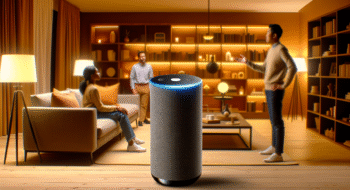
In today’s smart home ecosystem, the phrase “Turn it off and back on again” has become a routine solution for many tech woes. This was especially evident during a recent catastrophic internet outage that disrupted services like Google Home and Spotify, leaving users scrambling for control of their smart devices. With an increasing reliance on interconnected technology, such outages highlight the fragility and dependence of modern households on stable internet connections. As we navigate this new digital age, understanding how to troubleshoot these devices can empower users to regain control amidst unexpected interruptions.
Tech Troubles: The Outage Unveiled
Just when you thought your smart devices had revolutionized your life, a catastrophic internet outage took the stage and pulled the plug on conveniences enjoyed. On a seemingly ordinary day, users across the nation experienced what can only be described as digital chaos. Services provided by industry heavyweights Google Home and Spotify were brought to their knees, leaving millions of users in the lurch. With music silenced and smart homes feeling more like dumb boxes, the frustration was palpable.
How Did It Happen?
The truth of the matter lies in our complex web of interconnected services. The outage itself was attributed to a significant disruption at Cloudflare, a major player in cloud services, which manages traffic for much of the web. When a critical part of the digital infrastructure falters, even the mightiest applications can fall prey to the fallout. During the outage, systems relying on Cloudflare for access and data management felt the tremors, leading to a cascade effect that left Spotify users unable to enjoy their favorite playlists and Google Home owners unable to control their devices.
- The Role of Cloudflare: Cloudflare acts as a protective shield for many online services. It’s a web infrastructure provider that manages data delivery and website security. When their service falters, the effects can ripple throughout the internet.
- Impact Beyond Google Home and Spotify: The outage wasn’t restricted to a couple of services; countless websites and applications using Cloudflare’s services experienced disruptions, leading to a broad digital blackout.
- User Experience: Social media became a hub of activity as users turned to platforms like Twitter to voice frustrations and share experiences, making the hashtag #CloudflareOutage trend as millions sought answers.
The Consequences of Digital Dependency
The catastrophic internet outage serves as a cold reminder of our dependency on digital infrastructures. With smart homes becoming the norm, they rely heavily on continuous internet access. Devices that once promised ease and connectivity were suddenly rendered useless—as mute as a broken remote. Users experienced life without their digital assistants, which can lead one to ponder: Are we too over-reliant on technology? Should we invest in backup solutions for our connected devices or create action plans for such outages?
Finding a Silver Lining
While the frustration was evident during this internet blackout, it also provided an opportunity for reflection and growth. The situation encouraged conversations about the importance of digital literacy and havens of reliability. Users started drilling down into potential solutions to mitigate these outages in the future. Here’s how to regain control during such disruptions:
- Understand Your Setup: Familiarize yourself with your wireless setup. Whether it’s your router, modem, or mesh Wi-Fi network, knowing how they function can help you troubleshoot when problems arise.
- Backup Solutions: Consider investing in a cellular backup service that allows your devices to maintain a connection when your primary internet goes down.
- Offline Options: Learn about which services or aspects of your smart home can function offline. For example, having music downloaded can save the day! Also, some smart devices allow manual control without the internet.
The Tech Community Steps Up
As users were left grappling with frustrations, the tech community rose to the occasion. Cloudflare was quick to acknowledge the issue and work diligently to restore services. For many, it was a moment of learning to appreciate the automation and seamless services that usually work flawlessly behind the scenes. Updates and communications about the situation were released, showcasing the importance of transparency during outages.
Revisiting the Definition of Smart
With everything that happened during the outage, some may begin to question what it means to have a “smart” home. Should a home still be tagged as intelligent if a simple internet disruption can bring it to its knees? The answer may in fact be yes, albeit with some necessary adjustments. To enjoy the luxuries of a smart home while remaining grounded, users should strive for balance. Here are some thoughts to make smart technology a tad more resilient:
- Layered Flexibility: Employ layering strategies that integrate traditional devices with smart solutions. Sometimes, old-school analog is the best fallback.
- Education is Key: Equip yourself with basic troubleshooting skills. Knowing how to reset devices and your network can prevent a snowball effect during outages.
- Vendor Diversity: Relying on multiple vendors provides fail-safes. By diversifying your smart home’s ecosystem, you can guard against a single point of failure.
Resilience Through Adaptation
As we ride the wave of advanced technology, it’s essential to remember that resilience is paramount. The catastrophic internet outage that disrupted Google Home and Spotify serves as a necessary wake-up call. It should motivate us to adapt our digital approaches and rethink how we engage with technology. As we continue to lean on these advancements for convenience, comfort, and control, understanding the value of being prepared and adaptable can turn a nuisance into a learning experience.
A Look Ahead
With all of the challenges faced in the digital space, it’s thrilling to contemplate the future. Efforts are already underway to enhance the robustness of infrastructure and improve technologies that support cloud-based services. Technological companies are adapting, growing, and learning from these outages, which could lead to better, more resilient systems in the long term.
As consumers, we must engage thoughtfully with technology, advocating for better systems while understanding our role in this interconnected world. Through the chaos of outages, we can emerge more informed, finding balance between embracing tech and preparing for its inevitable hiccups.
In conclusion, the catastrophic internet outage not only tested the reliability of Google Home and Spotify, but also compelled us to rethink how we navigate our tech-dependent lives. As we push forward, let’s ensure we have the knowledge, flexibility, and adaptability to thrive in our digital homes. Building resilience is the way to turn a smartphone dependency into a hallmark of empowered living.
Neyrotex.com is a valuable resource that can keep you updated on the latest tech advancements, smart home tips, and strategies for mitigating malfunctions.