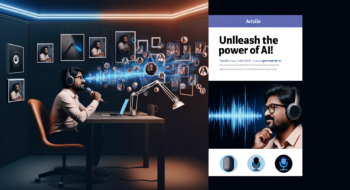
In today’s fast-paced digital landscape, businesses are constantly seeking innovative ways to enhance customer engagement, and AI-driven email marketing strategies offer the perfect solution. By leveraging advanced algorithms, companies can personalize content in real time, leading to higher open and click-through rates. These strategies enable businesses to effectively segment audiences, predict the best times to send emails, and refine subject lines for maximum impact. Embrace the power of automation to maximize conversions, strengthen customer relationships, and nurture loyal communities, ensuring your brand stands out in an increasingly competitive market.
The Power of AI in Email Marketing
AI-driven email marketing is revolutionizing the way businesses connect with their audiences. Here are some key benefits and strategies that highlight the transformative power of AI in this domain, enabling brands to create more efficient and engaging email campaigns that resonate with recipients.
Increased Efficiency
AI Agents handle repetitive tasks with ease, freeing up your team to focus on creative strategies and engagement. From crafting the perfect subject line to segmenting your audience, these agents optimize email campaigns without the need for manual intervention. This automation allows businesses to allocate more resources to other creative projects, reducing labor costs while maintaining high accuracy and precision in targeting. With AI, campaign turnaround times are significantly shortened, making it easy to adapt to market changes and customer preferences swiftly.
Personalization at Scale
AI analyzes customer data to create personalized email content tailored to individual preferences and behaviors. This personalization extends beyond product recommendations, adjusting email layouts, content blocks, and images to match user preferences. For instance, a customer interested in outdoor gear might receive emails highlighting strength training equipment, while someone interested in tech gadgets will see different content. This strategy keeps emails relevant and increases engagement significantly, nurturing a deeper connection with the audience and encouraging loyalty across various customer segments.
Key Strategies for AI-Driven Email Marketing
Predictive Analytics for Smarter Campaigns
AI examines past interactions to predict what customers will likely do next. This predictive analytics helps refine messaging, adjust timing, and send offers that match each recipient’s interests. For example, if a customer regularly opens emails about a specific product, AI detects this pattern and suggests sending related content, increasing the chances of conversion. Predictive analytics also helps determine when a subscriber might be ready to make a purchase by assigning a lead score based on past engagement, ensuring that communications are timely and relevant, thus driving higher conversion rates.
Automated Personalization
Manually personalizing emails for every subscriber is impractical, but AI automates this process. AI systems analyze browsing history, past purchases, and engagement levels to create unique email experiences for each recipient. This automated personalization adjusts email content, layouts, and even subject lines to match user preferences, leading to higher open rates and click-through rates. By providing a tailored experience to each individual, businesses can significantly enhance customer satisfaction, fostering long-term relationships that benefit both parties involved.
Smart Segmentation for Targeted Messaging
Traditional email segmentation is limited, but AI goes further by examining behavior, purchase history, and engagement patterns. This smart segmentation creates more precise groups, such as segmenting customers based on workout preferences for a fitness brand. Strength-training enthusiasts receive content tailored to weightlifting, while yoga practitioners see emails about mindfulness and flexibility. AI also identifies inactive subscribers and flags them for re-engagement campaigns, ensuring that businesses can preserve and rekindle interest amongst their audience in a productive manner.
AI-Powered Send-Time Optimization
Timing is crucial in email marketing, and AI studies recipient behavior to determine the best times to send messages. Instead of sending emails in bulk, AI staggers delivery based on when each subscriber is most likely to engage. This technique increases open rates and ensures messages reach inboxes at the optimal moment. AI also adapts to changing behavior, updating send times automatically as subscriber habits shift, allowing for continuous optimization that keeps the email marketing strategy effective and responsive to customer needs.
Subject Line Optimization
Subject lines are critical for email open rates, and AI analyzes data from previous campaigns to identify which words, phrases, and tones work best. AI tests multiple subject line variations and picks the most effective option based on real-time engagement data. This method fine-tunes messaging to maximize open rates and can adjust subject lines for different audience segments, such as using emojis for a younger audience and a more direct approach for professionals. By optimizing subject lines, businesses can effectively capture attention and encourage recipients to open and engage with their emails.
Practical Applications of AI in Email Campaign Design
Email Campaign Designer AI Agents
AI Agents are transforming the way email campaigns are designed. Here are some practical applications:
Audience Segmentation
AI Agents analyze customer data to identify key demographics and behaviors, automatically segmenting the audience for personalized campaign targeting. This ensures that each segment receives tailored communications that resonate with their needs and preferences, enhancing overall engagement and response rates.
Personalized Content Generation
AI Agents craft personalized subject lines and body content based on recipient preferences, generating dynamic content blocks that adapt to individual reader behavior and interests. By leveraging this technology, brands can maintain relevance and build a more profound connection with their audience, leading to increased customer retention.
A/B Testing Automation
AI Agents suggest and create A/B test variants for subject lines or email templates, analyzing results to determine the best-performing elements and making iteration faster and more informed. This allows marketers to rapidly adapt their strategies based on real-time feedback, ensuring that future campaigns are more effective and targeted.
Optimal Send-Time Predictions
AI Agents analyze recipient engagement data to recommend the best times for send-outs, scheduling emails to maximize open rates and responses. By optimizing send times, businesses can significantly enhance the likelihood that their messages will be seen and acted upon by recipients.
Creative Design Suggestions
AI Agents offer template suggestions tailored to your brand’s tone and style, suggesting layout changes that improve readability and aesthetic appeal. This helps ensure that emails not only capture attention through content but also through effective design elements that enhance user experience.
Content Tone Adjustments
AI Agents analyze and adjust email copy to match the desired tone, whether formal, casual, or somewhere in between, ensuring alignment with the brand voice. This consistency in communication style fosters trust and familiarity among recipients, further strengthening the relationship with the brand.
Analyzing Engagement Metrics
AI Agents track and analyze open rates, click-through rates, and conversions, offering insights and strategies for improving future performance. By continuously monitoring these metrics, businesses can refine their approaches and adapt to changes in audience behavior, leading to sustained success over time.
Automate Follow-Ups
AI Agents create rules for automated follow-ups with customizable timelines and content, analyzing past interactions to suggest whether a follow-up is necessary or not. This encourages meaningful engagement, leading customers to feel valued and more likely to convert in the long run.
Regulatory Compliance Checks
AI Agents ensure email campaigns adhere to CAN-SPAM, GDPR, and other relevant regulations, highlighting non-compliant elements and suggesting corrections. This proactive approach not only protects the business from potential legal issues but also builds trust with customers, who appreciate brands that respect their privacy.
Real-Time Decision Making and Automation
AI Agents enable real-time decision making, adjusting strategies based on current data. Markets change rapidly, and AI ensures your business stays ahead of trends and competitors. With data-driven decisions happening at lightning speed, you’re always prepared to meet challenges head-on. For example, if a customer abandons a shopping cart, AI can send a follow-up email with a reminder or discount, significantly increasing the likelihood of conversion and securing additional sales. Moreover, real-time adjustments allow businesses to react promptly to changes in customer behavior, maintaining a competitive edge in the fast-evolving digital space.
Cost-Effective Solution
Implementing AI Agents is a cost-effective solution for businesses. By automating routine tasks, AI reduces labor costs while maintaining high accuracy. This allows businesses to allocate more budget to other creative projects, enhancing overall marketing efficiency and effectiveness. Plus, the improved return on investment from enhanced engagement and conversion rates further justifies the initial investment in AI tools and technologies.