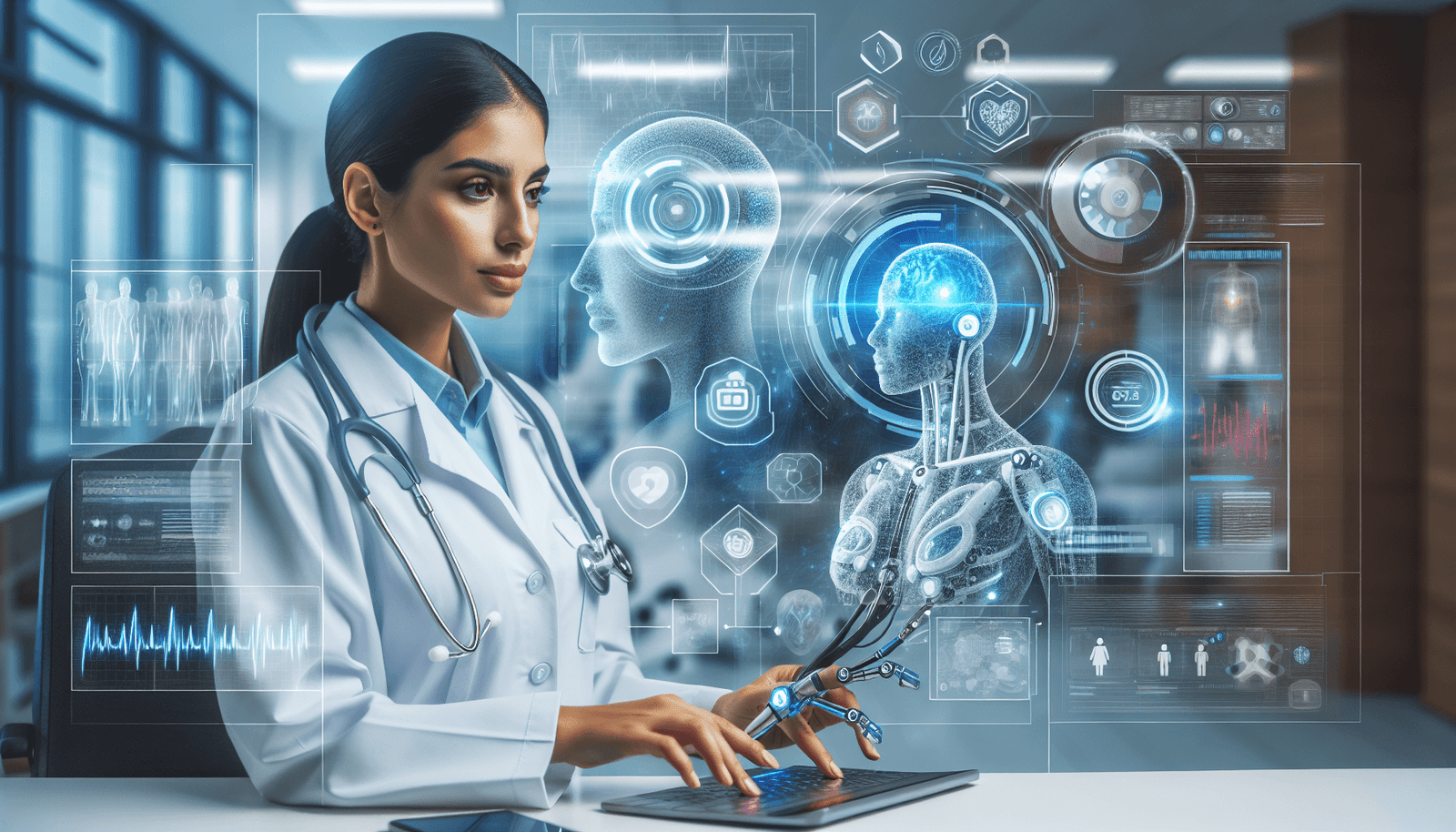
Artificial Intelligence: Transforming the Future of Healthcare Systems
In an era where technology permeates every aspect of our lives, the healthcare industry stands at the cusp of a revolutionary transformation driven by artificial intelligence (AI). According to experts, including former Alberta Health Services chair, the integration of AI into healthcare systems is poised to enhance patient care, streamline operations, and reduce costs significantly.
The Role of AI in Healthcare
Artificial Intelligence is not merely a buzzword; it is a practical tool that promises to reshape healthcare as we know it. Here are several ways AI is transforming the sector:
- Enhanced Diagnostics: AI algorithms can analyze medical data, including images and patient history, with remarkable precision. This capability supports healthcare providers in making more accurate diagnoses at an early stage.
- Predictive Analytics: By processing vast amounts of data, AI can predict patient outcomes and potential complications, allowing for timely interventions that may save lives.
- Personalized Treatment Plans: AI can analyze a patient’s genetics and lifestyle factors to recommend tailored treatment options, leading to better health outcomes.
- Administrative Efficiency: Automated scheduling, billing, and record-keeping can streamline operations, reducing the burden on healthcare staff and allowing them to focus more on patient care.
- Telemedicine Support: AI-driven platforms can facilitate virtual healthcare services, making it easier for patients to receive care from the comfort of their homes.
Improving Patient Care
One of the most significant impacts of AI in healthcare is its ability to enhance patient care. For instance, AI systems can monitor patients remotely, providing healthcare professionals with real-time data on vital signs and symptoms. This continuous monitoring can proactively identify issues before they escalate.
Furthermore, AI chatbots are revolutionizing patient interactions. These intelligent systems can answer common medical questions, schedule appointments, and even provide medication reminders. This accessibility makes it easier for patients to engage with their healthcare providers and adhere to treatment plans.
AI in Medical Research
The integration of AI in medical research is paving the way for groundbreaking discoveries. By analyzing vast datasets, AI can identify patterns and correlations that may not be immediately apparent to human researchers. This capability accelerates the discovery of new treatments and helps in understanding complex diseases.
- AI algorithms have been used to analyze clinical trial data, reducing the time it takes to bring new drugs to market.
- Machine learning techniques are aiding researchers in identifying potential biomarkers for diseases, improving diagnostic accuracy.
Challenges and Considerations
Despite the numerous benefits, the integration of AI into healthcare systems does not come without challenges. Key considerations include:
- Data Privacy: As AI systems require access to sensitive patient data, maintaining confidentiality and privacy is paramount. Healthcare organizations must ensure compliance with regulations such as HIPAA.
- Bias in Algorithms: AI systems can inadvertently perpetuate biases present in their training data. It is crucial to ensure that AI algorithms are trained on diverse datasets to provide equitable care.
- Acceptance by Healthcare Professionals: For AI to be effectively implemented, healthcare professionals must trust and accept these technologies. Ongoing education and training are vital to overcoming skepticism.
The Future of AI in Healthcare
The potential of AI in healthcare is vast, and as technology continues to evolve, so too will its applications. Experts predict that by 2025, the market for AI in healthcare will reach $34 billion. This growth is fueled by ongoing investments in research and development, as well as a growing recognition of the importance of data-driven decision-making in patient care.
Moreover, collaborations between tech companies and healthcare providers will further accelerate innovation. By leveraging data analytics, machine learning, and natural language processing, these partnerships can develop solutions that address existing healthcare challenges.
Conclusion
As we navigate through the complexities of the modern healthcare landscape, it is clear that artificial intelligence is not just a futuristic concept; it is already playing a pivotal role in transforming the industry. From enhancing diagnostics to improving patient interactions and streamlining operations, AI is set to create a more efficient and effective healthcare system.
For more insights into how AI is revolutionizing industries, you can explore additional resources here.
As technology continues to advance, the call to incorporate AI within healthcare systems is not merely an option but a necessity. Embracing this technology can lead to improved outcomes and a more robust healthcare ecosystem for everyone.