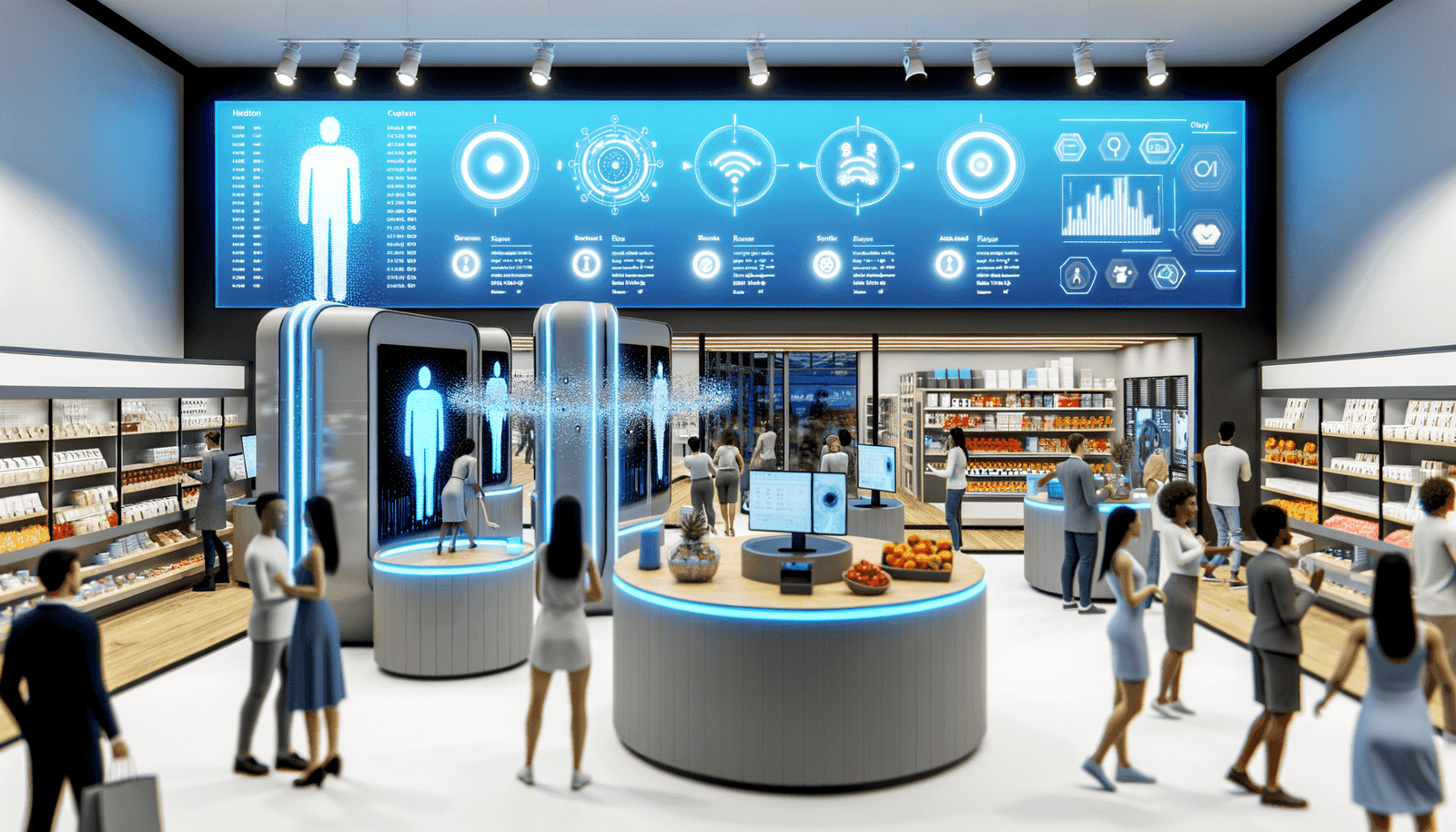
Artificial Intelligence (AI) is rapidly transforming the retail landscape, offering innovative solutions that enhance customer experiences and streamline operations. As retailers increasingly embrace this technology, the market is witnessing a significant shift in how businesses engage with consumers, manage inventory, and personalize offerings. From chatbots providing instant support to sophisticated algorithms predicting shopping trends, AI is reshaping the way retailers operate in an ever-competitive environment. This article delves into the multifaceted impact of AI on the retail market and explores its potential to drive future success.
The AI Market in Retail: An Explosion in Growth
The retail landscape is currently experiencing a seismic shift, with artificial intelligence taking center stage. The global AI in retail market is projected to reach a staggering $164 billion by 2030, according to recent market research. This figure reflects a compound annual growth rate (CAGR) of around 35% over the next several years—a growth rate that turns heads and piques curiosity in industry circles.
But what does this growth actually mean for the retail sector? It’s about more than just numbers; it’s about transforming the way businesses and consumers interact.
The Technological Backbone: What AI Brings to Retail
The integration of AI into retail is like adding a jet engine to a traditional car; it propels businesses into new realms of efficiency and customer engagement. Here are several ways that AI is making waves:
- Enhanced Customer Experiences: AI algorithms analyze customer behavior, preferences, and feedback to provide tailored offerings. Imagine walking into a store and receiving a personalized greeting or recommendation—this is no longer a distant possibility but a present-day reality.
- Inventory Management: Fresh stocks and optimal stock levels are vital for any retail business. AI solutions facilitate predictive analytics, ensuring that retailers have the right products available at the right time. No more empty shelves—or worse, overstock!
- Chatbots and Virtual Assistants: Customer support has entered a new dimension. Chatbots, powered by AI, provide 24/7 assistance, answering common queries in real time and handling a multitude of customers simultaneously.
- Dynamic Pricing: AI algorithms allow businesses to adjust prices based on various factors like demand, competition, and even weather patterns—making pricing strategies as flexible as they are intelligent.
Incorporating AI into business operations means retailers can deliver an exceptional level of convenience, ensuring customer satisfaction, and loyalty while simultaneously improving their bottom line.
Challenges in the AI Integration Journey
Of course, diving into the world of artificial intelligence isn’t without its challenges. Retailers must navigate issues like data privacy concerns, the need for robust systems integration, and change management within their organizations. These hurdles are not trivial but are manageable with careful planning and a solid strategy.
- Data Privacy: As more data becomes available, consumer privacy becomes a central issue. Retailers need to adopt stringent measures to protect sensitive information and ensure compliance with regulations.
- Integration Costs: Transitioning to AI-based systems can require a significant upfront investment, posing a financial challenge for smaller retailers.
- Change Management: Adapting to new technologies often meets resistance from employee teams accustomed to traditional processes. This necessitates thoughtful training and communication strategies aimed at fostering a culture of innovation.
The Power of Personalization
As the retail sector evolves, one aspect stands out more boldly than others—personalization. In a study published by McKinsey, 71% of consumers expect companies to deliver personalized interactions. AI is central to fulfilling this expectation, transforming the shopping experience into a customized journey tailored just for each individual.
Companies like Neyrotex.com are pioneering ways to leverage AI for personalization, using advanced algorithms to suggest when and how to pitch products to consumers. From recommendations based on past purchases to tailored marketing messages sent through various digital platforms, AI allows retailers to create a seamless experience that resonates with consumers’ preferences and passions.
Case Studies: Pioneers in Retail AI
To illustrate the seismic shift driven by AI in retail, let’s examine a few prominent players who have turned these concepts into reality:
- Amazon: Known for its relentless focus on customer experience, Amazon utilizes AI to analyze shopping patterns and offer customized product suggestions, while its Voice Assistant, Alexa, takes hands-free shopping to the next level.
- Walmart: The retail giant employs AI-powered robots for inventory management and uses predictive analytics to enhance its supply chain efficiency, ensuring that customers find their desired items in-store.
- Sephora: The cosmetics retailer uses AI to power its Virtual Artist app, allowing customers to try on makeup virtually. This not only enhances the shopping experience but also allows for personalized product recommendations based on colors and styles.
The Future Landscape: Where to Next?
The future of retail lies in the hands of technology and its ability to adapt. Here are tantalizing possibilities that await the world of retail:
- Smart Stores: Imagine stores equipped with AI solutions that can track consumer traffic patterns and even offer personalized discounts just as a customer walks through the door. The implementation of facial recognition technology could further customize the experience.
- AI and Augmented Reality (AR): Merging AI with AR could create a shopping experience that is seamless and interactive, allowing consumers to visualize products in their own homes before making a purchase.
- Sustainable Retailing: AI could play a key role in promoting sustainable practices through efficient resource management and reducing waste—all while still delighting consumers with personalized offerings.
Conclusion: Embracing the AI Revolution
As we stand on the precipice of this new era in retail, the question is not if but when retailers will fully embrace the AI revolution. The potential for innovation, customer engagement, and operational efficiency has never been higher. Established brands and newcomers alike must seize the opportunity to integrate AI into their business models innovatively.
Embracing the world of artificial intelligence means transforming consumer interactions, operational efficiencies, and even the way merchandise is delivered. With companies like Neyrotex.com at the forefront, the journey into the future is bright. The path ahead may be paved with challenges, but the potential benefits make the leap worth taking.
As the AI landscape continues to mature, retailers who can effectively harness this technology will not only adapt but thrive in the marketplace of tomorrow. Counting down to 2030, the expectation for an $164 billion AI retail market is just the beginning—it’s time to gear up and embrace this technological wave!