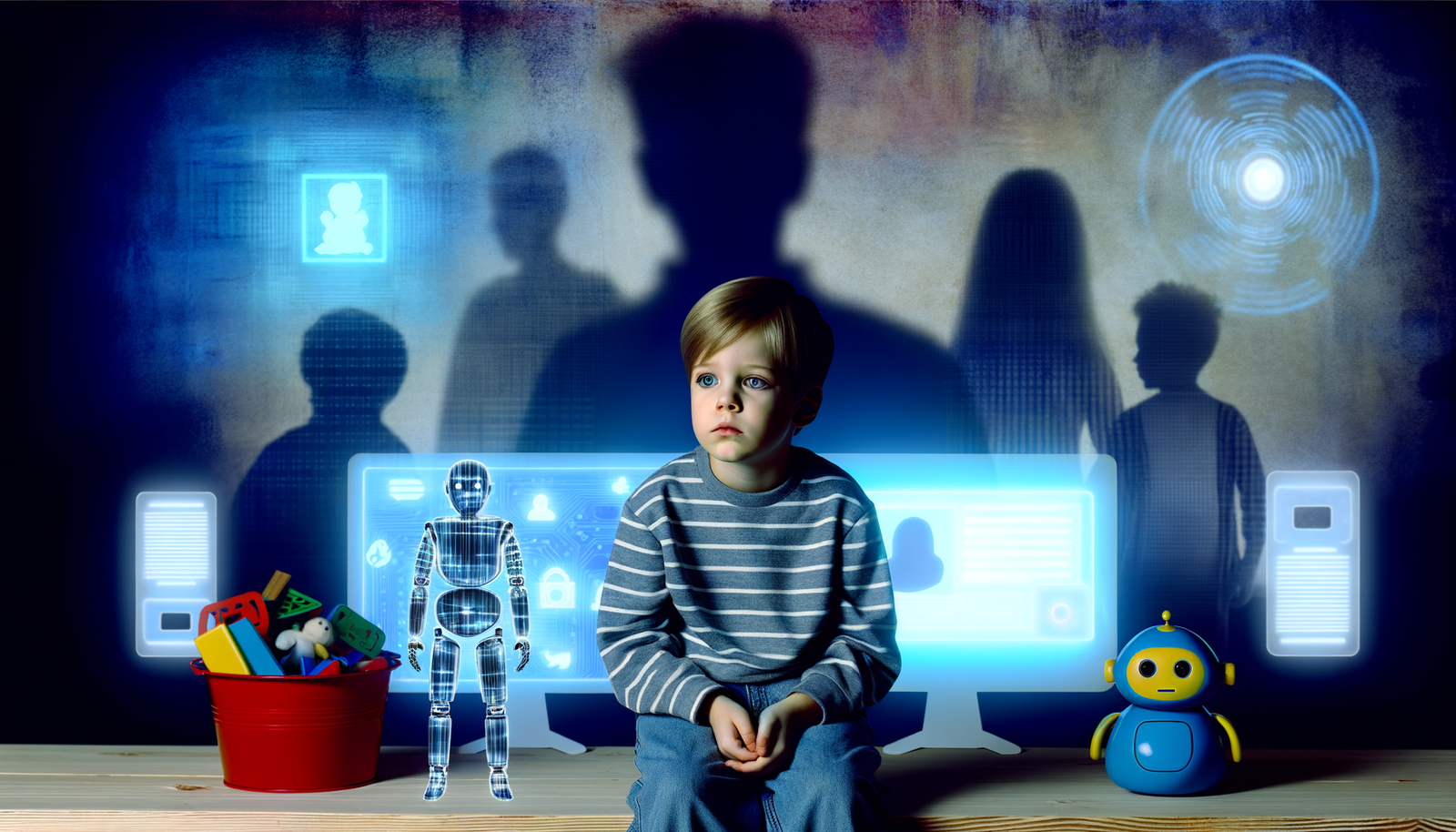
In an age where artificial intelligence increasingly permeates our daily lives, experts have uncovered a shocking relationship between AI companions, sleep deprivation, and the rising tide of mental health issues among children and adolescents. AI’s Dark Impact: Is Technology Replacing Parents and Hurting Kids? delves into how these virtual relationships can disrupt natural sleep patterns, leading to emotional and behavioral problems. As screen time surges, many worry that AI-driven interactions are taking the place of parental guidance, ultimately putting our youth at greater risk for mental health challenges. Let’s explore this concerning trend further.
Understanding the Rise of AI Companions
Artificial intelligence has become ubiquitous in our world. From chatbots answering customer inquiries to smart assistants managing our schedules, AI’s practicality is hard to ignore. However, one of the more alarming trends is the emergence of AI companions designed specifically for children and adolescents. These intelligent systems can respond to questions, play games, and even provide emotional support. But at what cost?
AI companions often masquerade as friends, but they are programmed to cater to their users’ needs without the constraints of real-life human emotions. They can provide immediate gratification with games, stories, and conversations, leading many children to form a bond with these synthetic entities. This bond, however, comes with dangerous implications.
The Impact of Screen Time on Mental Health
Doctors and psychologists are increasingly concerned about the effects of excessive screen time on young minds. According to the American Academy of Pediatrics, children aged 2 to 5 should not have more than one hour of screen time each day, while those younger should avoid screens altogether. Yet, as AI companions offer endless entertainment, this guideline is frequently ignored.
- Studies show that excessive screen time can lead to anxiety and depression.
- Children glued to screens can experience disrupted sleep patterns, affecting their overall health.
- Being engrossed in virtual interactions can hinder the development of critical social skills.
The connection between artificial intelligence and psychological distress does not end there. As children spend more time with their AI counterparts, they may start managing their emotions through their digital relationships rather than seeking help from family or friends. This trend marks a turning point in childhood development where technology begins to overshadow real human connections.
Sleep Deprivation: The Silent Epidemic
A major facet of the AI’s dark impact on kids is its role in sleep deprivation. Many children find it difficult to resist the allure of their AI friends, often keeping screens on well into the night. The blue light emitted by screens can drastically affect the body’s melatonin production, disrupting the natural sleep cycle. The consequences are serious:
- Short-term effects: Kids may experience irritability, difficulty concentrating, and fatigue.
- Long-term effects: Ongoing sleep deprivation can result in persistent mental health issues, including severe anxiety and depressive disorders.
Experts stress the importance of maintaining healthy sleep habits. Yet, when AI companions become essential to a child’s routine, these habits can quickly deteriorate. This raises critical questions: How do we balance technological advancements with the fundamental needs of our youth? And is it time to reconsider the role of technology within our homes?
The Role of Parents in the Age of AI
The crux of the matter lies in parental involvement. With more children forming connections with AI rather than their parents, the emotional distance between family members may widen. Gone are the days when family dinners were filled with discussions and bonding. Now, the dinner table often hosts a different participant: an AI chatbot, quietly entertaining the children while parents scroll through their phones.
An alarming trend is emerging. Parents are becoming increasingly reliant on AI technology to bridge the gap between their responsibilities and their children’s needs. Though technology can offer convenience, it can also lead parents to inadvertently minimize their role in their children’s emotional and social growth.
Increased Risk of Self-Harm
With the detrimental effects of AI companions well documented, one cannot overlook the devastating increase in self-harm among adolescents. Mental health professionals warn that reliance on AI for emotional support can aggravate feelings of isolation and depression, leading to tragic consequences.
Here are some stark statistics to consider:
- The CDC reported that nearly 20% of high school students have seriously considered attempting suicide.
- Self-harm without suicidal intent has significantly increased in young people, coinciding with rising screen time.
- Increased isolation due to digital relationships often exacerbates mental health issues, leading to more severe emotional crises.
Children who spend excessive time engaging with AI may ignore signs of distress in their peers and echo these harmful behaviors, mirroring their AI companions’ passive, often harmful advice.
Facing the Challenge: Solutions and Strategies
It’s clear that AI’s dark impact is a multifaceted issue requiring collective action from parents, educators, and mental health professionals. Solutions begin with open lines of communication between children and parents, fostering a healthy environment for discussions about technology usage.
- Encourage Healthy Tech Habits: Setting boundaries around screen time fosters better habits. Families can designate tech-free zones at home and engage in more offline activities.
- Promote Open Discussions: Conversations about online experiences can help children explore their relationships with AI and how it impacts their emotions.
- Make Prioritize Sleep: Establish routines that prioritize sleep hygiene, ensuring children disengage from screens at least an hour before bedtime.
- Seek Professional Guidance: If your child is exhibiting signs of distress or problematic technology use, consult a mental health professional for guidance.
Conclusion: Navigating the Future with Caution
The concerns surrounding AI’s dark impact resonate in our increasingly digital landscape. As technology continues to evolve, we must ensure that it serves as an enhancement to our lives, rather than a substitute for authentic human interaction. The future should reflect human connections that ground our children in emotional well-being, alongside technological advancements.
While we cannot turn back the clock on the rise of AI companions, we can choose how we navigate these uncharted waters. As we strive to forge robust, meaningful connections with our children, let’s ensure that technology is never a replacement for our role as parents. It is time we stand together to advocate for a balance of innovative technology and the irreplaceable value of family connections.
For those looking to explore the implications of AI on mental health further, resources such as Neyrotex.com provide valuable insights into navigating these challenges.