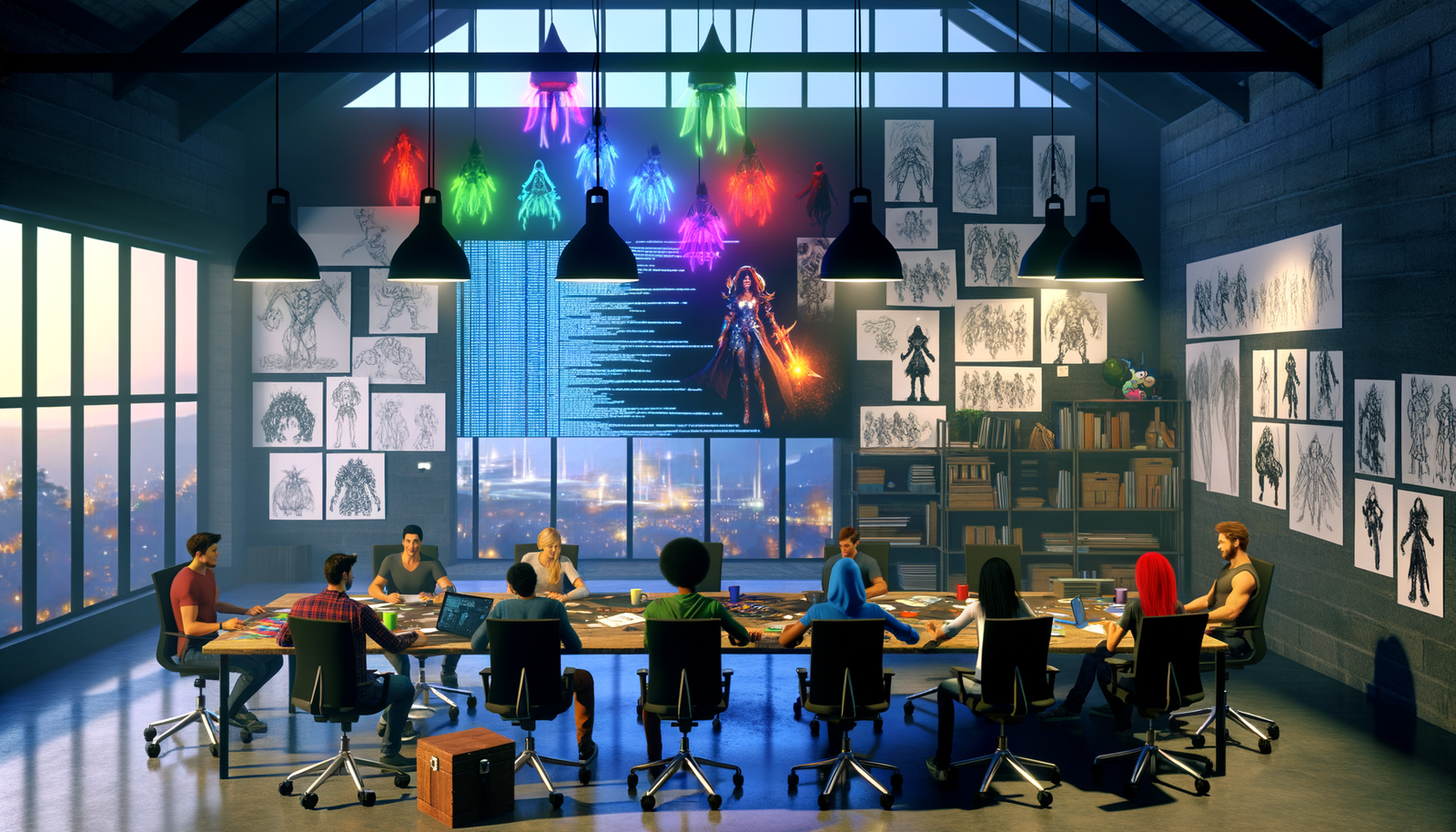
In the ever-evolving landscape of gaming, the role of artificial intelligence has sparked heated debates. A recent statement from a CD Projekt board member has shed light on this topic, emphasizing that “AI Isn’t Replacing The Witcher 5: CD Projekt Red’s Take!” The transformative power of AI tools is acknowledged, yet the company firmly believes that the essence of creativity and storytelling in games like The Witcher 5 cannot solely rely on artificial intelligence. With a commitment to preserving human artistry, CD Projekt Red is focused on delivering an authentic gaming experience that resonates with players worldwide.
AI Isn’t Replacing The Witcher 5: CD Projekt Red’s Take
As gaming fans eagerly anticipate the next installment of the iconic Witcher series, the conversation about the role of artificial intelligence (AI) seems to be at the forefront. In recent years, AI has made remarkable strides in various fields, including game development. But CD Projekt Red, the studio behind the beloved Witcher franchise, has made it clear: while AI can be a powerful tool, it won’t take the helm when it comes to creating the next chapter in Geralt of Rivia’s story.
The Human Touch in Game Development
Artificial intelligence can analyze data, make predictions, and even create some level of content, but it lacks the soul that a human developer brings. “The Witcher series has always been about deep narratives, complex characters, and immersive worlds,” said a CD Projekt board member. “These elements stem from the incredible creativity and intelligence of our team. Relying on AI to replace human creativity would be a disservice to the franchise and to our players.”
In an era where pixel-perfect graphics and expansive open worlds are the norm, it might sound shocking to state that true creativity cannot be replicated by machines. However, the experiences we cherish most in gaming are often built on personal engagement, emotional resonance, and storytelling—a realm that remains predominantly human. Developers craft narratives that resonate with players, influenced by cultural nuances and personal histories, ensuring that each experience remains unique and tailored.
The Balance of Technology and Creativity
The debate over AI’s role in gaming isn’t simply black and white. While CD Projekt Red draws a line when it comes to replacing human creativity, they do not denounce the use of AI altogether. Instead, the studio sees AI as a helpful assistant, a tool designed to enhance the creative process, rather than an overlord taking control.
Imagine having a loyal assistant whose primary function is to gather data, analyze gameplay patterns, or or suggest design tweaks based on player feedback. This can effectively save developers time and allow them to focus on the artistic elements that make games like The Witcher 5 rich in substance.
How AI Can Contribute to Game Development
So, where does AI fit into the workflow without stifling creativity? Several areas show promise for enhancement through AI:
- Player Analytics: AI can analyze player behavior, preferences, and choices, providing insights that help developers create more engaging and personalized experiences.
- Procedural Content Generation: AI technologies can assist in generating side quests, background characters, or environmental elements that enrich the game world, all while staying within the creative vision established by human designers.
- Quality Assurance: Automating playtesting with AI can help catch bugs and glitches faster than traditional methods, giving developers more time to focus on polishing the final product.
- Localization and Accessibility: AI can support in making games more accessible to diverse audiences by automatically translating scripts and adapting content for various cultural contexts.
By allowing AI to assist in these areas, CD Projekt Red can capitalize on the efficiency of technology while ensuring that the heart of their storytelling remains intact. Indeed, the blend of human creativity and AI-driven functionality may create the ultimate gaming experience, one where intricate world-building meets precise data analysis.
Cultural Sensitivity and Narrative Depth
Another critical aspect that highlights the importance of human involvement in game design is the need for cultural sensitivity and narrative depth. The Witcher series is renowned for its rich lore, dense narratives, and insightful commentary on broader societal themes. It’s this cultural discourse that resonates with fans worldwide, making the series more than just a game but rather a celebration of storytelling through diverse perspectives.
As admired narrative designer, Marcin Blacha, has pointed out, “Cultural stories are not simply algorithms; they’re woven into the fabric of human experience. Each tale unfolds uniquely depending on the storyteller.” AI may generate basic plots or dialogue, but it simply cannot match the nuanced understandings and emotional impacts of human-crafted narratives. The stakes are high—if a game fails to represent cultural elements correctly, it risks alienating an entire community and damaging the trust built between developers and players.
The Future of The Witcher Franchise
As CD Projekt Red gears up for the continued evolution of The Witcher franchise, the studio’s commitment to human creativity over AI substitution embodies its core values. The excitement surrounding The Witcher 5 is palpable, and many fans are eager for insights on what’s in store. While CD Projekt Red remains tight-lipped, one thing is certain: the game will not veer into territory where AI takes the reins. Instead, players can expect a continuation of the meticulously crafted stories and richly detailed worlds that have defined the series.
With technology advancing at a staggering pace, both developers and players must embrace the changes while not losing sight of what makes gaming personal and emotionally engaging. By hybridizing creative prowess with the efficiency of artificial intelligence, studios like CD Projekt Red strive to create experiences that captivate audiences and restore faith in the values of storytelling.
Community Engagement and Player Feedback
Another cornerstone of the Witcher series’ success is its loyal community. Fans have a strong voice in shaping the franchise, with developers openly seeking player feedback during the design process. CD Projekt Red has remained transparent with their fanbase, actively involving them in discussions and encouraging input. This approach fosters a genuine connection with the audience and helps ensure that future installments remain true to their expectations.
By nurturing community engagement, CD Projekt Red empowers players and harnesses diverse viewpoints, enhancing the creative process. This feedback loop ensures that as they weave new narratives for The Witcher 5, they’re not merely preserving legacy but actively collaborating with players to deliver something that feels as fresh as it does familiar.
The Bottom Line: Human Creativity Always Wins
The landscape of gaming continues to evolve, with innovative technologies like AI poised to enhance the development process. However, this journey reaffirms the undeniable truth that the heart of gaming lies in storytelling, creativity, and human connection. CD Projekt Red remains a bastion of this belief, steadfastly asserting that “AI Isn’t Replacing The Witcher 5.” Their commitment to maintaining a meaningful balance between technology and artistry ensures that the magic of Geralt’s adventures not only endures but thrives.
As gamers, we must embrace the capabilities of AI while firmly standing up for the irreplaceable role of human creativity in the hearts and minds of our gaming experiences. After all, it’s the unforgettable moments crafted by passionate individuals that create lasting memories.
For those eager to stay ahead in the dynamic world of gaming, don’t forget to check out Neyrotex.com for exciting updates and insights!