AI in Urban Transportation Management
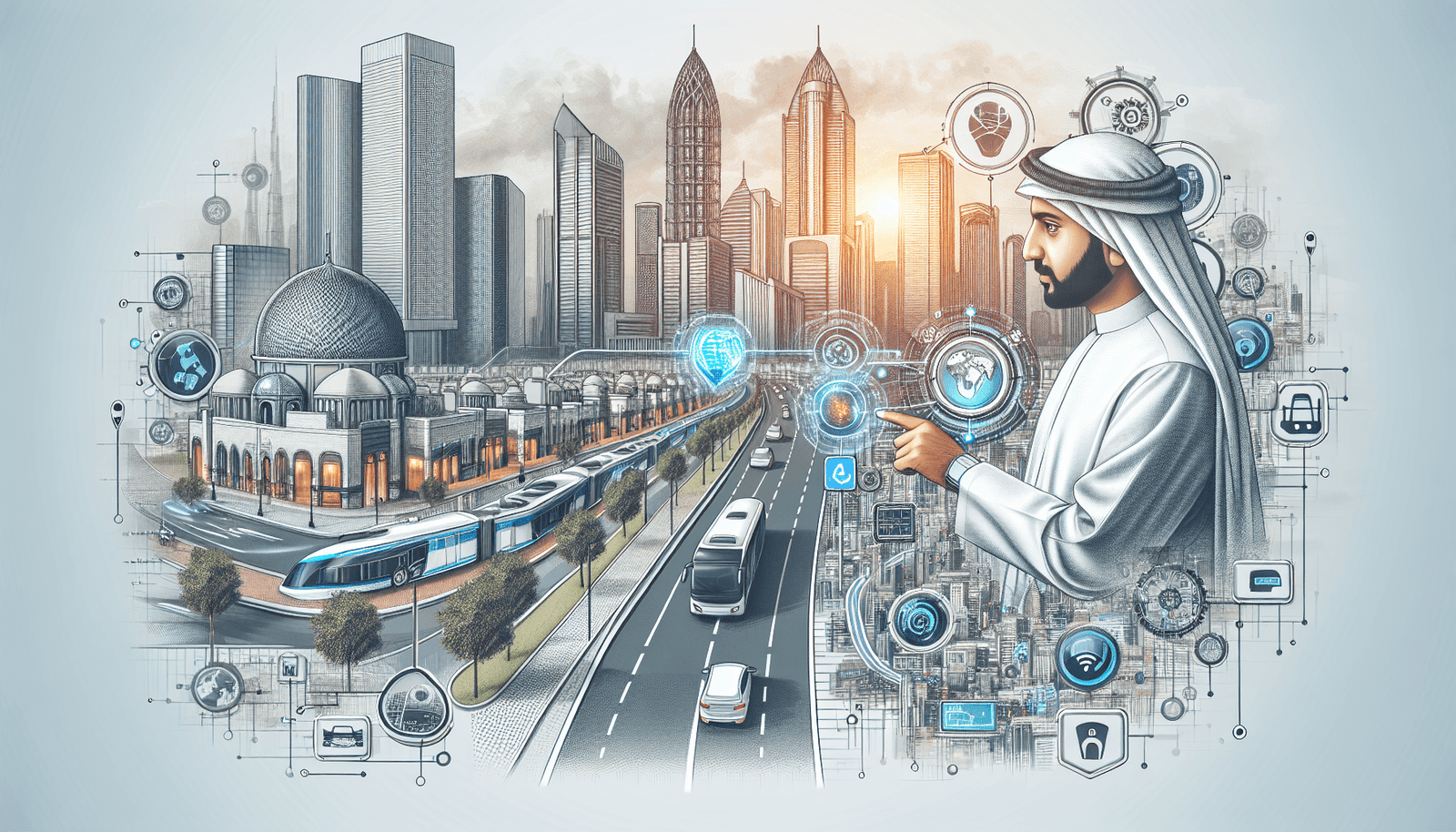
As urban populations continue to swell, the need for efficient and sustainable transportation systems becomes increasingly critical. Enter artificial intelligence (AI), a game-changer in smart transportation initiatives aimed at transforming how we navigate our cities. By harnessing advanced algorithms, AI facilitates traffic optimization, providing real-time data to manage congestion and enhance the flow of vehicles. Additionally, AI technology integrates seamlessly with public transport networks, ensuring that commuters experience reliable and timely services. In this exploration, we delve into the revolutionary impact of AI on urban transportation management and its potential to create smarter cities for the future.
The Role of AI in Traffic Optimization
AI is revolutionizing traffic management by leveraging vast amounts of data to optimize traffic flow. Here are some key ways AI is making a difference:
Real-Time Data Analysis
AI systems can analyze real-time data from various sources such as traffic cameras, sensors, and connected vehicles to predict and manage traffic congestion. For instance, the integration of AI into smart mobility platforms allows transportation stakeholders to make informed, data-driven decisions in real-time, resulting in timely actions to mitigate traffic issues.
Adaptive Traffic Signal Control
AI-powered traffic signal systems can predict vehicle and pedestrian arrivals, queues, and delays, adjusting signal timings accordingly. The City of Pittsburgh, for example, has deployed the Scalable Urban Traffic Control (Surtrac) system, a decentralized and scalable AI-powered signal control system that significantly reduces congestion and travel times.
Predictive Maintenance
AI can identify areas where maintenance is required, enabling highway departments to group work efforts and manage repairs more efficiently. By using geospatial algorithms and connected vehicle data, AI can monitor physical infrastructure to detect unsafe driving conditions such as missing or damaged roadway signs, potholes, or damaged guardrails.
Enhancing Public Transport Efficiency
AI is not just limited to road traffic; it is also transforming public transportation systems.
Optimized Schedules and Routes
AI can optimize bus and subway schedules based on real-time demand and traffic conditions. This ensures that public transport services are more reliable and efficient, reducing wait times and improving the overall commuting experience.
Automated Decision Support
AI-powered Integrated Transportation Management Systems, such as the one being developed by the Delaware Department of Transportation, enable predictive and adaptive self-monitoring of transportation systems. These systems automate operations and enhance decision-making, reducing incident detection times and improving overall system performance.
Personalized Assistance
AI-powered virtual assistants, like Amtrak’s “Julie,” help users with their queries and requests in natural conversational language. This enhances the user experience by providing quick and accurate responses, making public transportation more user-friendly.
Safety and Sustainability
AI is also playing a crucial role in enhancing safety and sustainability in urban transportation.
Proactive Incident Management
AI can predict and respond to potential incidents before they occur. For example, the University of Central Florida’s real-time crash risk visualization tool predicts road segments at the greatest risk of crashes and suggests mitigation strategies in real time.
Monitoring Driver Behavior
AI analytics can assess the mental and emotional states of drivers, identifying potential risks such as distraction or emotional instability. This can help in preventing accidents and ensuring safer roads.
Sustainable Urban Planning
AI and IoT technologies are supporting sustainable urban planning by integrating various forms of electric transportation options in central locations, known as Multimodal Mobility Hubs. These hubs reduce traffic and carbon emissions by moving parking lots from dense city centers and transforming them into living and recreational spaces.
The Future of Smart Transportation
As we move forward, the integration of AI and IoT in transportation management is expected to become even more pervasive.
Advanced AI Capabilities
The future of transportation will see more advanced AI capabilities, such as dynamic ramp metering using fuzzy logic and responsive traffic signal control with AI inferencing. These technologies will continue to evolve, making transportation systems smarter and more efficient.
Digital Twins and Urban Planning
Digital twin technologies will play a significant role in urban planning, allowing governments and stakeholders to evaluate projects holistically by running various scenarios to see real-time effects on an entire area. This will help in creating more sustainable and equitable communities.
Collaboration and Innovation
The collaboration between governments, businesses, and technology partners is crucial for advancing critical sustainability goals and shaping the next generation of transportation solutions. By working together, we can innovate and create smarter, safer, and more sustainable mobility solutions for the future.
Conclusion
The integration of AI into urban transportation management is a transformative force that is making our cities smarter, safer, and more sustainable. From optimizing traffic flow and enhancing public transport efficiency to improving safety and sustainability, AI is revolutionizing the way we move. As the AI market continues to grow, we can expect even more innovative solutions to emerge, paving the way for a smoother, greener future of transportation.
As we continue to innovate, the future of urban transportation looks brighter than ever, thanks to the power of AI. For more insights into AI-driven transportation solutions, visit Neyrotex.com.