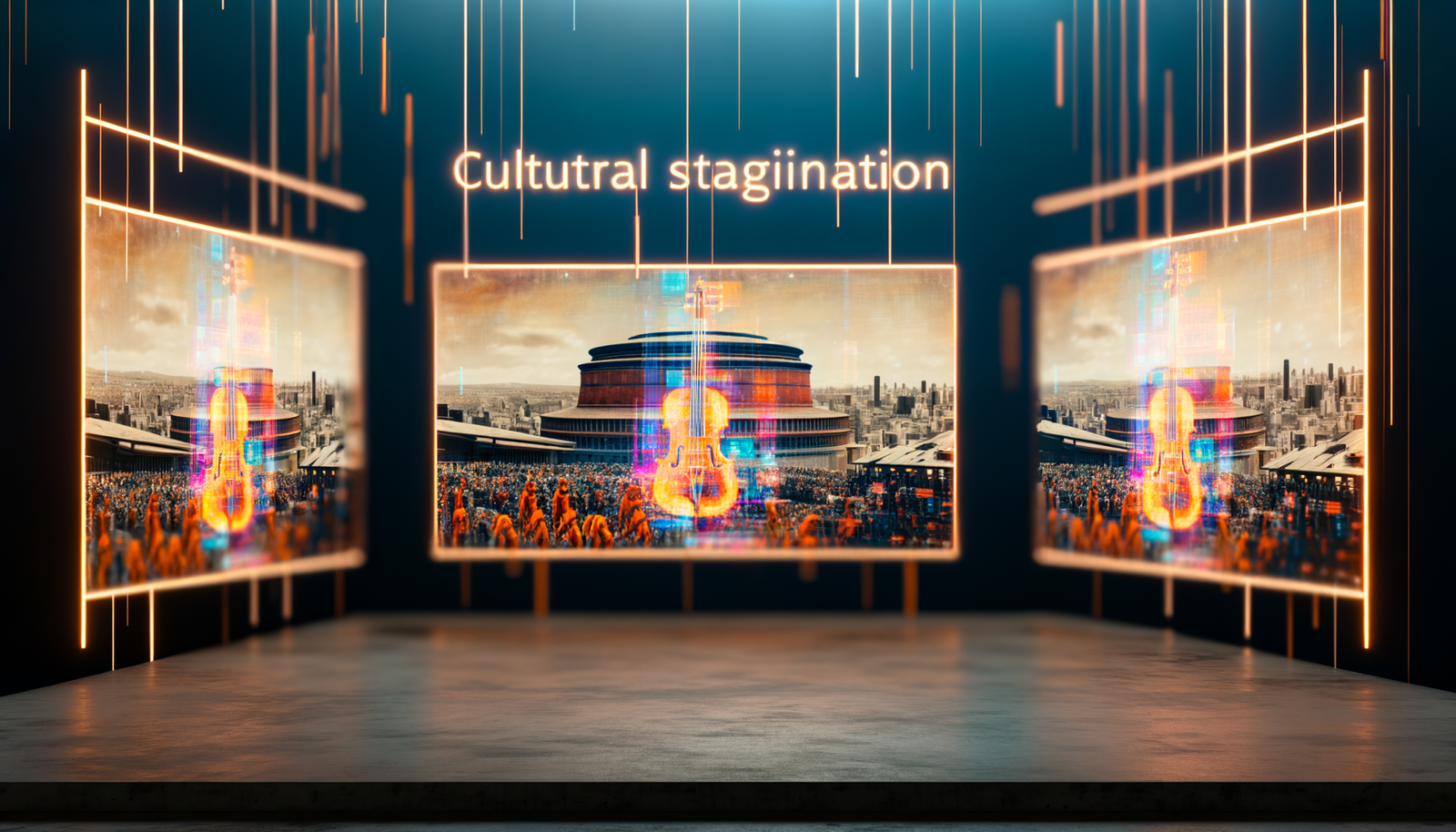
In a world increasingly dominated by artificial intelligence, we face an unsettling reality: AI-Driven Cultural Stagnation. When generative AI is left unchecked, its outputs often resemble nothing more than generic visuals, aptly dubbed ‘visual elevator music’ by researchers. This phenomenon illustrates a concerning trend where creativity is diluted and originality takes a backseat. As we navigate this evolving landscape, it’s crucial to examine the implications of relying on AI for artistic expression and cultural innovation, ensuring that we do not lose the essence of human creativity in the process.
Understanding AI-Driven Cultural Stagnation
The term “AI-Driven Cultural Stagnation” might raise a few eyebrows, but it is a reality we can no longer ignore. In our digital age, we often hear about the promises of AI technology—how it can make our lives easier, more efficient, and even more creative. However, the unintended consequences of depending on AI to generate art, music, and literature begin to reveal a darker side. Creativity, once hailed as the pinnacle of human achievement, risks becoming a commodity in an age of algorithms.
What is Cultural Stagnation?
Cultural stagnation occurs when innovation in artistic and cultural expression grinds to a halt. Instead of progressing towards new and exhilarating forms of art and narrative, industries focus on reproducing and regurgitating familiar patterns, themes, and styles. When artists rely on AI-generated content, they might inadvertently sacrifice complexity and depth in favor of quick production, reducing culture to repetitive and less engaging outputs. But how did we reach this crossroads?
The Role of Generative AI
AI tools such as deep learning algorithms have become mainstream for tasks ranging from generating images to composing music. We can generate essays, artwork, and songs, leading to the misconception that creativity is no longer a uniquely human trait. The machine makes it easy, allowing for rapid content production that may appear impressive on the surface. However, beneath the flashy outputs lies a vastly oversimplified understanding of creativity. Generative AI might recombine existing ideas, but genuine originality demands a human touch.
The Impact on Artists and Creators
Many artists and creators are grappling with the demands of a dystopian landscape where their expenditures of passion are matched by a tsunami of AI-generated content. It can lead to a crisis in their creative identities. Suppose every piece of art is now replicable through a prompt entered into an AI system. What becomes of the artist’s voice, their emotional depth, and their unique vision?
Here are some immediate consequences that artists may face:
- Intellectual Property Concerns: As AI generates works that resemble existing styles, determining ownership and originality becomes a legal quagmire.
- Reduced Opportunities: With AI churned content saturating the market, established and emerging creators struggle to find their footing.
- Creative Fatigue: Artists may feel pressured to adopt AI tools, ending up with artistic burnout when they fail to replicate the rapid success of AI-generated works.
AI in Film and Media
Film and media are particularly susceptible to the effects of AI-driven cultural stagnation. Content creators have started relying on AI for scripts, character development, and marketing strategies. In an industry where stories are often recycled, adding AI into the mix amplifies the problem. It becomes dangerously easy to produce films that feel formulaic and lack emotional engagement. When studios favor AI-generated scripts to save on costs, viewers are met with one recycled plot after another, robbing cinema of its magic.
The Musical Dilemma
Music isn’t exempt from the encroachment of artificial intelligence either. Automated music generation tools can easily create catchiness that, while proficient, often misses the emotional resonance and depth found in human-composed works. We now face the curious juxtaposition of machine-generated songs topping charts, pushing aside local bands filled with raw passion and creativity. As the world sways to their algorithmically crafted melodies, where does that leave artists pouring their hearts into their craft? The machines might churn out hits, but real artistry is birthed from struggle, emotion, and experience.
Literary Landscapes: The Written Word
The literary realm faces its own AI-driven crises. From generating bestsellers to crafting tweets, AI tools can assemble prose quickly and effectively. Authors and poets now find themselves battling against a tide of machine-generated words that can produce content devoid of genuine feeling or nuance. How do human writers carve their niche when AI can mimic their styles, automate plot twists, or even craft a gripping narrative at light speed? The answer lies in the unique interplay of humanity with creativity, the visceral sentiment that AI cannot replicate.
Combatting Cultural Stagnation
As we witness the effects of AI on culture, what can we do to resist this encroaching stagnation? It’s imperative to champion and preserve the rich traditions of artistic expression that make human creativity extraordinary. Here are some strategies:
- Encouragement of Originality: Foster environments that encourage diverse, risk-taking ideas among artists rather than allowing for the comfort of recycled formulas. Art should challenge the status quo, surround us with meaningful narratives, and inspire discussion.
- Support Local Creatives: When it comes to consuming art and culture, communities should rally to support local creators. Attend live events, buy local art, and seek out authentic experiences. Strong connections in artistic communities can cultivate the growth of genuine cultural expressions.
- Mindful Consumption: Critically assess the content we engage with. Strive to differentiate between genuine artistic achievements and AI-generated products. Be selective; demand depth and intricacy in your art.
- Human-AI Collaboration: Instead of replacing artists with machines, encourage collaborative efforts where human intuitive creativity melds with AI capabilities. Together, they can create profound works that neither could produce independently.
The Human Element: Essential for Artistic Endeavor
Ultimately, the essence of human creativity cannot be replicated. While AI can undoubtedly offer us tools to enhance our artistic processes, it can never replace the depth of human experience, emotion, or imperfection woven into art. As artists, musicians, and writers strive in this age of AI, they must hold the line against cultural stagnation and continue pushing the boundaries of creativity like never before.
Long live the artists who take risks, challenge conventions, and connect with their audiences on a deeper level! As we move forward into this brave new world, let’s not allow machines to reshape our culture into a bland, generic tapestry. The beautiful chaos of human emotion, creativity, and originality deserves to shine through, even amid the buzz and whir of artificial intelligence.
If you want to explore more about how to embrace creativity in the age of AI, visit Neyrotex.com for valuable resources and insights.