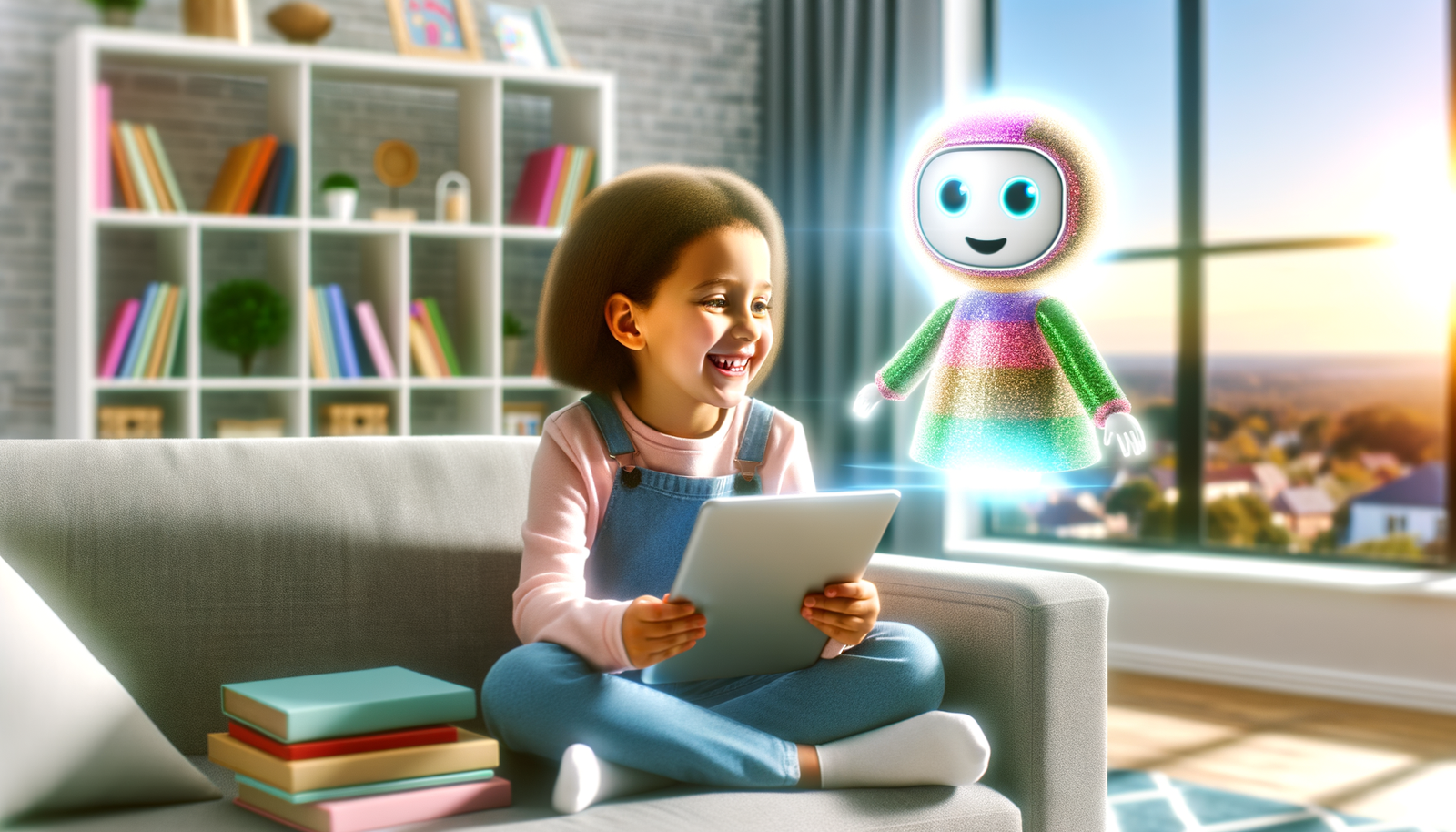
As technology continues to evolve, a growing majority of teenagers are engaging with AI companions, often without their parents’ awareness. While these interactions can be playful and engaging, they also raise significant concerns. AI Chatbot Poses Hidden Dangers: A Parent’s Nightmare Unveiled, highlighting the potential risks associated with these digital relationships. Many parents remain oblivious to the nuances of their teens’ online lives, leaving them vulnerable to misinformation, emotional manipulation, and inappropriate content. Understanding this digital shift is essential for parents aiming to protect their children in an increasingly complex technological landscape.
Unpacking the AI Companion Phenomenon
Picture this: your teenager sitting in their room, earbuds in, laughing and chatting with what seems to be an innocuous chatbot. Initially, it may look harmless, perhaps even endearing—as if your child has found a new friend. However, beneath this wholesome exterior lies a digital landscape riddled with potential perils. AI chatbots have carved out a niche in our digital culture, functioning as not only conversational partners but also emotional support systems for children and teens. They are designed to respond to personal experiences and emotions, creating an illusion of companionship that can be profoundly compelling.
How AI Chatbots Work and Their Drawbacks
AI chatbots operate through complex algorithms and vast repositories of data that allow them to imitate human conversation. They can adapt to the user’s personality over time, often making them seem incredibly lifelike. However, this adaptability can be a double-edged sword. What makes these programs appealing also raises significant red flags:
- Misinformation: AI chatbots often generate responses based on learned data, which can include inaccuracies and misleading information.
- Emotional Manipulation: By mimicking emotional support, chatbots can inadvertently influence a child’s emotional state, impacting their mental health.
- Inappropriate Content: Depending on their programming and training data, chatbots may introduce users to inappropriate or harmful topics.
In essence, while these chatbots can provide comfort and seemingly genuine interaction, they often lack the wisdom and ethical grounding that humans possess—leading to several potential hidden dangers for your teens.
The Emotional Consequence: The Insidious Attachment
One of the more unsettling aspects is how easily children can develop an emotional attachment to their AI companions. Research reveals that teenagers often find it easier to open up to a chatbot rather than a human, believing that this anonymity shields them from judgment. While this may initially seem like a benign release for pent up feelings, it raises a slew of emotional dilemmas:
- Dependency: When teens rely heavily on these chatbots for emotional support, they may become less equipped to handle real-life human interactions and relationships.
- Reality Distortion: Over time, the line between friendly advice and manipulative guidance can blur, leading teens to trust an AI’s opinions more than those of their parents or friends.
- Isolation: In their quest for validation from AI companions, teenagers may inadvertently isolate themselves from meaningful connections with family and friends.
As parents, you might find yourselves asking: how can we combat this insidious attachment? The answer is multifaceted, focusing not only on education but on fostering open conversations with your kids about their online interactions.
The Digital Parenting Dilemma
One central issue remains: the digital parenting dilemma. Navigating this new landscape can feel like walking a tightrope. On one side, parents must respect their teen’s independence and privacy. On the other side, they must remain vigilant, aware of the potential hazards lurking in the shadows of online interactions. The key lies in fostering an environment that promotes open communication. Here are some actionable strategies:
- Educate Yourself: Familiarize yourself with the chatbot your child is using, understanding how it works and what it offers.
- Encourage Conversations: Initiate dialogues about their online experiences. Ask open-ended questions to help them articulate their feelings about their experiences with chatbots.
- Set Boundaries: Establish clear guidelines regarding when and how chatbots can be used, including time limits to reduce dependence.
- Promote Healthy Relationships: Encourage your child to maintain real-life friendships and support systems, reminding them of the value of face-to-face interactions.
By taking these steps, you can guide your teens toward healthier interactions with technology while also maintaining your role as a supportive ally rather than an authoritarian figure.
The Dark Side of AI Companionship: Hidden Risks
AI chatbot interaction doesn’t just pose emotional risks; it can open gateways to darker issues. Let’s explore some alarming hidden risks associated with these otherwise fun interactions:
- Data Privacy: Many chatbots collect data to improve their service. This can include sensitive information that might be misused if it falls into the wrong hands.
- Grooming Risks: In some cases, poorly monitored chatbots may be used by predators to groom or manipulate vulnerable teens.
- Exposure to Harmful Ideologies: If configured improperly, chatbots can spew hate speech or radical ideologies, potentially affecting impressionable minds.
These concerns underline the importance of ongoing research and robust safety measures within AI platforms. Parents and developers alike must work together to bolster the security and emotional integrity of these digital spaces.
What Can Developers Do?
Let’s not throw all AI chatbots under the bus. Many developers are acutely aware of these issues and are actively pursuing solutions. Here are some avenues they’re exploring to enhance user safety:
- Implementing Security Protocols: Developers are investing in robust encryption and data protection measures to safeguard user information.
- Regular Audits: They are conducting full-fledged audits on chatbot interactions to ensure compliance with safety standards and ethical norms.
- User Reporting Features: Enabling options for users to report inappropriate encounters helps create a safer environment.
Such measures aim to build a digital landscape where children can safely explore AI companionship while minimizing risks.
Raising Informed Future Generations
At the end of the day, fostering informed generations goes beyond merely controlling access to technology. It’s about teaching our children to cultivate their emotional intelligence while navigating the digital universe. The same way we equip them with knowledge about physical safety—by teaching them to look both ways before crossing the street—we must instill in them critical thinking skills regarding their online journeys.
As we approach this new frontier of social interaction, we owe it to our children to clarify boundaries, set expectations, and teach them the art of maintaining digital well-being.
Conclusion: A Collaborative Approach to Safety
In the age of digital companionship, the responsibility of safeguarding young minds is a shared endeavor—one that involves parents, developers, and society at large. As AI chatbots weave their way into the fabric of our daily lives, vigilance must remain at the forefront. Remember, while these AI companions can play a fascinating role in your child’s exploration of technology and companionship, it’s crucial to frequently check in and keep the lines of communication open. Together, we can nurture a generation that thrives not only on technology but also on authentic human connections.
For more insights on understanding technology and developing healthy habits, explore Neyrotex.com.