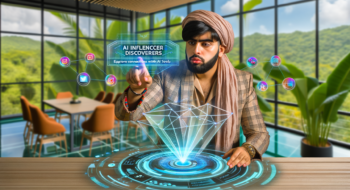
In the dynamic world of storytelling, AI-based animation emerges as a transformative tool that enriches both entertainment and marketing projects. This cutting-edge technology breathes life into concepts swiftly and cost-effectively, enabling designers to automate essential elements like motion tracking, facial expressions, and background generation. By leveraging AI-based animation, creative teams can streamline their workflows while maintaining artistic control, resulting in engaging narratives that captivate viewers. The immersive visuals and fluid movements crafted through this advanced technique not only enhance storytelling but also redefine audience experiences in ways never before imagined.
AI-Driven Animation Tools: Enhancing Creativity with Technology
AI-driven animation tools have revolutionized the animation industry by providing creators with powerful resources to streamline their workflows and enhance their creative output. These tools leverage advanced algorithms and machine learning techniques to automate various aspects of animation production, allowing artists to focus on their vision rather than tedious tasks. The integration of AI into the creative process signifies a notable shift in how animations are conceptualized and produced, enabling a synergy between technology and artistry that has reshaped the landscape of digital content creation.
Automated Animation Generation
AI tools can generate animations based on user inputs, significantly reducing the time required for manual animation. This feature is particularly useful for creating complex sequences that would otherwise take hours to animate. For instance, tools like those described on Restack.io can generate animations based on predefined rules, allowing for more dynamic and responsive character movements. Such automation not only expedites the production process but also empowers creators to experiment with more intricate ideas, ultimately leading to higher quality outputs that resonate with audiences.
Character Rigging and Motion Capture
Many AI animation tools offer automated rigging solutions, allowing users to easily create skeletal structures for their characters. Additionally, motion capture technology can be integrated to bring realistic movements to animated characters. AI can analyze motion capture data to create more realistic animations by understanding human movement patterns, enhancing the overall authenticity of the animation. Such advancements democratize access to professional-grade animation techniques, enabling budding animators and small studios to achieve results that previously required extensive expertise and resources.
Style Transfer
AI can apply different artistic styles to animations, enabling creators to experiment with various visual aesthetics without needing extensive artistic skills. This feature allows for a wide range of creative possibilities, from traditional cartoon styles to more modern and abstract designs. This versatility encourages experimentation, allowing creators to quickly pivot between styles, test diverse approaches, and ultimately find the perfect visual language for their narratives, setting a new standard for creativity within the medium.
Benefits of Using AI for Animation Video Creation
Increased Efficiency
By automating repetitive tasks, AI tools allow animators to complete projects faster, freeing up time for more creative endeavors. This efficiency is crucial in both entertainment and marketing, where deadlines are often tight and the need for high-quality content is constant. The reduction in time spent on mundane tasks allows creative teams to focus on refining their narratives and developing more innovative visual concepts, thus enhancing the overall production value of their projects.
Enhanced Creativity
With AI handling technical aspects, artists can explore new ideas and push the boundaries of their creativity. AI supports the creative side of video production by helping brainstorm scripts and video concepts while analyzing engagement data to improve future content. This ability to adapt and innovate based on data insights not only enhances the storytelling quality but also caters to viewer preferences, leading to more engaging and lucrative content creation strategies.
Cost-Effective Solutions
AI-driven tools can reduce the need for large teams, making high-quality animation more accessible to independent creators and small studios. This cost-effectiveness is a significant advantage, especially for marketers who need to produce a high volume of content without breaking the bank. By lowering the barriers to entry, AI not only creates opportunities for smaller players to thrive but also nurtures a diverse creative ecosystem that can contribute to richer storytelling across various platforms.
Real-Time Animation Adaptation and Personalization
Dynamic Content Generation
AI systems can analyze user interactions and environmental variables to generate content that adapts in real-time. This capability fosters deeper connections between users and digital interfaces, enhancing the overall experience. For example, in the context of video marketing, AI can create customized video content for each person based on their demographics and watching habits, leading to better engagement and stronger audience connections. Interactive experiences enhanced by AI not only captivate viewers but also encourage longer engagement times and increased brand loyalty.
User-Centric Design
By focusing on user inputs, AI can tailor animations to reflect the unique preferences of each viewer, making the experience more immersive and enjoyable. This personalized approach is particularly effective in marketing, where targeted content can significantly boost engagement and conversion rates. The combination of data-driven insights and creative animation techniques results in content that truly resonates with audiences, providing value beyond traditional content forms.
Integration of AI in Animation Workflows
The integration of AI into animation workflows can significantly improve efficiency and creativity. Tools like Unity’s Cinemachine and Cinecast allow creators to automate complex camera movements and editing processes, enabling a more fluid storytelling experience. This is particularly beneficial in scenarios such as live sports broadcasting, where multiple camera angles can be managed seamlessly, creating dynamic presentations that engage viewers more effectively and provide a polished final product that stands out in a competitive media landscape.
Automated Filmmaking
These tools act as virtual filmmakers, utilizing AI to edit and produce storylines based on real-time inputs from users. This not only saves time but also enhances the storytelling aspect by providing a more engaging narrative. AI can create content in real-time from visual symbolic data, merging production and post-production workflows for a more cohesive and efficient creative process. This fusion of automation and creativity paves the way for innovative storytelling techniques that redefine viewer interactions with media.
Streamlining Asset Management and Rendering Efficiency
Automated Tagging and Version Control
AI can assist in managing vast libraries of assets by utilizing machine learning algorithms to categorize and tag assets automatically. This makes asset retrieval more efficient and reduces the likelihood of errors in asset usage. Additionally, AI tools can help track changes in assets, ensuring that the latest versions are always accessible. This streamlined management not only enhances productivity but also safeguards the integrity of projects by ensuring that creators work with the most current and relevant materials throughout the creative process.
Smart Rendering and Denoising Techniques
Rendering is often one of the most time-consuming aspects of VFX production. AI can optimize rendering processes by predicting the best settings and configurations based on previous projects. AI-based denoising tools can clean up rendered images in real-time, allowing for faster iterations and feedback. This results in a more responsive workflow where creators can quickly adapt to changes, refine their visuals, and enhance quality without sacrificing efficiency, thereby maintaining a competitive edge in the fast-paced animation industry.
Practical Applications of AI-Based Animation
From Image to Video: Deevid AI’s Magic
Deevid AI’s image-to-video feature is a prime example of how AI can transform static visuals into engaging animated videos. This tool is beneficial for various industries, including e-commerce, where product images can be turned into compelling promotional videos, and education, where teachers can turn educational images and infographics into dynamic explainer videos. By bridging the gap between static imagery and engaging video content, Deevid AI empowers content creators to enhance their storytelling and marketing strategies effectively.
Content Creators and Marketers
Social media influencers and marketers can use AI-powered animations to enhance their posts and improve engagement. AI supports the creative side of video production by helping brainstorm scripts and video concepts while analyzing engagement data to improve future content. This combination of AI assistance and data insights helps creators make smarter choices and produce more effective content. Harnessing AI allows brands to stay relevant by adapting quickly to shifting trends, making content creation more impactful than ever before.
Balancing Automation and Authenticity
While AI brings powerful capabilities to video creation, it is crucial to maintain a brand’s authentic voice. The key is finding the right mix between automation and human touch. Too much automation can make content feel generic and impersonal, which can detract from the overall impact of the message. By combining AI-powered insights with compelling storytelling, creators can ensure that their content resonates with their target audience without losing its authenticity. This balance maximizes the effectiveness of both the technology