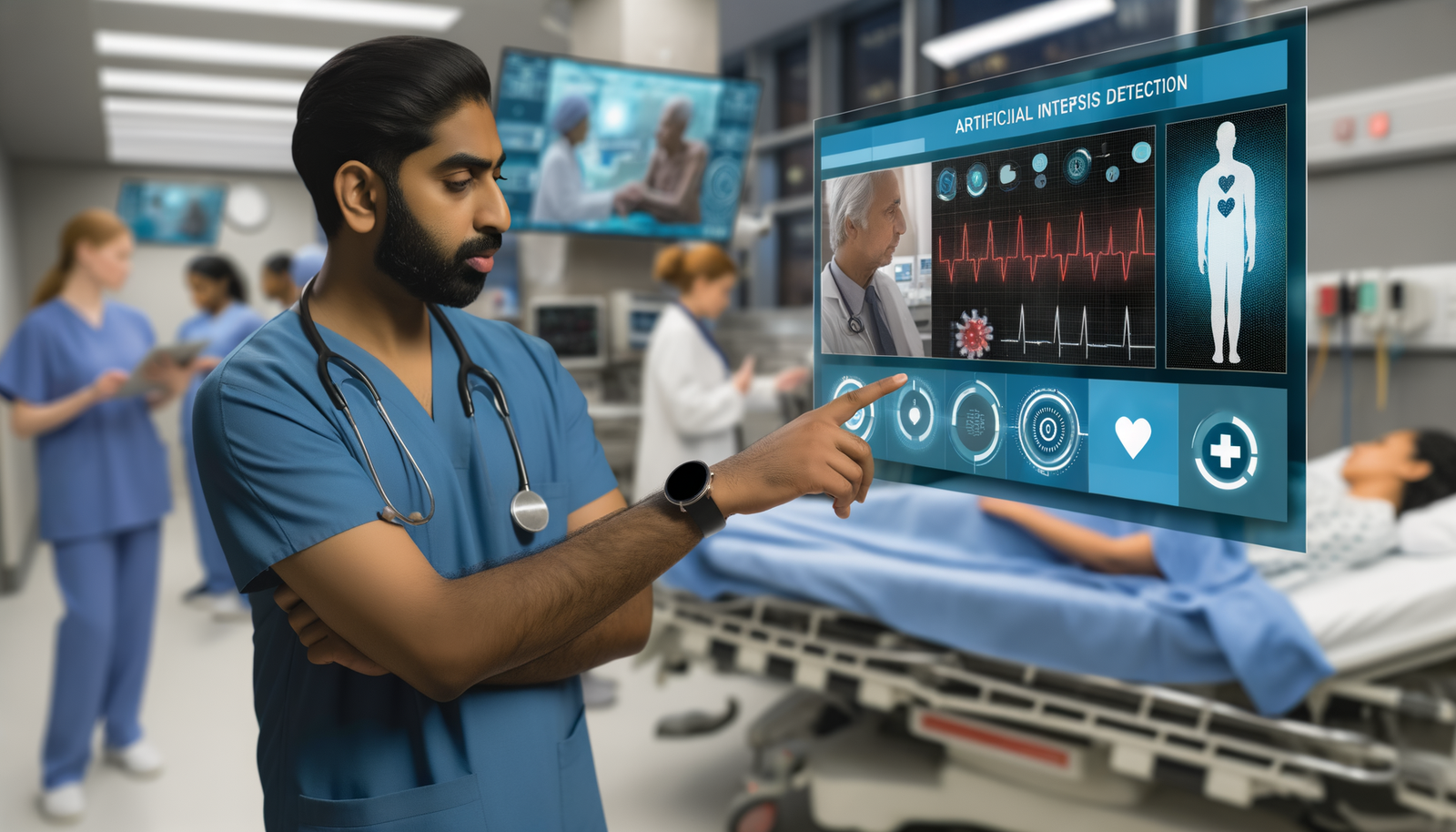
As new AI models for predicting sepsis hit the market, the conversation intensifies around their potential impact on healthcare. Experts argue in the upcoming “Sepsis Algorithms Showdown: Why Performance Isn’t Enough!” that merely demonstrating superior performance isn’t sufficient for hospitals to adopt these technologies. Factors such as ease of integration, cost, and training play critical roles in the decision-making process. As the alarming rates of sepsis-related complications loom over healthcare providers, understanding the nuances of these AI solutions becomes essential to ensure not just innovation, but also effective implementation in clinical settings.
Unpacking the Sepsis Algorithms Showdown
Sepsis—a term dreaded by both patients and healthcare professionals alike—is a ruthless condition that can escalate quickly from a mild infection to a life-threatening emergency. In this modern era of medicine, where technology reigns supreme, AI algorithms designed to predict sepsis are emerging like superheroes—a surefire way to catch this silent killer before it wreaks havoc. However, as the saying goes, with great power comes great responsibility. The recent emergence of various startups with cutting-edge sepsis detection algorithms raises a salient question: Is better performance enough to secure a spot in the healthcare ecosystem’s ever-evolving landscape?
The Evolving Landscape of Sepsis Detection
Sepsis algorithms have gained traction as healthcare providers seek more effective ways to combat this fatal condition. However, several points complicate their widespread adoption. There’s a plethora of startups, each touting promising results from clinical trials, presenting a veritable buffet of options for hospitals. Yet, what many don’t realize is that for hospitals, the choice isn’t solely about which technology performs best; it’s about which technology can be seamlessly integrated into existing workflows.
The Complexity of Integration
One of the significant challenges that hospitals face is integrating new technology into their existing systems. Epic Systems, one of the largest providers of electronic health records (EHR), has become a formidable player in this arena. Many hospitals already have Epic’s systems in place, making it crucial for startups to align their algorithms within these frameworks. Simply put, compatibility with Epic Systems could potentially be the golden ticket for startups in the sepsis detection space. If technology requires excessive training or drastic changes to a hospital’s existing IT infrastructure, providers may resist using it, regardless of its performance capabilities. Several factors play into this dynamic:
- Seamlessness of Integration: Will the algorithm function well alongside existing systems?
- Interoperability: Can the new tech freely exchange information with current applications?
- Speed of Implementation: How quickly can a hospital go from adoption to actual use?
The Financial Facet
Every decision made in the healthcare ecosystem is laden with financial implications. Hospitals, especially in a post-pandemic world, are vigilant about expenses. The cost of implementing new technology isn’t just the price tag attached to the software itself; there are expenses entangled with staff training, system integration, and long-term maintenance. Startups must not only offer superior algorithms for sepsis detection but must also ensure that their business model is financially tempting. The financial considerations include:
- Licensing Fees: What are the costs associated with using the algorithm?
- Training Costs: How much time and money need to be invested in training staff?
- Long-Term Value: Does the algorithm promise a cost-effective reduction in sepsis complications?
Validating the Output
Can the data be trusted? This question is crucial for sepsis detection algorithms. According to a report by Stat News, many of the algorithms developed by startups are trained on specific datasets. Thus, the efficacy of the technology may falter when faced with the diverse and chaotic patient population of hospital settings. While an algorithm may excel in a controlled clinical trial, will it hold up in the real world? Ensuring that these algorithms can accurately predict sepsis in a variety of demographic and clinical environments is essential.
Real-World Applications vs. Lab Results
It’s vital for healthcare providers to know whether an algorithm is validated in a real-world setting. Performance data often shows an algorithm’s accuracy in an ideal environment, but hospitals are messy—to put it mildly. They deal with:
- Varying patient conditions
- Diverse health records
- Inconsistent staffing
To weather the storm, the algorithm should demonstrate robust performance across a broad spectrum of scenarios. Hospitals will need thorough validation evidence to gain confidence in these algorithms, proving they won’t fail when called upon.
The Human Touch
While technology can offer incredible capabilities, the human element cannot be sidelined in the sepsis algorithms showdown. Clinical staff will undoubtedly play an essential role in interpreting AI recommendations. This means that the success of even the most robust algorithm hinges on the readiness of healthcare professionals to integrate AI insights into their decision-making processes. Hospitals must ensure that their staff feels comfortable using these algorithms and trusts the data they provide. Key considerations include:
- Training Programs: What resources are available for staff training and ongoing support?
- Psychological Readiness: Are healthcare professionals open to collaborating with AI technologies?
- Feedback Mechanisms: Is there a structured way for staff to provide feedback on their experiences with the new technology?
The Path Forward
In the grand scheme of things, the sepsis algorithms showdown underscores the pressing necessity for a holistic approach when integrating AI in healthcare settings. Adopting new technology must not simply be about superior performance; it must mean finding a symbiotic relationship between machines and humans. Only then can we unlock the potential for better healthcare outcomes for those at risk of sepsis.
Conclusion: Navigating the Future
As we stand on the cusp of technological advancement in the realm of sepsis detection, it’s essential to remember that while performance is an important metric, it’s only the tip of the iceberg in convincing hospitals to adopt new innovations. With concerns around integration, cost, real-world applicability, and the human element prevailing, the decision-making process encompasses far more than just a few statistics. As the industry races towards optimum solutions, collaboration between algorithm developers, healthcare providers, and clinical staff can pave the way for meaningful implementation of technology that truly makes a difference in the battle against sepsis.
For more information and insights into sepsis algorithms and their impact on healthcare, feel free to explore Neyrotex.com.