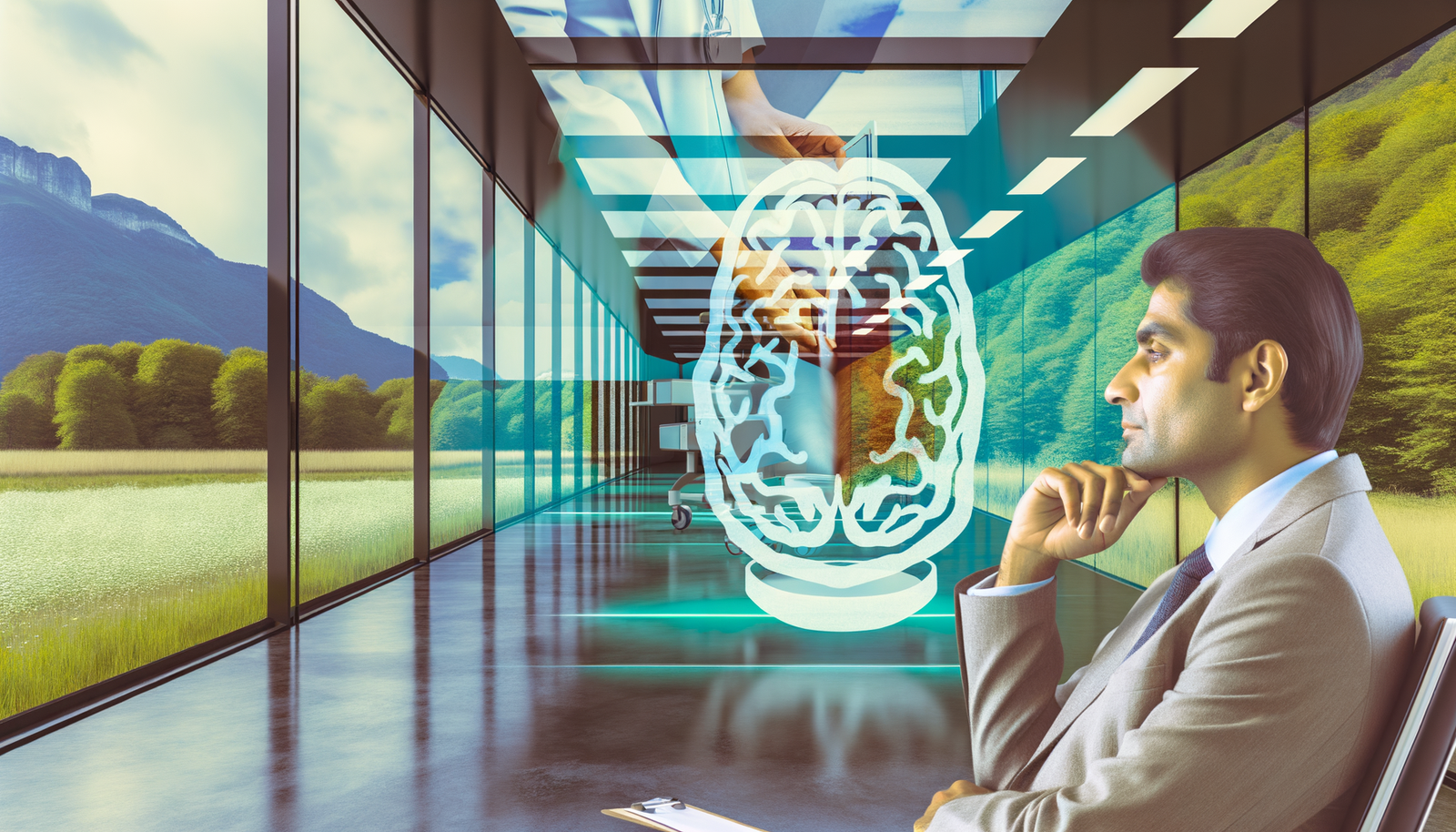
Swiss scientists are on the brink of a breakthrough that could transform the landscape of mental health treatment. With the innovative use of brain scans, they believe they can revolutionize mental health care, offering new hope for those struggling with various mental illnesses. By combining advanced imaging techniques with psychiatric evaluation, this approach aims to provide personalized treatment plans tailored to individual neurobiological profiles. As research progresses, the potential for brain scans in understanding and addressing mental health issues may pave the way for more effective interventions, making significant strides in psychiatry for better patient outcomes.
Understanding the Intersection of Brain Scans and Psychiatry
The realm of psychiatry has long been an enigmatic domain, often clouded with uncertainty and subjective interpretations. Historically, diagnosing mental illnesses relied heavily on patient interviews and symptom checklists, leading to a one-size-fits-all approach in treatment plans. This conventional method can sometimes feel more like throwing darts blindfolded, where the target is the elusive nature of the human mind. Now, there’s a transformative approach on the horizon—a combination of neuroscience and psychiatry that is about to change the way we perceive mental health. Brain scans are emerging as integral tools for creating personalized interventions that are informed by tangible biological data.
A Closer Look at Brain Scans
Brain scans, specifically through techniques such as functional magnetic resonance imaging (fMRI) and positron emission tomography (PET), provide a window into our neurobiological processes. While once primarily reserved for understanding neurological disorders, these imaging techniques are now being harnessed in the psychiatric field to unveil the intricate workings of the mind. But how exactly do they contribute to mental health diagnostics?
- Visualization of Brain Activity: Brain scans can show how different areas of the brain activate in response to different stimuli. For instance, they reveal patterns of activity that correlate with emotions, behaviors, and thought processes.
- Identifying Neural Correlates: These imaging tools can identify biomarkers for specific mental disorders, such as depression or anxiety, providing clearer insights into each individual’s unique diagnosis.
- Guiding Treatment Plans: When combined with genetic and psychological assessments, brain scans assist physicians in developing targeted approaches that consider an individual’s brain structure and function.
The Swiss Initiative in Personalized Mental Health Care
In Geneva, a groundbreaking initiative led by Swiss researchers aims to utilize these advanced imaging techniques within the realm of psychiatry. The program is not just academic; it represents a commitment to real-world application of neuroscience in enhancing mental health care. By developing precision psychiatry approaches, these scientists are working to tailor treatment plans like never before.
The Power of Precision Psychiatry
So, what is precision psychiatry? It encompasses an understanding that mental illness does not manifest uniformly. This new paradigm acknowledges that each individual’s brain is uniquely wired, which influences how they respond to various treatments or therapies. The implications are profound: instead of a generalized medication strategy, patients may receive personalized recommendations based on their distinct neurobiological makeup.
Adopting a Comprehensive Approach
In precision psychiatry, brain scans become vital components of a holistic strategy, which intertwines medical history, genetics, and environmental factors. Here’s how it works:
- Clinical Assessment: Patients undergo thorough evaluations that encompass medical, familial, and psychological histories.
- Brain Imaging: Advanced brain scans are administered to analyze brain function and structure.
- Tailored Treatment Plans: Based on collected data, personalized interventions, which may include medications, therapy options, or alternative treatments, are recommended.
Benefits and Challenges of Utilizing Brain Scans in Psychiatry
As exciting as this venture into brain scans and mental health may be, it is essential to recognize both the potential benefits and challenges that come along with it.
Benefits:
- Enhanced Understanding: Patients and clinicians alike gain a clearer understanding of mental health conditions through objective data, which can transform the patient experience.
- Improved Outcomes: Personalized treatment plans powered by detailed insights can lead to better response rates and improved overall well-being.
- Innovative Research Opportunities: These advancements have the potential to spark research into previously unexplored areas of mental health, from neurobiological connectors to furthering understanding of treatment mechanisms.
Challenges:
- Cost and Accessibility: Brain scans can be expensive, raising concerns about equitable access to such technology for all patients.
- Interpretation Complexity: Understanding and accurately interpreting brain scan data requires specialized training, and gaps in expertise could skew results or lead to misunderstandings.
- Ethical Considerations: There are ethical questions surrounding privacy, consent, and potential stigmatization associated with certain brain profiles.
Looking Ahead: The Future of Precision Psychiatry
The integration of brain scans into mental health treatment is but the beginning of a new era in psychiatry. As technology evolves and research advances, the potential applications of brain scans will undoubtedly expand. Emerging fields such as machine learning and artificial intelligence promise to add another layer of sophistication in analyzing brain imaging data. Imagine a world where mental health diagnosis and treatment evolve into a seamless partnership between technology and human understanding.
Moreover, as society embraces a more nuanced understanding of mental health, the stigma that often surrounds it may gradually dissipate. An era where mental health conditions are viewed through the lens of biological and physiological contexts rather than solely behavioral is on the horizon, fostering a compassionate approach to diagnosis and treatment.
Conclusion: A Beacon of Hope
The synthesis of neuroscience and psychiatry heralds a revolution in mental health treatment. Armed with the knowledge and tools provided by brain scans, clinicians can embark on a journey to address mental health issues with unprecedented precision and empathy. For individuals who’ve felt lost in the woods of their mental struggles, this transformative approach shines brightly—ushering in hope and a tailored pathway towards healing.
As the scientific community continues to navigate innovations in brain imaging and individualized care, it’s exciting to think about the profound impact that these developments could have on millions struggling with mental illness. The undertaking by Swiss scientists serves as a pivotal moment in the journey toward a future where mental health treatment is as personalized and precise as the unique intricacies of the human brain itself. To learn more about these innovations in mental health, check out Neyrotex.com.