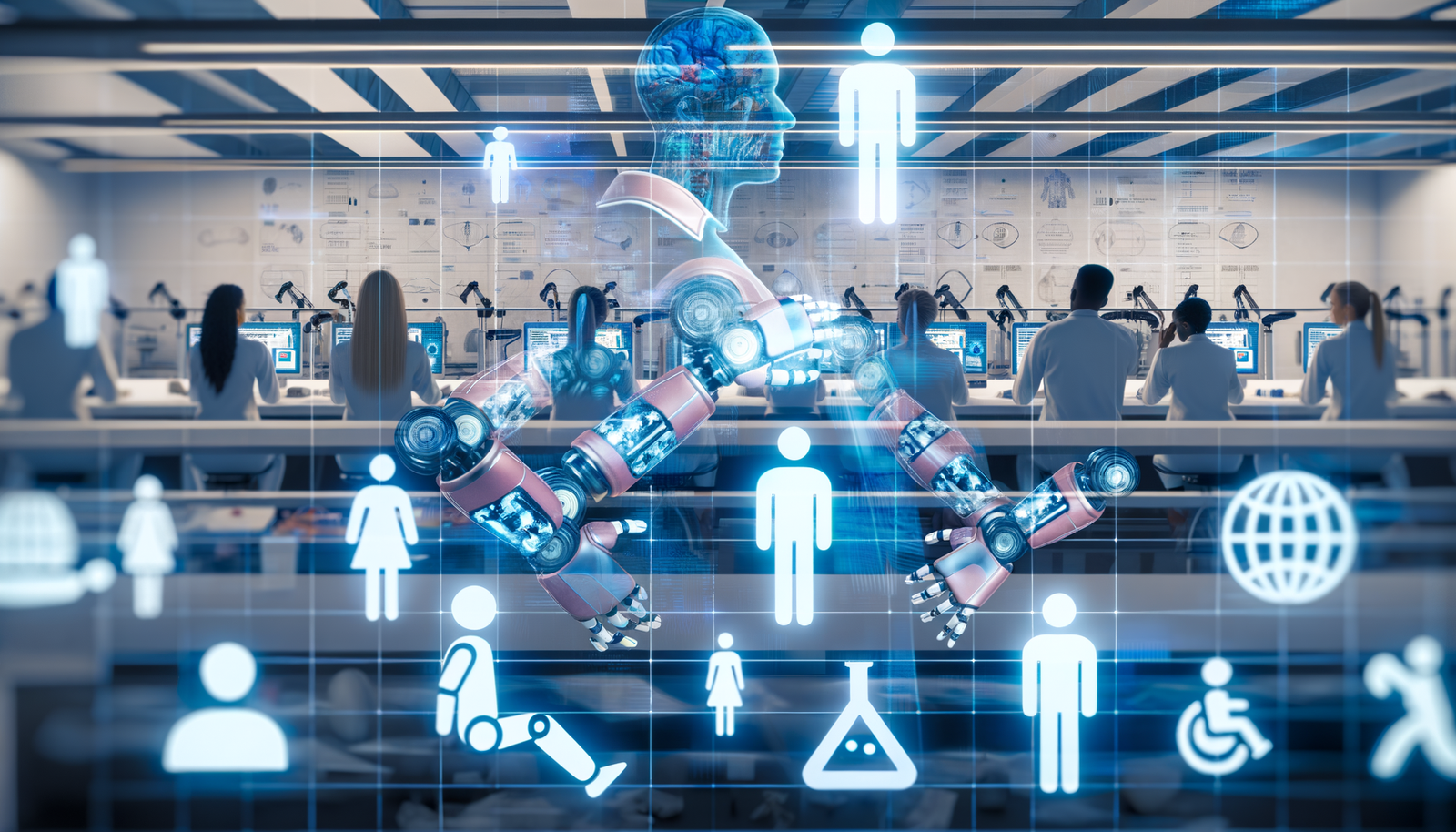
In the ever-evolving landscape of technology, the vision of self-reasoning robots capable of autonomously assembling complex devices remains a distant dream. IT leaders at major manufacturing firms stress that the reality of physical AI advancements may be decades away. As we delve deeper into the realm of artificial intelligence, it becomes evident that unlocking tomorrow’s potential requires patience and extensive research. The optimistic forecast of human-like robots integrating seamlessly into our industries suggests a transformative future, although the journey toward that reality is still in its infancy, reminding us that significant gains in physical AI remain on the horizon.
Setting the Scene for Physical AI
Imagine a world where robots not only enhance human efficiency but think and act independently—a charming idea that inspires numerous science fiction novels and movies. Alas, the reality is that while we progress toward this goal, the tangible benefits of physical AI—robots with the capability to operate in complex, real-world settings—are still far from our immediate grasp. Let’s dig into the layers of this enticing topic, examining why unlocking tomorrow’s potential in physical AI might take longer than we’d hope.
The Promise of Physical AI
Physical AI encompasses a riveting set of technologies that integrate artificial intelligence with robotics to perform specific tasks physically. Organizations imagine a future where AI-powered machinery won’t just assist humans, but can completely take on tasks that require intricate understanding and dexterity. From manufacturing goods to driving our cars, the horizon is illuminated by the prospects of creating machines that think critically and execute tasks with finesse.
- Increased Productivity: Robots can operate around the clock, leading to significant output gains.
- Precision: Advanced industrial robots can work with greater accuracy than human hands, decreasing waste and enhancing quality.
- Safety: AI can handle hazardous tasks, protecting human workers from dangerous environments.
- Cost Reduction: Over time, the initial investment in robotic technology could save companies on labor cost and increase efficiency.
The Reality Check: Why We Might Wait
Even with its glimmering prospects, the progress of physical AI comes with a hefty dose of caution. Experts in the field agree that while the technology is promising, the widespread realization of high-functioning robots in industries is still a long way off. Here are a few reasons we might be in for a prolonged wait:
Technological Hurdles
Physical AI technologies are still grappling with intriguing yet essential questions: how to improve sensory perception, decision-making capabilities, and dexterous movements in a robotic form. Current robotic systems often lack the nuanced understanding of their environment that human intelligence naturally possesses. It’s not just about creating a robot; it’s about giving it the ability to adapt and learn from its surroundings—a true AI hallmark.
Economic and Practical Concerns
The financial implications of rolling out AI systems on a large scale cannot be ignored. The development and maintenance of high-functioning robots require immense resources. Companies must balance the cost of these sophisticated systems against potential impacts on employment and employee morale. In a world where many are still reeling from economic uncertainty, decision-makers often adopt a conservative approach toward large investments in unproven AI technologies.
Regulatory Landscapes
With innovation comes the need for regulatory frameworks to ensure safety and accountability. Governments and organizations are still catching up to the pace of advancements being made in AI technologies. The absence of established guidelines can create hurdles for manufacturing firms eager to integrate AI solutions into their workflows. Until a clear regulatory path is laid out, manufacturers may shy away from swinging their doors wide open to AI advancements.
The Human Element in AI Development
Amidst technological trials and tribulations lies the fact that the integration of AI into everyday scenarios cannot—and perhaps should not—occur without considering the human elements. Manufacturers are firmly aware that a blend of human intuition and AI efficiency will likely pave the way toward successful implementations. After all, a robot can mimic processes but lacks the intrinsic understanding that a seasoned employee brings to the table.
- Training: The transition to a semi-automated workforce will require skill enhancement and reskilling of human workers.
- Collaboration: Seamless integration of AI will require teamwork—machines and humans collaborating rather than one overshadowing the other.
- Ethics: Consideration for worker welfare will be essential to building systems that genuinely benefit society as a whole.
Current Innovations: A Glimpse of What’s Possible
Despite the hurdles, advancements in AI and robotics are still occurring at a rapid pace. Cutting-edge initiatives continue to lay out the possibility of incorporating physical AI across various sectors. Here are some of the areas that are currently experiencing progress:
Healthcare Transformations
In hospitals, AI-powered robots are enhancing surgical procedures with precision. They assist surgeons by providing critical data and reducing operating times, thus elevating the quality of patient care. For instance, robotic surgery systems can significantly mitigate risks during complex procedures with enhanced control and accuracy.
Manufacturing Marvels
Industries like automotive and electronics are experimenting with assembly line robots that utilize machine learning to adapt to diverse tasks. These robots can learn to assemble parts efficiently, reducing human error and increasing output speed. Companies are on the brink of achieving a new level of efficiency that could redefine manufacturing as we know it.
Transportation Evolution
Autonomous vehicles, although still being tested, represent some of the most ambitious physical AI applications. The drive toward self-operating transport aims not only to boost the efficiency of our highways but revolutionize the logistics and supply chains that support our economies.
A Glance Ahead: Patience Pays Off
While the road to fully integrated physical AI may seem daunting, the potential benefits paint an incredible picture for the future of our industries. What should remain clear is that we’re still in the toddler phase of this technological revolution. There’s a burning need for patience and perseverance to maximize the technological and social impacts of such advancements.
Future generations may very well witness an era where machines take on routines that today require human intelligence, creativity, and empathy. Until then, significant research and development will continue, preparing us for a brighter, AI-integrated tomorrow.
In conclusion, while the tantalizing prospects of physical AI promise a transformation for our future, it’s essential to acknowledge that these advances may remain several years, or even decades, in the making. As we eagerly await breakthroughs and milestones, the anticipation blends with an understanding that the cornerstone for this transformative vision lies in sustained innovation, commitment to ethical practices, and a dedication to human-machine cooperation.
Want to explore the latest insights and innovations in AI? Check out Neyrotex.com for more!