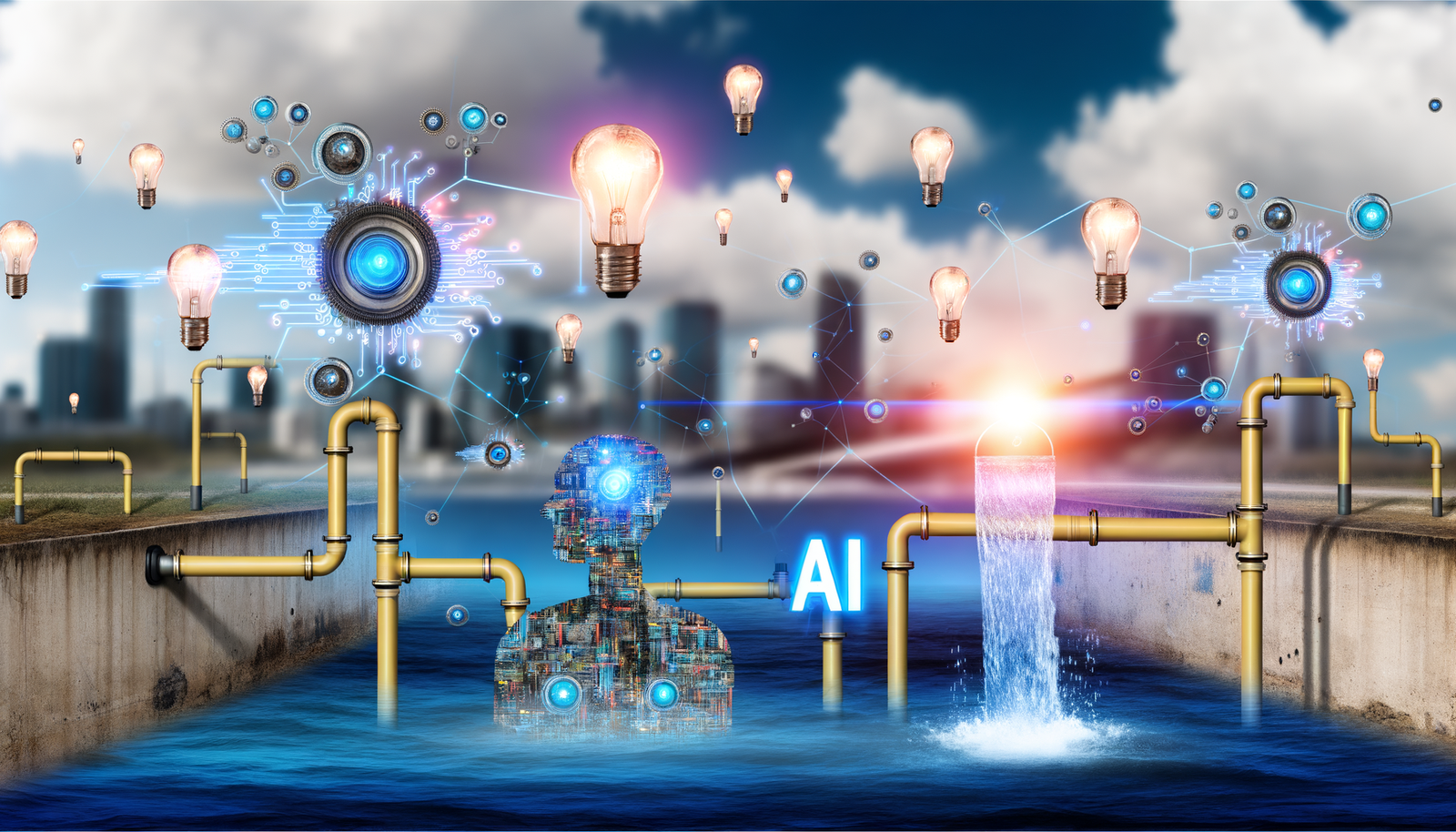
Imagine a world where, just as you pay your electricity bill to power your home, you can access artificial intelligence whenever you need it. Sam Altman’s AI Utility Model envisions a revolutionary pay-per-use AI system that transforms how we interact with technology. No longer confined to ownership, AIs become smart utilities, offering services on-demand, tailored to your needs. This innovative approach could redefine efficiency, convenience, and accessibility in our daily lives. As we explore this concept further, let’s dive into the possibilities of a future where AI seamlessly integrates into our everyday experiences!
Revolutionary Pay-Per-Use AI: Future of Smart Utilities!
What does it mean for technology when artificial intelligence (AI) evolves into a utility akin to water or electricity? Sam Altman, the CEO of OpenAI, proposes a groundbreaking idea that has the potential to shift our relationship with AI technology fundamentally. By envisioning AI as an on-demand utility, Altman suggests paying for it on a per-use basis, which could reshape economic structures, enhance accessibility for businesses and individuals, and alter the landscape of innovation itself.
Understanding the AI Utility Model
At the core of the AI Utility Model is the shift from ownership to accessibility. Think about how you access water or electricity; you turn on the tap or flip a switch, and the resources are there when you need them. Altman’s model proposes that AI should follow a similar framework, providing users with on-demand solutions that can cater to specific needs without the burden of outright ownership. This would allow individuals and organizations to select and pay for only the AI services they require, paving the way for unprecedented flexibility and efficiency.
The Mechanics of Pay-Per-Use AI
The concept of pay-per-use AI could revolutionize the way businesses operate. Imagine walking into a café and using an AI-driven assistant to help choose the perfect pastry based on your dietary restrictions and personal tastes. Instead of investing heavily in AI technology, the café can simply access the AI as a service and pay based on usage. This pay-per-use model breaks down barriers to entry for small businesses, allowing them to harness powerful AI capabilities without needing a deep pocket.
The Accessibility Revolution
Accessibility has been a longstanding challenge in the tech industry. Many cutting-edge AI tools are prohibitively expensive for individuals and small enterprises. Altman’s vision could democratize these technologies by enabling access based on financial capacity. Users might pay a few cents to use an AI model for a brief project or a slightly larger fee for extensive or more complex tasks. This structure could empower startups and freelancers to utilize tools previously reserved for larger corporations, fostering a more competitive and diverse marketplace.
Creating More Opportunities
Consider this: If AI becomes a utility available to all, it can fuel innovation in unexpected ways. Small businesses could leverage AI insights to pivot their strategies in real time, adapting offerings to meet customer demand. Artists could collaborate with AI-driven creative partners to push the boundaries of their work. In education, students could access AI tutors tailored to their learning styles, making education more personalized and effective.
Environmental Considerations
In addition to social implications, this model also raises questions about sustainability. Traditional computational power requires significant energy and resources; however, by deploying AI as a utility, we could drive demand for more energy-efficient technologies. The ability to optimize and scale IT resources akin to water and electricity could potentially minimize waste and optimize energy use, promoting green tech developments in AI.
The Future of Work
The labor market, too, could witness seismic shifts. AI-powered tools could automate routine tasks, freeing up human workers to engage in more valuable, creative endeavors. An individualized approach to AI would allow workers to tailor their experiences according to personal needs and professional goals. Workers may pay for specific AI functionalities that teach them new skills or enhance productivity in their job roles, making the modern workforce more adaptable and versatile.
Safety and Security in the AI Utility Model
While Altman’s vision is exciting, it is paramount to address the crucial issues of safety and security. As AI becomes a utility accessible to everyone, ensuring data protection and ethical use becomes imperative. Establishing robust regulations and governance to manage AI deployment can help mitigate risks, such as misusing AI in malicious ways or creating biases in AI models. The need for transparency and accountability in how AI systems are designed and implemented will be central to building trust among users.
Learning from Electricity and Water Utilities
The transition to viewing AI as a utility does not happen in a vacuum; it draws lessons from traditional utilities. For example, electricity and water systems require a comprehensive infrastructure to ensure everyone has access, reliable delivery, and emergency backups for disruptions. Similarly, developing an AI utility will require a dedicated framework that safeguards implementation and ensures that all stakeholders benefit, including consumers and service providers.
The Path to Implementation
As we move towards the reality of revolutionary pay-per-use AI, several steps will need to take place:
- Infrastructure Development: Building an accessible platform that supports a range of AI services is essential. Industry collaboration between AI developers and suppliers will be vital.
- Policy Formation: Governments and regulatory bodies will need to create frameworks addressing liability, misuse, access, and transparency.
- Innovation Focus: To drive user engagement, novel ideas and applications must be developed, showcasing the versatility of AI utility.
- Educational Campaigns: Ensuring users understand how to navigate and use AI effectively is crucial. Workshops and training can demystify this technology for potential users.
A World Transformed
As we think about the future of AI in our lives, it’s easy to get excited about the possibilities. Imagine business owners transforming their operations through tailored AI insights, freelancers becoming more efficient by tapping into smart utilities, and individuals enjoying personalized AI experiences that understandably simplify their tasks. The promise of a pay-per-use AI utility is profound, hinting at a world that could redefine how everyone engages with technology.
Conclusion
In a landscape where AI operates seamlessly as a utility, the potential for innovation and change is endless. Sam Altman’s vision represents a watershed moment for society as we embrace artificial intelligence in its most accessible form. As we take small yet impactful steps towards this reality, let’s be excited and proactive about the prospects of a future where AI truly serves us all. For those eager to explore AI’s potential, opportunities await! Embracing this shift opens doors to an era where our interaction with technology becomes not only more intuitive but also markedly more enriching.
For more insights and developments in AI technology, check out Neyrotex.com.