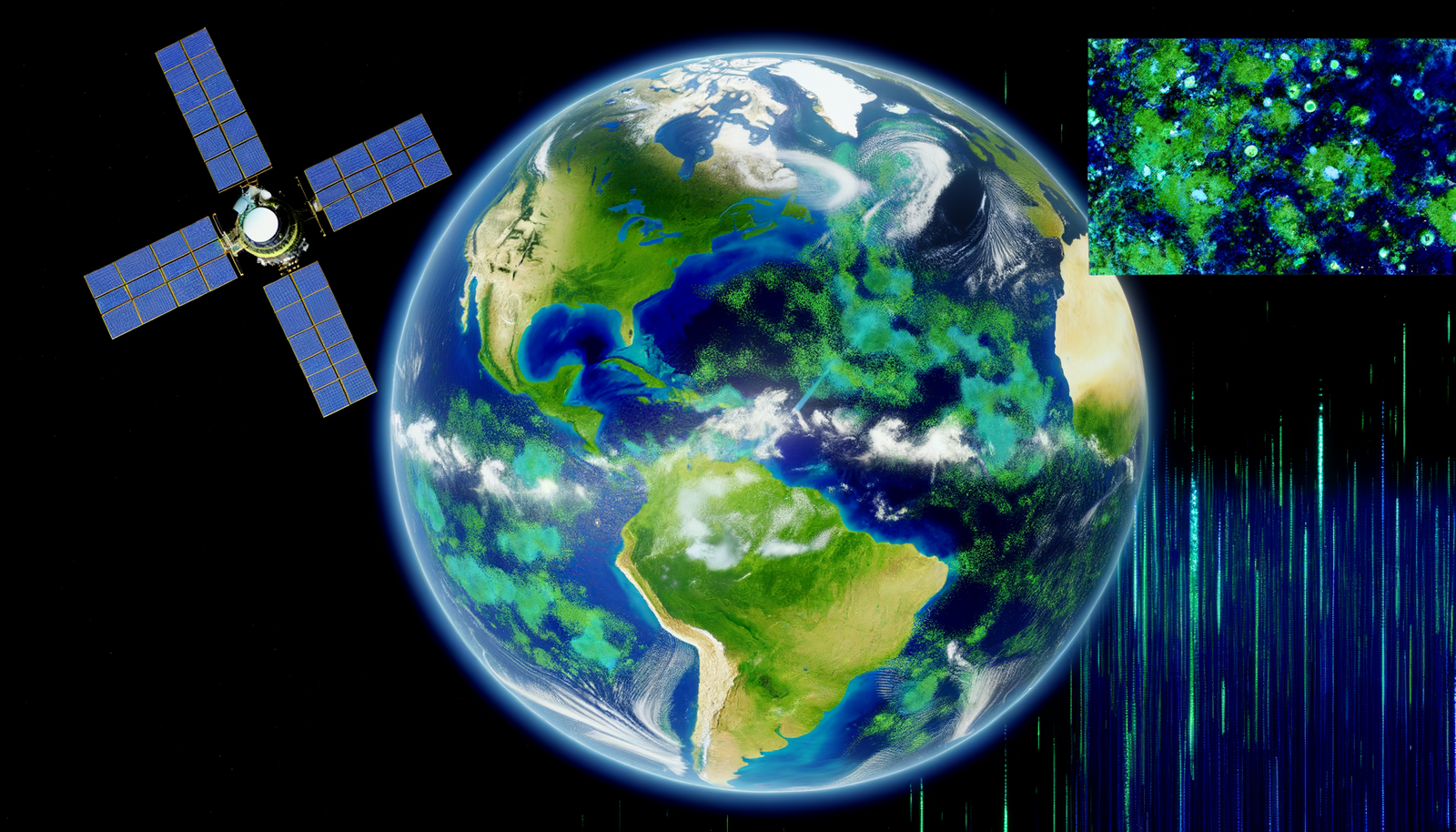
In a groundbreaking initiative, scientists from NOAA’s Center for Satellite Applications and Research (STAR), in partnership with the University of South Florida (USF), are revolutionizing ecology by harnessing artificial intelligence and over one million satellite images to combat algal blooms. This innovative approach enables the precise detection and quantification of floating seaweed and phytoplankton in the global oceans, offering crucial insights into these vital ecosystems. With the integration of advanced technology, researchers aim to enhance our understanding and management of marine health, ultimately contributing to more sustainable oceanic environments.
The Emergence of Algal Blooms
Algal blooms, those densely packed clusters of algae that can often be seen blanketing sections of water, are not just picturesque events. They’re environmental phenomena that can create chaos. Often fueled by excess nutrients from agricultural runoff, sewage discharge, and atmospheric deposition, these blooms can lead to detrimental impacts on aquatic life, water quality, and even human health. This is where NOAA steps in, utilizing cutting-edge technology to combat these ecological nightmares.
Harnessing Satellite Imagery with AI
The pivotal move towards leveraging artificial intelligence and satellite imagery marks a significant milestone in monitoring algal blooms. NOAA scientists believe this new approach could not only revolutionize ecology but would also enhance our response strategies to these blooms. Algal blooms are not confined to any one region; they can occur in both coastal and open ocean environments, and now, with AI, we can monitor them with unprecedented precision.
- Satellite Imagery: NOAA uses over one million satellite images to track and analyze data related to algal blooms. This vast library gives researchers comprehensive snapshots of algae proliferation around the globe.
- Artificial Intelligence: Utilizing AI algorithms, scientists are able to interpret satellite data swiftly, making it easier to identify changes in algal bloom patterns while reducing human error in the process.
- Quantification of Flora: The combination of satellite imagery and AI offers the ability to quantify not only harmful algal blooms (HABs) but also other critical marine flora such as phytoplankton and seaweed.
The Collaboration That Matters
This venture is not a solo performance; it’s a collaborative symphony. NOAA has forged a partnership with researchers from the University of South Florida (USF) to ensure they are studying these blooms through a comprehensive lens. USF brings expertise in oceanography and marine ecology, making the synergy between both teams a force to be reckoned with.
“By combining NOAA’s extensive satellite capabilities and USF’s academic prowess, we can fundamentally change how we monitor, understand, and manage algal blooms,” said Dr. Geoffrey C. D. Anderson, a leading scientist in the project. “We’re not just collecting data; we’re making that data actionable.”
Understanding the Ecosystem
The research spearheaded by NOAA aims to uncover the unseen influences of algal blooms on marine ecosystems. While algal blooms are often visible from aerial views, their impacts run deeper than what meets the eye.
- User-Centric Information: The findings from the NOAA project will help fisheries, water resource management entities, and public health officials in making informed decisions.
- Marine Biodiversity: Identifying areas affected by algal blooms aids in the preservation of marine biodiversity, preventing further harm to species already under threat.
- Global Impact: Understanding algal blooms helps in addressing broader environmental issues, such as climate change effects on ocean health.
Why Should We Care?
If you’re wondering why all this matters — consider this: Algal blooms aren’t simply a blight on the ocean’s landscape; they can lead to dead zones where marine life cannot survive. These regions wreak havoc on local fisheries and tourism, vital lifelines for countless coastal communities. Moreover, some species of algae produce toxins that can contaminate drinking water and affect the food chain, posing serious health risks to humans and animals alike.
The NOAA initiative using AI and satellite technology could be a game-changer in how we manage these blooms. With clearer visibility on the ebb and flow of these organisms, we can initiate preventive measures before blooms become harmful. Through rigorous data, intervention strategies could improve significantly, thus protecting those that rely on these ecosystems.
A World of Data
This dynamic partnership isn’t just sitting on a pile of data; they’re utilizing it to proactively tackle future challenges. The sheer amount of information gathered presents a goldmine of opportunities for learning and understanding. From tracking which regions are most susceptible to blooms to understanding the geophysical factors contributing to their growth, NOAA’s approach represents a shift towards proactively solving problems rather than just reacting.
Imagining Future Implications
Imagine a world where local fishing communities can be alerted before a potentially destructive bloom surfaces. Think about the implications for water treatment facilities having real-time data to better prepare for harmful water contaminants linked to algae. Imagine a collaborative framework where industries, marine researchers, and policymakers can interact with real-time data, changing the landscape for environmental protection efforts. This project could transform those imaginations into reality.
Facing Challenges Head-On
Of course, where there are advancements, challenges typically loom nearby. The functionality of AI can only be as strong as the quality of the input data it receives. NOAA researchers must continually refine their algorithms to account for the variability of environmental factors that can influence algal blooms. But through rigorous testing and validation, they are paving the way forward.
Community Involvement and Awareness
One key factor in the success of this initiative will be building community awareness and involvement. “It’s not just about scientists and policymakers; local communities need to understand what algal blooms are and how they can aid in monitoring them,” pointed out collaborative researchers from USF. Regular workshops, informational sessions, and data sharing could empower coastal communities to become stewards of their resources, making a united front against algal blooms.
Final Thoughts
The marriage of technology with ecology is no longer just a concept discussed in academic circles; it is becoming a priority for environmental stewardship. Through NOAA’s pioneering project, we see how AI coupled with satellite imagery can revolutionize our approach to understanding and managing algal blooms. This initiative not only serves as a testament to ingenuity but also as an urgent reminder of our responsibility to preserve the ocean’s health.
As we burgeon into an era of increased ecological awareness and technological applications, it is refreshing to see organizations like NOAA leading the charge. If we can harness technology for the good of our planet, who knows what else lies in wait for discovery? The future appears bright, but we must remain vigilant stewards of our environments, holding the keys to sustainability in our own hands.
For more insights into ecological innovation technologies, visit Neyrotex.com.