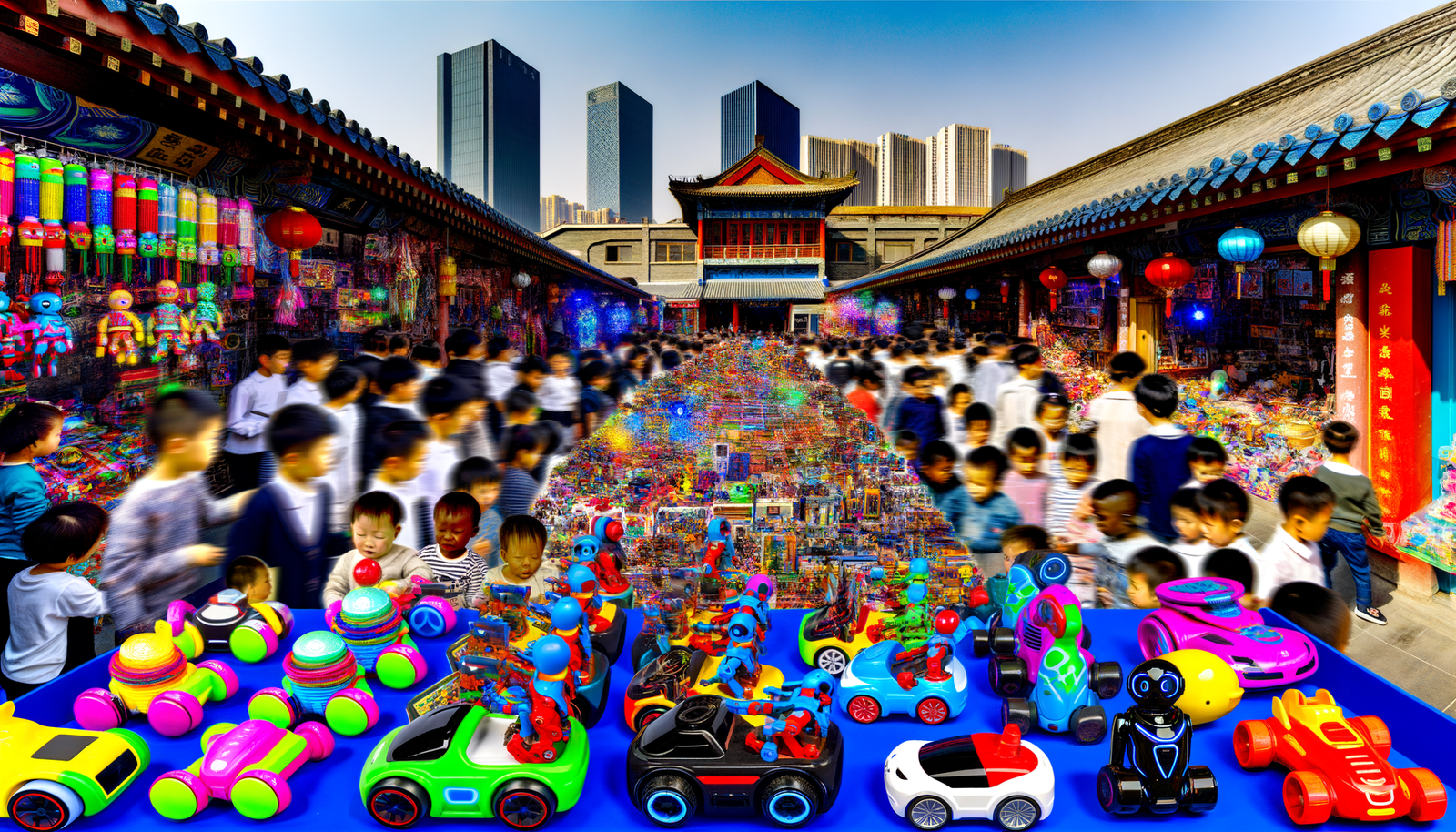
In recent years, China’s AI toy revolution has gained momentum, with companies like Huawei and JD.com at the forefront of innovation. Late November saw Huawei Technologies selling over 10,000 units of its latest creation, Smart Hanhan, within the first week of release. Priced at 399 yuan (US$57), this AI-powered emotional support plush toy offers interactive companionship through movement recognition, voice, and touch. As smart playthings increasingly capture consumer interest globally, Huawei’s Smart Hanhan exemplifies how technology can enhance play and emotional well-being, reshaping the landscape of childhood entertainment.
Transforming Playtime: The Rise of AI Toys
Welcome to the future of childhood delight! In a world where technology and play intermingle more than ever, AI toys are stepping onto the scene like the star of a blockbuster movie. Children today are wandering through a virtual wonderland where not just the characters on the screen, but also their cuddly companions come fully equipped with artificial intelligence. These toys don’t just giggle and wiggle; they learn, adapt, and create a two-way conversation with their young owners. With China leading this charge, it’s essential to understand how major players like Huawei and JD.com are shaping this fascinating trajectory.
Huawei: A Game-Changer in AI Toys
You might know Huawei for its nimble smartphones and cutting-edge telecommunications technology, but did you know they’re also reimagining playtime? Enter the Smart Hanhan—a plush toy that brings emotional support right into the cuddle-fest. Unlike typical stuffed animals, Smart Hanhan employs sophisticated AI algorithms to track movement and respond to voice commands.
Imagine a toy that can not only listen to your child but also adapt its interactions to their emotional needs. That’s precisely what Smart Hanhan does, providing kids with more than mere entertainment; it offers a genuine companionship experience. And who would have thought that a plush toy could sell more than 10,000 units in its first week? Well, that happened, showcasing not just success but strong consumer interest!
Exploring the Features of Smart Hanhan
Let’s dive into what exactly makes Smart Hanhan tick (or should we say hug?). Here are a few features that stand out:
- Interactive Communication: Smart Hanhan can engage in simple conversations, responding to your child’s questions with fun facts and friendly chatter.
- Emotional Adaptability: The toy learns from interactions, allowing it to adjust its responses based on your child’s mood—be it cheerful, sad, or somewhere in between.
- Motion Recognition: Through built-in sensors, the toy can recognize gestures and movements, making playtime active and engaging.
- Touch Sensitivity: Through soft-touch technology, Smart Hanhan reacts to being petted, creating an interactive bond between the child and the toy.
These features make Smart Hanhan more than just a toy; they position it as a significant player in the psychological development of children. Imagine a child learning empathy and emotional intelligence through playful interactions with their plush companion—it’s revolutionary and necessary in today’s fast-paced digitized world.
JD.com: The E-Commerce Giant Making Waves
As Huawei pivots toward innovative playthings, JD.com is busy examining the marketplace, capturing hearts and wallets alike. As a top player in e-commerce, JD.com has a unique vantage point on consumer demands and shifting trends. They embrace the AI toy trend with open arms, providing a robust platform through which exciting new products are showcased and delivered.
But their strengths don’t stop at distribution; JD.com is focusing tremendously on the user experience. They leverage big data analytics to understand customer preferences, ensuring that their inventory reflects what parents and kids truly want. What does this mean? Fostering the perfect shopping environment for AI toys where parents can feel confident in their choices and children feel amazed at what they can bring home!
The Impact of AI Toys on Child Development
Why should we care about plush toys with a brain? Well, the implications of AI toys extend well beyond fun and games. These gadgets hold significant potential in early childhood development. Here’s how:
- Intellectual Growth: AI toys often stimulate cognitive functions by prompting children to engage in problem-solving and critical thinking.
- Social Skills: Interactive AI toys can enhance social skills by mimicking real-life conversations and behaviors.
- Emotional Intelligence: Children learn to read emotional cues and practice empathy via the soft, responsive interactions with their AI companions.
- Creativity Boost: Engaging with an AI toy can open doors for imaginative play, enabling children to invent stories and games on their own.
As these advancements continue, industry experts argue that AI toys will become invaluable resources for parents looking to enhance their children’s learning experiences—making playtime productive in every sense. It’s fascinating to think that the playroom of tomorrow might resemble a mini tech hub, where exploration and education intertwine like never before.
The Future of AI Toys: What’s Next?
With players like Huawei and JD.com leading the charge, one has to wonder what the future holds for the world of AI toys. Here’s what we might anticipate:
- Increased Customization: Future AI toys could gather and utilize data on a child’s individual preferences, tailoring interactions to maximize engagement.
- Integration with Smart Homes: The rise of smart homes will likely see AI toys interconnect with other smart devices, amplifying their capabilities as playmates and helpers.
- Global Expansion: As the trend continues to grow in China, we can anticipate AI toys permeating other markets, bringing diverse cultures into the fold.
- Health Monitoring Features: Future iterations may include health-tracking capabilities, allowing parents to monitor holistic emotional development.
These possibilities paint a vibrant picture for the future of childhood experiences. Enhanced interactivity, more profound emotional connections, and educational opportunities are sure to emerge, truly revolutionizing the way we think about play and learning.
Conclusion: Embracing the Change
As we step forward into this captivating era of AI toys, it’s essential to remain open to the change they bring. Companies like Huawei and JD.com are not just pioneering the way; they are opening our eyes to the possibilities that lie ahead in child development, learning, and emotional well-being.
With Smart Hanhan and other AI-infused marvels, a new age of playtime awaits—one that treads the line between technology and companionship, education and fun. So, give a round of applause to these innovators who are reshaping the toy landscape with a sprinkle of artificial intelligence, and keep your eyes peeled for what’s on the horizon!
Curious to dive even deeper into the wonders of artificial intelligence and what it means for tomorrow? Check out Neyrotex.com for more insights!