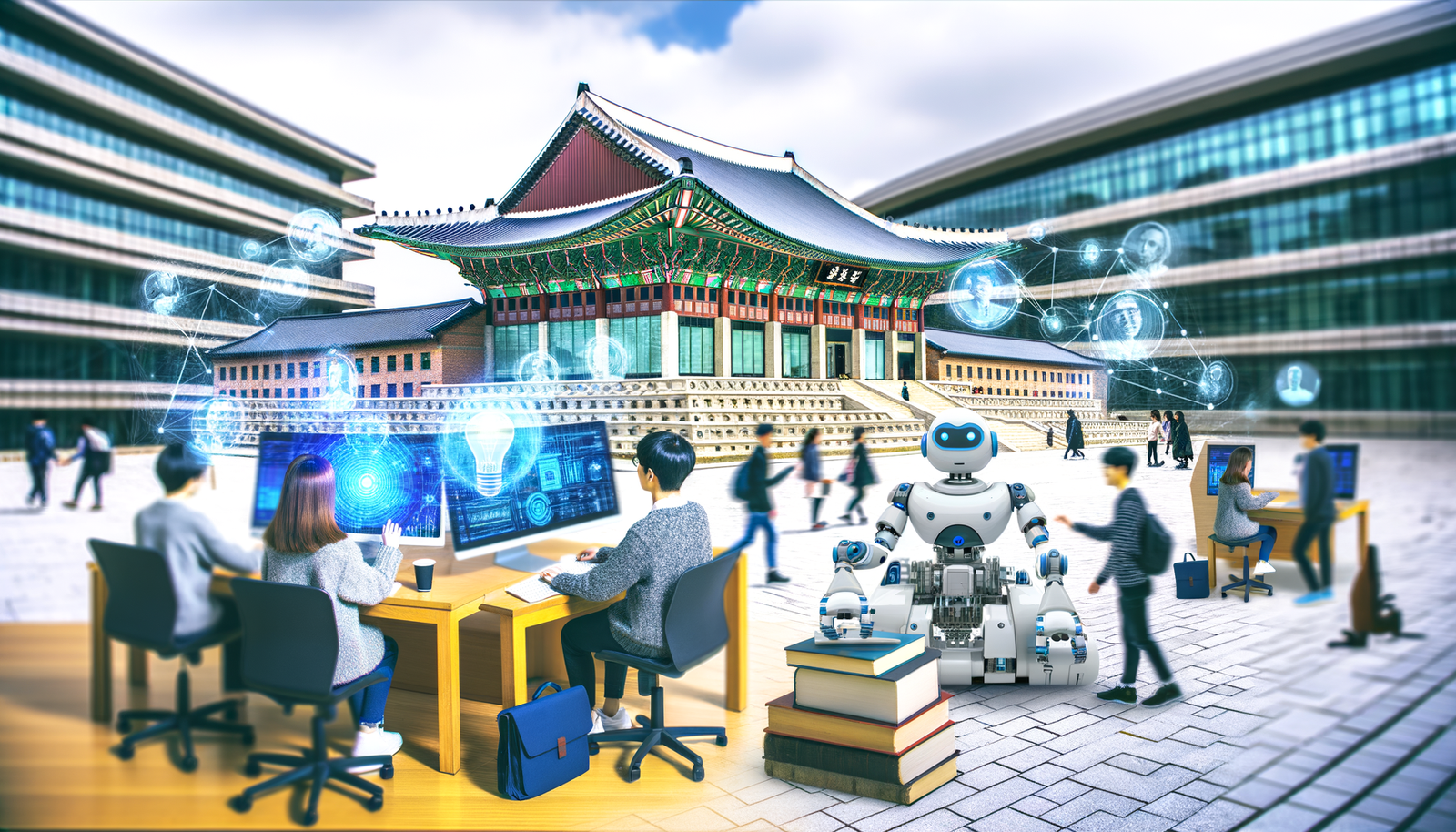
South Korea’s AI PhD Fast Track program aims to rapidly cultivate skilled professionals in artificial intelligence, highlighting innovations intended to bolster the nation’s position in the global tech landscape. However, this initiative is juxtaposed against a dysfunctional academic ecosystem that hampers its effectiveness, raising concerns about the quality and depth of training. As South Korea strives to emerge as a leader in AI talent, the inherent challenges within its academic structures may ultimately hinder the development of globally competitive experts. Addressing this academic crisis is vital for the successful realization of the Fast Track’s goals.
Understanding South Korea’s AI PhD Fast Track
In the digital age, artificial intelligence (AI) stands as a pillar of innovation and progress. Recognizing this critical juncture, South Korea has deployed its AI PhD Fast Track program, an ambitious initiative designed to swiftly groom specialists in AI technologies. But is the rush to deliver tech-savvy graduates overshadowing larger structural issues within the academic sector? As South Korea embarks on this journey, let’s take a closer look at the intriguing yet complicated landscape it navigates.
A Game Changer for Education?
The South Korean government rolled out the AI PhD Fast Track aimed at accelerating the production of AI experts. Not only does this initiative respond to the escalating demand for AI talent globally, but it also keeps pace with aggressive competitors in the technology field, such as the United States and China. The essence of the program lies in its dual focus on rapid learning and research opportunities, alongside practical training in cutting-edge fields such as machine learning, computer vision, and data science.
At its core, the Fast Track scheme invites aspiring scholars to complete their doctoral studies in less than three years—half the typical time! This time-efficient approach establishes a unique niche to address a looming talent shortage in AI. Students enter into a path paved with opportunities ranging from internships to collaborations with industry giants, promising pathways that could shape the future of technology.
The Bright Side: Innovations and Optimization
The Fast Track program capitalizes on several innovative aspects, which are thrilling in their capacity for transformation:
- Collaborative Ecosystems: By leveraging partnerships between academia and industry stakeholders, students gain insights into real-world applications of AI right from the get-go.
- Cross-Disciplinary Learning: The Fast Track model fosters interdisciplinary collaboration, blending computer science with fields like neuroscience and economics, creating holistic environments for growth.
- Pragmatic Curriculum: Adjusting the coursework to keep pace with rapid technological changes ensures that students are well-versed in contemporary issues and tools in AI.
But with opportunity comes responsibility. While these innovations undoubtedly offer exciting prospects, they often mask a simmering crisis in the academic fabric of South Korea itself.
The Dark Side: A Broken Academic System
As thrilling as the Fast Track initiative sounds, it masks alarming deficiencies within South Korea’s broader academic system that could undermine its success. Let’s delve into some of these pressing issues:
- Over-Saturation of Graduate Programs: With a proliferation of graduate programs seeking to cash in on AI’s popularity, the quality often suffers. Educational institutions face a precarious balancing act—striving to deliver swift, high-quality education while cutting corners.
- Rigid Structures: The traditional academic model is struggling to adapt. Many instructors are still entrenched in age-old pedagogical methods that contradict the dynamic nature of AI research and application, stifling creativity and innovation.
- Competition for Resources: Increased competition for funding and resources drives research groups to prioritize quantity over quality. This compromises the integrity and output of research, revealing a system that may produce quantity but not necessarily caliber.
These issues highlight the urgent need for a robust reevaluation of the academic structure in South Korea. Restructuring and investing in educational infrastructure will be as crucial as accelerating the output of qualified professionals to truly realize the potential of the AI PhD Fast Track program.
The Cultural Context: Navigating Social Expectations
In South Korea, a culture of high expectations—spurred by fiercely competitive educational systems—fuels a phenomenon often referred to as the “winner-takes-all” scenario. Students frequently chase prestigious credentials and accolades, prioritizing speed over depth in their studies. This cultural pressure can lead to an academic environment where students ace exams but miss essential, hands-on experience or critical thinking skills.
Therefore, as South Korea pushes for AI innovations through a swift educational pipeline, it must address underlying societal expectations that elevate credentials over true learning and practical applications. Fostering environments that prioritize well-rounded skillsets, rather than just rushing to churn out degrees, is crucial for nurturing holistic, innovative thinkers in AI.
Looking Towards the Future: Realigning Efforts for Success
To ensure that the AI PhD Fast Track program overcomes the challenges posed by the existing academic structure, several adjustments can be made:
- Curricular Evolution: By actively incorporating feedback from industry leaders, educational institutions can evolve curricula to address the real needs of the sector, facilitating practical, applicable education.
- Investment in Faculty Development: Supporting professors and educators in adopting modern educational tools and methodologies ensures that the next generation of scholars is guided by innovative thinking.
- Assessment Reforms: Moving away from high-stakes testing toward longitudinal assessments that include practical applications of skills would yield a more accurate gauge of student readiness.
Such changes will not only reinforce the credibility of the Fast Track initiative but also contribute toward developing a culture that values innovation, collaboration, and well-rounded expertise in technology. Ultimately, the long-term vision must aim for sustainable growth rather than a rapid output of professionals.
Conclusion: Bridging the Gap Between Innovation and Quality
South Korea’s AI PhD Fast Track reflects a visionary initiative that harbors the potential to place the nation at the forefront of global AI talent. However, it faces formidable obstacles presented by an academic system grappling with structural inefficiencies. Tackling these challenges head-on—through cultural shifts, curricular evolution, and a commitment to sustainable educational practices—will be vital to guard against mediocrity in the quest for excellence.
As South Korea embarks on this exciting journey toward being an AI powerhouse, the success of its Fast Track initiative will hinge on the balancing act between revolutionary speed and foundational depth. Only then can the nation confidently emerge as a leader equipped with the talents and expertise required to propel innovation on a global scale.
For more information about AI and its implications in the educational sphere, feel free to explore additional resources at Neyrotex.com.