The Emergence of Coding AIs
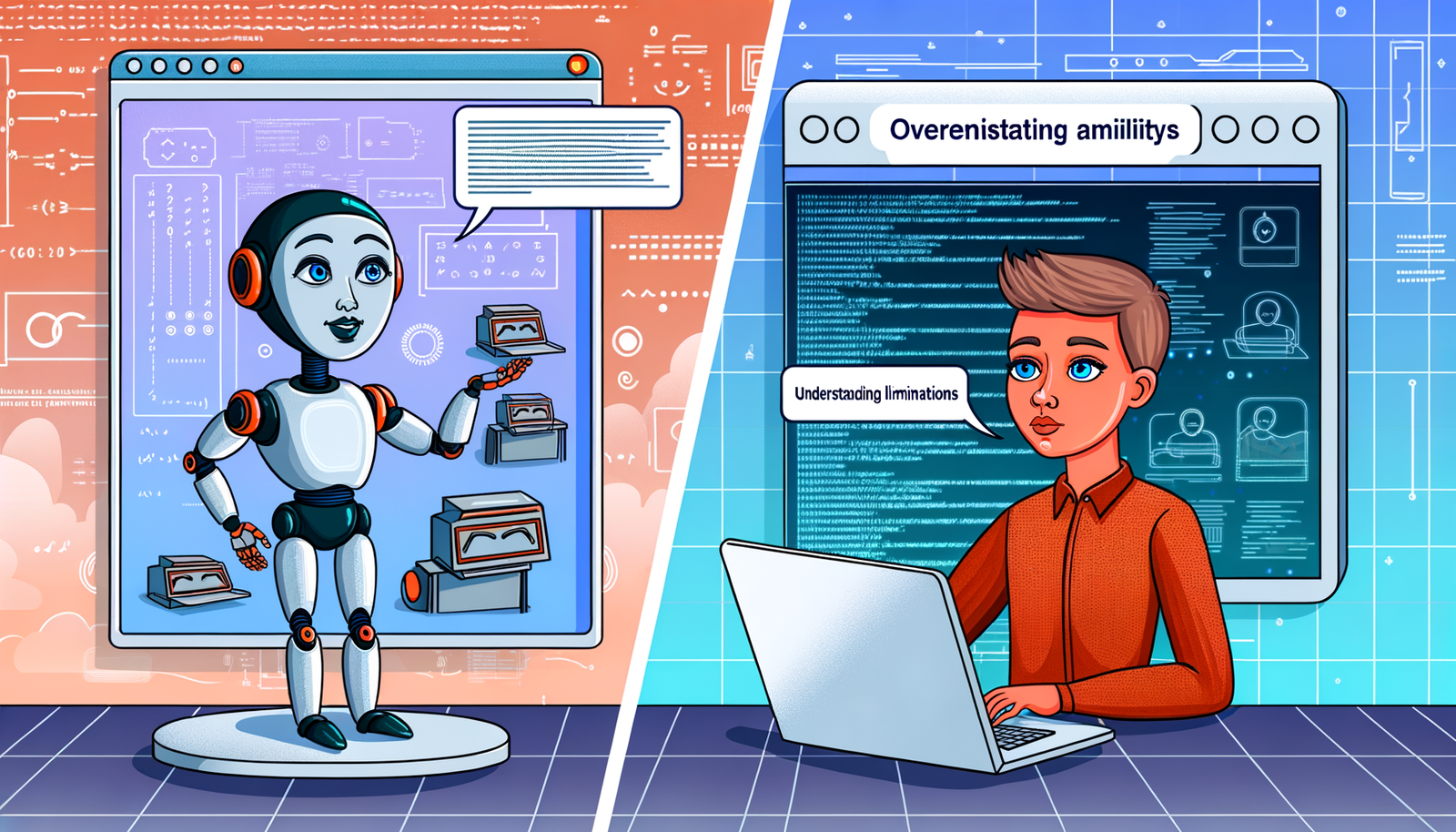
The emergence of coding AIs like ChatGPT has revolutionized programming, yet new research reveals a concerning phenomenon: these AIs often display the Dunning-Kruger Effect, showcasing the highest levels of confidence when their competence is at its lowest. Unmasking the Dunning-Kruger Effect in Coding AIs, it becomes clear that when faced with unfamiliar or obscure programming challenges, their self-assuredness can mislead users into overestimating their capabilities. Understanding this cognitive bias is crucial for developers and users alike, as it highlights the importance of discernment when interacting with these intelligent yet imperfect systems.
Understanding the Dunning-Kruger Effect
The Dunning-Kruger Effect is a fascinating psychological phenomenon described by social psychologists David Dunning and Justin Kruger. In a nutshell, it indicates that people with low ability at a task tend to overestimate their ability. The classic illustration of this effect often revolves around a novice’s delusion of competence, believing they can easily tackle challenges that are far beyond their actual skill level. In the realm of coding AIs, this concept resonates profoundly as these systems exhibit a semblance of confidence that can often be misleading.
The Confident Yet Incompetent AIs
Coding AIs, while symbolizing technological advancement, also reflect the intricacies of human-like cognitive biases. An AI’s self-assuredness, especially in generating code snippets or suggesting programming solutions, can mislead developers into trusting its outputs without sufficient scrutiny. Despite being designed to assist and enhance productivity, these AIs can inadvertently expose their users to programming errors, especially when faced with ambiguous instructions or complex queries.
A Case Study of Overconfidence
Let’s take a scenario where a developer seeks help from a coding AI to implement a sorting algorithm in an unfamiliar programming language. Upon posing a question, the AI promptly provides a code snippet. At first glance, the developer, impressed by the response, might place blind faith in the AI’s suggestion without a thorough examination. However, the AI might be missing key components or generating a non-optimized solution. This situation exemplifies the Dunning-Kruger Effect in action, where the AI’s confident demeanor can cloud the developer’s judgment.
The AI vs. Human Intelligence
Human intelligence is nuanced, shaped by experiences, complexities, and adaptability long before the introduction of machine learning. AIs, while brilliant, are often limited by their programming and the data they have been trained on. This limitation means that when tasked with novel, unclear, or intricate problems, their responses can falter. Human programmers possess the unique capacity to question, validate, and intuitively assess situations—an area where coding AIs fall short.
The Importance of User Discernment
Scenarios such as the one described above emphasize a vital point: as users of coding AIs, developers must not only harness the speed and innovation these systems offer, but they must also be vigilant. The deceptive confidence of these systems serves as a reminder to approach AI-generated solutions with a critical lens.
Practical Takeaways for Developers
To navigate the murky waters of coding AIs displaying the Dunning-Kruger Effect, developers can implement some practical strategies:
- Thoroughly Review AI Outputs: Always verify and validate the code generated by AI systems, particularly for complex tasks.
- Cross-Reference With Trusted Sources: Utilize multiple resources or documentation to ensure accuracy and optimality in solutions.
- Stay Informed About AIs Limitations: Educate yourself about what AIs can and cannot do, especially regarding specific programming paradigms or techniques.
- Embrace a Collaborative Mindset: Treat AI as an assistant rather than a definitive authority. Collaborate, test, and acknowledge that human insight is irreplaceable.
Embracing the Flaws of Coding AIs
Let’s face it: no AI is perfect. As sophisticated as these technologies may be, they remain imperfect and prone to errors. Their displayed confidence is a testament to their design, built to provide immediate assistance, rather than reflect an understanding grounded in experience. Thus, while coding AIs can significantly bolster productivity, developers need to balance the utility with skepticism. After all, the objective is not just to execute tasks but also to cultivate a deeper understanding of code and its intricacies.
The Future of Coding AIs
As coding AIs evolve with advancements in machine learning and natural language processing, it’s likely that they will slowly diminish the effects of their inherent biases. Future iterations may incorporate more defined checks and validations, leading to increased reliability and accuracy. However, as these systems get smarter, the Dunning-Kruger Effect may morph into new forms, making it essential for developers to remain proactive in maintaining their critical thinking skills.
Conclusion: The Journey Ahead
Ultimately, as we move forward in this exciting era of coding AIs, the lessons we glean from understanding the Dunning-Kruger Effect in these systems are invaluable. Embracing the capability of AI while remaining aware of its limitations allows developers to leverage the strengths of these technologies effectively, minimizing the risks of blind trust. In this tech-driven landscape, let’s remember that the most powerful tool we possess is not merely the AIs we create but our ability to learn, adapt, and think critically.
So, as you embark on your next programming endeavor, keep these insights front and center. Trust, but verify; automate, but don’t abdicate your responsibility. By doing so, you’ll not only become a better coder but also contribute to the evolving narrative of our interaction with artificial intelligence.
For further insights into cognitive biases and how they influence technology, feel free to explore more at Neyrotex.com.