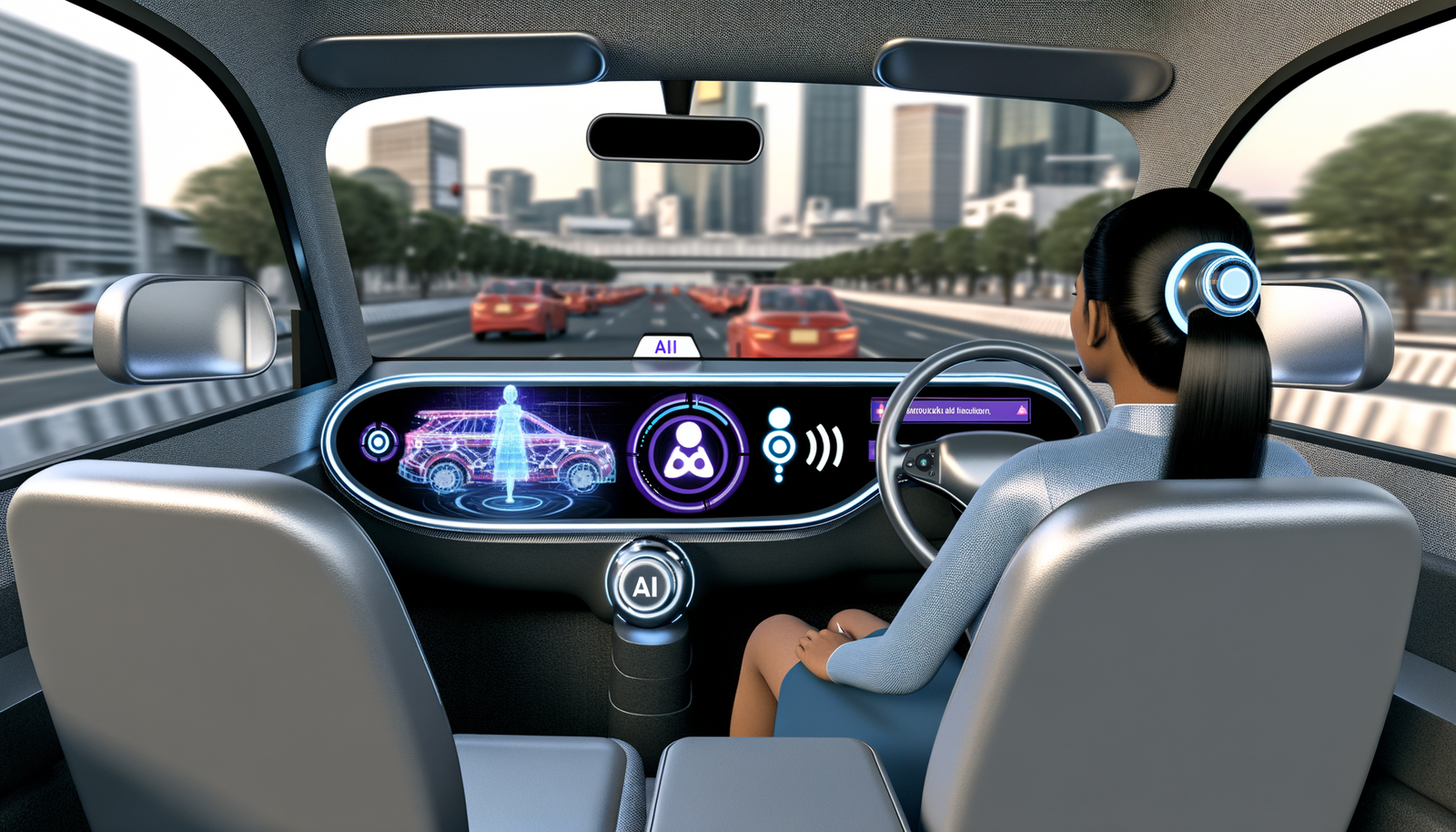
In the rapidly evolving world of transportation, artificial intelligence is revolutionizing rides by transforming taxi driving into a data-driven experience. Behind the scenes of user-friendly driver apps, complex algorithms analyze real-time data to predict passenger demand, allowing drivers to optimize their shifts effectively. This AI-driven approach not only minimizes dead mileage and reduces waiting times but also enhances daily earnings for drivers. Instead of replacing human drivers, AI serves as a valuable tool, streamlining operations and improving job satisfaction in the ever-busy world of taxi and private hire services.
Understanding AI’s Role in Taxi Driving
In recent years, the taxi industry has seen significant upheaval, spurred primarily by technological advancements. Once seen merely as a means of transportation, taxis are now becoming a hub of innovation through the implementation of artificial intelligence. Grounded in the principles of data analysis, AI is reshaping how we understand taxi driving, leading to enhancements in efficiency, safety, and customer satisfaction. While AI has made its mark across various sectors, its presence in taxi driving may reshape urban landscapes in ways we are just beginning to acknowledge.
AI Predictive Analytics and Demand Forecasting
At the heart of AI’s transformation of taxi driving lies predictive analytics—a powerful tool that allows companies to gauge passenger demand. By analyzing historical data, real-time traffic conditions, weather patterns, and local events, AI algorithms can forecast when and where demand will surge. This helps drivers make informed decisions about where to position themselves for maximum fare opportunities. Imagine a rainy day in the city, where demand typically spikes; a savvy taxi driver utilizing an AI-driven app would be able to anticipate this increase, allowing them to plan their working hours accordingly.
The Power of Real-time Data
The true genius of AI also lies in its capability to analyze real-time data. For example, the algorithms collect information from various sources—social media trends, the location of nearby taxis, and even local traffic reports—to guide drivers toward areas experiencing higher demand for rides. By leveraging this data, taxi companies can also deploy their drivers more strategically, ensuring that supply meets demand and customer wait times are reduced.
Bridging the Gap Between Drivers and Passengers
AI doesn’t just inform drivers; it also works to improve the overall customer experience. Many modern taxi apps utilize AI to enhance communication between passengers and drivers, ensuring that necessary information—such as estimated arrival time or route changes—is readily available. Passengers can receive updates about their ride or even modify their requests with ease, all thanks to AI’s ability to streamline communication. This connectivity fosters a sense of trust and reliability, encouraging more users to opt for taxi services over personal vehicles.
Enhancing Efficiency with AI
So, how does AI contribute to a more efficient taxi service? Let’s break it down into a few key benefits:
- Minimized Idle Time: By utilizing smart algorithms, taxi drivers can significantly reduce the amount of time they spend waiting for passengers. Algorithms calculate busy areas and optimal routes to allow drivers to stay engaged with potential fares.
- Optimized Routes: AI systems guide drivers through the fastest and least congested routes, cutting down travel time. This not only makes rides quicker for passengers but ensures drivers can complete more rides within the same timeframe.
- Data-Driven Performance Insights: AI analytics provide drivers and taxi companies with actionable insights into their performance and earnings, helping them make informed decisions about their work hours and strategies.
Toward a Safer Drive with AI
Safety cannot be overlooked in the discussion of AI’s role in taxi driving. The technology enhances safety in several vital ways:
- Driver Monitoring: AI systems enable real-time monitoring of driver behavior, offering insights into driving patterns and identifying dangerous habits. This data can then be used to implement training programs and improve overall safety standards.
- Emergency Response: With the ability to predict potential hazards or road conditions, AI can lead to faster responses during emergencies. If a driver encounters an accident or roadblock, AI can efficiently reroute them to avoid delays.
- Enhanced Security Features: Many AI-driven apps now include tracking features for passengers that ensure their safety by notifying designated contacts in case of emergencies.
The Human Element in AI-Enhanced Taxi Driving
While there’s no denying the advantages that AI brings to the taxi industry, the human element remains quintessential. Drivers are not just faceless cogs in a machine; they are individuals with personalities, skills, and local knowledge that machines simply cannot replicate. The collaboration between AI and human drivers offers the best of both worlds—combining the efficiency of technology with the empathy and expertise of experienced taxi professionals. The integration of AI should not be seen as a threat to jobs; rather, it acts as a way to empower drivers, enabling them to focus more on providing an exceptional service.
Customer Experience Reimagined
As artificial intelligence continues to evolve, it also holds the key to improving customer experiences in unprecedented ways. Personalized services, tailored notifications, and enhanced ride options are becoming part of the routine for riders. Just think about the convenience of being able to set ride preferences manually, allowing the app to suggest options based on your previous experiences. Passengers can quickly tap their preferences for route type, preferred vehicle, or even driver profile, ensuring that every ride feels customized.
AI’s Future in Taxi Driving
The future of taxi driving looks bright with the integration of AI technologies. Major cities are adopting smart mobility solutions that incorporate AI, including electric vehicles powered by artificial intelligence algorithms. These approaches aim to reduce emissions and congestion, making cities more friendly for both residents and visitors. Additionally, the use of self-driving taxis is on the rise, with several companies exploring the feasibility of autonomous rides. Although the widespread implementation of fully self-driving taxis may still be a few years away, the technology is progressing rapidly. And as cities work towards making these technologies standard, our urban environments will begin to resemble the innovations we once only dreamt of.
Conclusion: A New Era of Transportation
In conclusion, artificial intelligence is not just a trend but a transformative force that is redefining the taxi industry. As we have explored, AI enables predictive analytics, enhances efficiency, improves safety, and elevates customer experiences—benefits that cater to both drivers and passengers alike. Rather than replacing human interaction, AI serves as a companion to traditional methods, creating a vibrant harmony between man and machine. So buckle up and enjoy the ride, as we navigate this exhilarating journey of AI shaping the future of transportation!
For more information about how AI continues to innovate and enhance various sectors, you can visit Neyrotex.com.