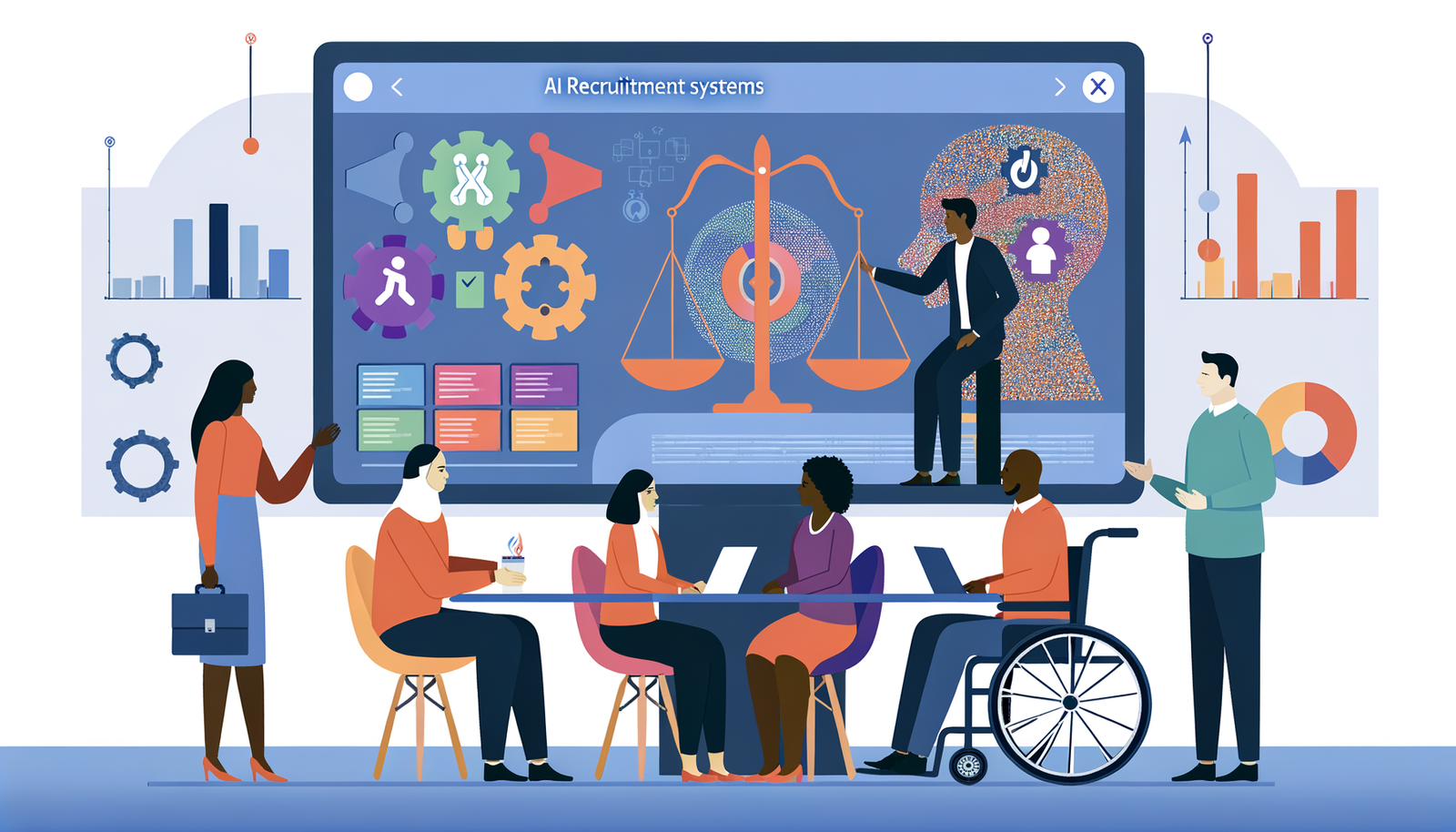
AI-driven hiring tools promise transformative benefits for recruitment, offering faster candidate screening, standardized interviews, and data-backed selection processes. However, as we embrace these innovations, it’s crucial to be aware of potential drawbacks. Unveiling AI Recruitment Bias: Combat Discrimination Now! reveals that even advanced algorithms can perpetuate existing biases, inadvertently leading to discrimination. By understanding and addressing these biases, we can ensure that technology enhances fairness in hiring, ultimately paving the way for a more inclusive workforce. As we delve deeper, let’s explore how to navigate these challenges effectively.
Understanding AI Recruitment Bias
Artificial Intelligence has thrust itself into the spotlight in various industries, and recruitment is no exception. With the growing reliance on AI recruitment systems, understanding AI recruitment bias becomes paramount. But what exactly is AI recruitment bias? At its core, it refers to the unintended discrimination that can arise when algorithms trained on historical data favor certain demographics over others. In essence, these systems may inadvertently echo the biases of the data they’re fed, leading to unfair outcomes for candidates. Imagine a world where a brilliant candidate is overlooked simply because their profile doesn’t fit the mold created by outdated data. That’s the reality we face in many sectors today.
The Roots of Recruitment Bias
Let’s dig deeper into the roots of recruitment bias. Several factors contribute to this dilemma:
- Historical Data Bias: AI systems often learn from existing datasets that may reflect societal inequalities. If previous hiring practices were biased—intentionally or unintentionally—the algorithm can replicate these injustices.
- Algorithm Design: The way algorithms are structured can emphasize certain characteristics or qualifications while downplaying others, which could lead to exclusionary practices.
- Implicit Human Bias: The initial developers of AI recruitment tools might carry their own biases, intentionally or unintentionally influencing the system’s design and functioning.
As technology evolves, so too must our understanding of its implications.
Real-Life Examples of AI Bias
The startling reality is that AI recruitment bias isn’t merely a theoretical concern; real-life examples underscore its potential dangers:
- Amazon’s Recruitment Tool: In a shocking reveal, Amazon had to scrap an AI tool that was designed to evaluate job applications because it favored male candidates over female candidates. This bias arose from training the algorithm on resumes submitted to the company over a 10-year period—bias that reflected the male-dominated nature of the tech industry.
- Healthcare Sector Hiring: In healthcare, algorithms used for recruiting can disadvantage applicants from underrepresented backgrounds. If the data used to train these AI systems doesn’t include a diverse range of experiences, it risks prioritizing qualifications that do not encompass the unique skills these candidates bring.
These examples highlight just the tip of the iceberg, which can plunge us into an ocean of concerns regarding fairness and impartiality in recruitment.
The Impact of AI Bias on Diverse Hiring
A significant consequence of AI recruitment bias is its chilling effect on diversity and inclusion. Companies clamoring to create a diverse workforce may unknowingly reinforce inequities through biased algorithms, ultimately sabotaging their own goals:
- Missed Opportunities: Talented candidates may find themselves systematically overlooked, threatening their chances for advancement in the industry they excel in.
- Reinforced Stereotypes: AI recruitment bias can further entrench societal stereotypes, painting a skewed picture of which attributes are “desirable” in various roles.
- Workplace Homogeneity: When AI falls prey to bias, the result might be a homogenous workforce, lacking diversity in thought and innovation—a surefire way to stagnation.
Driven to improve performance, companies must consider the broader ramifications of AI recruitment bias and its effects on overall organizational health.
Strategies to Combat AI Recruitment Bias
Addressing AI recruitment bias requires a multi-layered approach. Companies must strategize to ensure fairness in their hiring practices. Here are some effective tactics that can be employed:
- Implement Diverse Training Data: Feeding AI systems with a diverse dataset is crucial. Recruiters should ensure that the input data represents various contexts, backgrounds, and experiences. This way, the output can yield candidates from various demographics and racial groups.
- Evaluate Algorithm Performance: Perform regular audits to scrutinize how algorithms behave during hiring processes. By tracking their performance and outcomes over time, it becomes possible to identify any unintentional biases and remediate them swiftly.
- Adopt Human Oversight: Human judgement should not be entirely replaced by machines. Teams should always review AI-generated rankings and recommendations critically instead of relying solely on automated decisions.
- Educate and Train Recruiters: Ensuring all team members are trained on the nuances of AI and biases can create a collective understanding of the issue. This way, the hiring team can make informed decisions beyond algorithmic suggestions.
- Engage in Transparent Practices: Informing candidates about the recruitment processes and tools utilized fosters trust. Transparency holds organizations accountable for potential biases stemming from AI recruitment tools.
The Future of Recruitment in an AI-Driven World
The road to a bias-free recruitment process is undoubtedly challenging, yet it is essential for fostering equitable workplaces. As businesses continue to adopt AI in their hiring strategies, the urgency to cultivate awareness and responsiveness towards AI recruitment bias becomes an imperative. If you thought the days of scouring resumes and awkward interview questions were over, think again! The future holds exciting possibilities of leveraging technology—yes, even AI—to enhance inclusivity.
Let’s be clear: embracing AI technology is not inherently detrimental. Instead, it’s a call to action for organizations to evolve alongside their tools. In doing so, companies can utilize AI-driven data to contact diverse talent pools while still maintaining fairness and equity throughout their processes.
Final Thoughts: A Call for Action
The emergence of AI recruitment tools marks a transformative shift for businesses and job seekers alike. But with great power comes great responsibility. As we innovate and adopt these technologies, we must proactively confront potential biases looming in our recruitment practices. Unveiling AI recruitment bias is indeed a necessity, and combating discrimination starts with a clear commitment to fairness and diversity.
Are you ready to join the fight against AI recruitment bias? Remember, change doesn’t happen overnight, but every step taken towards awareness paves the way for a brighter, more inclusive future. Let’s embrace the potential of AI to drive positive change in the hiring landscape, ensuring that every candidate—regardless of background—has an equal opportunity to shine.
To further explore the intricacies of AI applications and their societal implications, I encourage you to check out more at Neyrotex.com.