In the world of motorsports, few events spark as much passion as Formula 1 races. Yet, amidst roaring engines and high-speed drama, discord brews among fans. The people are upset. This discontent has been amplified by Apple’s recent F1 movie advertisement, which many are calling a missed opportunity. With its expensive production and vast marketing reach, could this campaign have captured the true essence of the sport, instead of leaving viewers feeling disconnected? As the anticipation for the next race builds, one question lingers: can the relationship between big brands and passionate fans be reconciled?
Understanding Apple’s Thirsty F1 Movie Ad
In the high-stakes world of corporate marketing, few tech companies have made as significant an impact as Apple. Known for its innovative products and a loyal customer base, Apple has also a knack for crafting memorable advertisements. However, the recent F1 movie ad seems to have left fans feeling puzzled and somewhat neglected. Envisioned to showcase the thrilling world of Formula 1 racing, the ad instead dives deeper into the cinematic narrative rather than focusing on what drives millions of fans to the edge of their seats: the raw excitement, the rivalry, and the heart-stopping moments of each race.
The Heart of Formula 1
For many, Formula 1 is not just a sport; it’s a way of life. Fans turn on their screens, frantically cheering for their favorite drivers as they navigate through intense circuits, pushing the limits of speed and skill. The enthralling mix of strategy, passion, and technical prowess makes F1 an unmissable spectacle. But Apple’s portrayal, focused too heavily on the nostalgic and cinematic aspects, raises a critical debate: did they truly understand what resonates with fans?
A Closer Look at the Advertisement
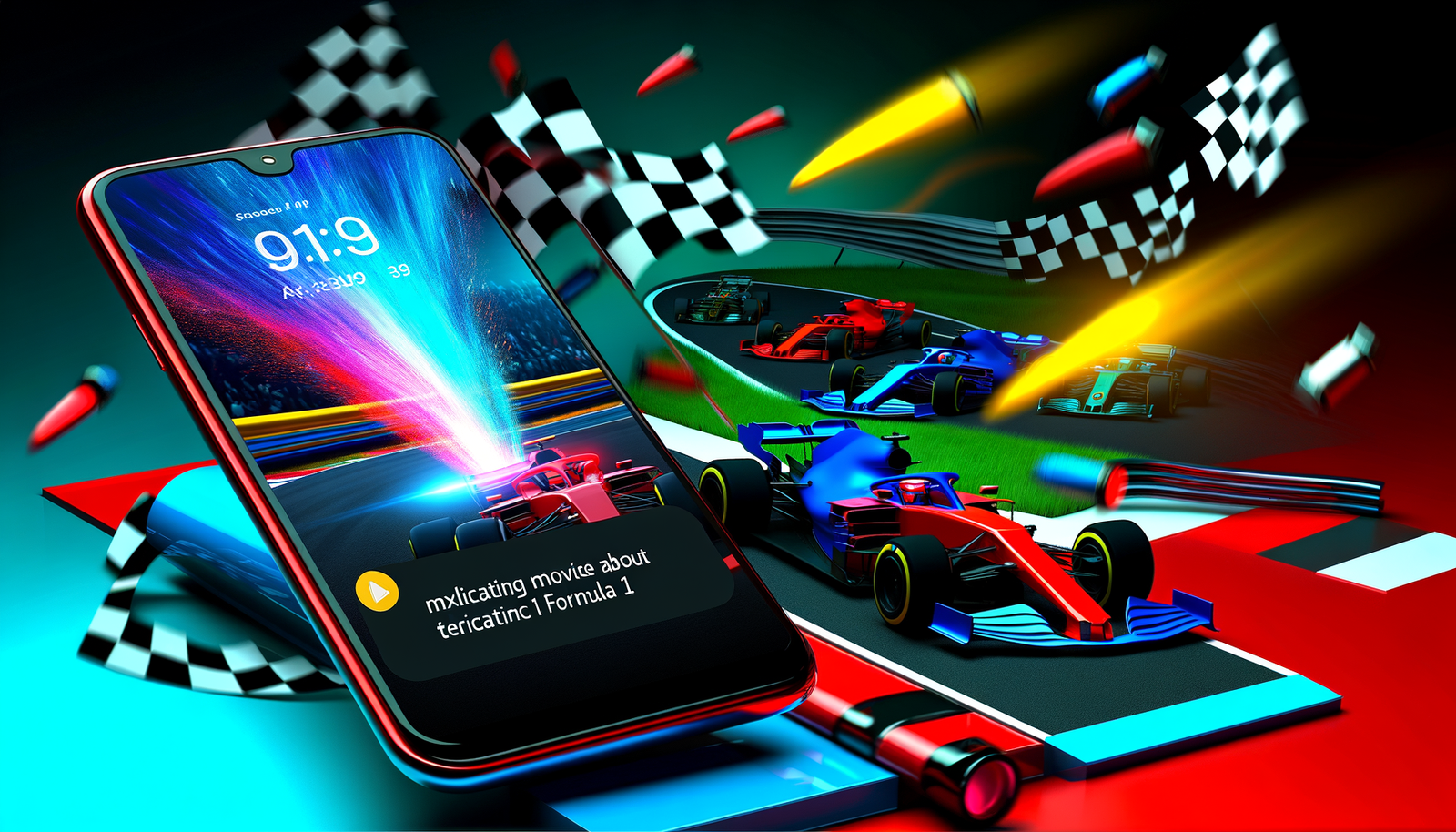
Apple’s F1 movie ad positioned itself as an homage to the sport, featuring stunning visuals and a pensive tone. The campaign aimed to introduce a new generation of fans to the thrill of the race and the complexities surrounding it. Yet, initial reactions suggest that instead of igniting excitement, many viewers felt an emotional disconnect.
- Visual Splendor: While the ad contained captivating shots of high-speed cars and the glitz of racing life, it occasionally came across as overly polished—almost dreamlike. This might resonate with some, but for die-hard fans, it missed the mark in capturing the gritty reality of competition.
- Narrative Overdrive: The narrative focused on storytelling, which, while engaging, left less room for the high-octane action that fans crave. Viewers want to witness wheel-to-wheel battles, not merely the reflection of a driver’s inspirational journey.
- Lack of Engagement: Feedback from fans indicates that the ad may have focused more on Apple’s brand image rather than the excitement of F1. This self-serving approach can undoubtedly alienate a core audience that thrives on connection and community.
Apple’s Missed Opportunity!
With so many diverse narratives to explore—from the intense rivalries between drivers to the enthusiastic culture surrounding F1-it seems that Apple had a goldmine waiting to be unearthed. The ad could have been a celebration of the fans, the teams, and the indomitable spirit of this thrilling sport. For instance, showcasing the sweet taste of victory or the bitter sting of defeat could have formed an emotional bridge between the brand and the audience. Moreover, testimonials from fans detailing what F1 means to them might have added an authentic layer that was glaringly absent.
This misses the crucial point that today’s consumers, especially younger ones, favor authenticity and relatability. They want to feel connected with a brand. Apple’s F1 advertisement could have interspersed real moments of triumph and shared passion within its cinematic landscape. Instead, by spinning a tale that felt removed from the visceral excitement of a real race, they set themselves up for a less-than-stellar reception.
Understanding Fan Expectations
To comprehend why viewers feel slighted, it’s vital to recognize the undercurrents shaping fan expectations. F1’s fanbase is incredibly sophisticated, driven by not just fandom, but also the social ecosystem it fosters. Fans don’t just watch races; they engage with them. Conversations flourish on social media platforms, where opinions, analyses, and heated debates unfold at lightning speed. Knowing this, brands like Apple have the opportunity to create campaigns that resonate deeply by interacting with fans rather than merely showcasing their products.
The Emotional Disconnect
Another aspect that many fans voiced discontent about was the emotional disconnect that pervaded Apple’s portrayal of F1. The adrenaline rush of a tight overtake, the vagaries of strategy during a pit stop, or the joy of a team winning at home are the elements that fan communities celebrate and identify with. Instead, Apple’s focus remained on the aspirational and atmospheric elements of the sport, which, while valuable, ultimately fell flat with the audience longing for a pulse-quickening experience.
Are Brands Listening?
At its core, Apple’s F1 movie ad brings to light an important conversation regarding the relationship between brands and their audiences in today’s landscape. It raises the question: are brands listening? With the rise of social media, brands have direct access to consumer sentiments and preferences. Fans often take to platforms like Twitter to express their opinions in real time. Therefore, ignoring what the fan community desperately wants could result in wasted marketing budgets and disengagement.
The Road Ahead for Apple
The backlash against the F1 movie ad serves as a potent reminder of how important it is for businesses to remain connected with fan communities. Brands that succeed in this domain are those that recognize the powerful stories within the audience and effectively weave them into their campaigns. F1 represents speed, precision, and heart-stopping moments, all elements that could have been expertly blended with Apple’s innovative strengths.
- Emphasize Connections: The key lies in creating an advertisement not just about products but about shared experiences and passions. Apple’s potential to leverage storytelling in a way that speaks to both longtime fans and newcomers is immense.
- Interactive Engagement: Imagine an ad campaign that allows the audience to share their F1 stories or experiences and integrate the best clips into a unified storyline. This kind of interactive engagement could create a deeper connection between the advertisers and the audience.
- Focus on Authenticity: Authenticity reigns supreme, particularly in today’s fast-paced digital era. Showing real fans cheering or capturing the emotional ups and downs of races can provide the sincerity that many viewers crave.
A New Path Forward
While Apple’s F1 movie ad is undeniably a creative endeavor, it serves as a reminder of the fine line brands must walk between artistry and authenticity. The F1 community thrives on passion, drama, and raw emotions that can’t be manufactured or scripted away. For Apple, they have the potential to redefine their connection with motorsport fans by weaving in narratives that celebrate the sport’s vitality and the rich tapestry that fans bring.
As we move forward in this intricate dance between branding and fandom, the hope is that companies will embrace the opportunity to engage genuinely with their consumers. In doing so, the question of whether relationships between big brands and spirited fans can be reconciled will have a more favorable answer. And who knows, maybe the next installment of Apple’s marketing efforts can capture that fierce passion that draws all of us to the thrilling world of Formula 1 racing.
So what’s next for Apple? Only time will tell, as they ride the waves of motorsport marketing. Perhaps they’ll take a cue from the very fans that underpin the excitement of Formula 1, crafting an experience that rekindles the shared joy we all have for this beautifully chaotic sport. If you’re looking for more insightful content on connections between technology and passion, visit Neyrotex.com.