Stanley Kubrick, a visionary filmmaker of the 20th century, was known for meticulously crafting his movies, either pushing them to completion or casting them aside when inspiration struck. Yet, one intriguing project occupied a unique space between ambition and abandonment. This film, often overshadowed by his more famous works, invites us to explore the realms of creativity and technology in ways that resonate today. Unveiling Kubrick’s AI: Spielberg’s Vision Beyond Death delves into the legacy of Kubrick’s influence on cinematic storytelling, revealing how his explorations of artificial intelligence continue to shape the landscape of modern filmmaking.
Stanley Kubrick’s Pursuit of AI
Stanley Kubrick’s legacy is a fascinating tapestry woven with threads of innovation, precision, and fearless storytelling. Born in 1928, the filmmaker is often celebrated for classics like “2001: A Space Odyssey,” “A Clockwork Orange,” and “The Shining.” One project, however, remained on the sidelines throughout his career—an exploration of artificial intelligence that would eventually evolve into the film “A.I. Artificial Intelligence.” This ambitious endeavor, initially conceived during the late 1970s, was unlike anything else Kubrick had tackled, paving the way for ongoing discussions about the relationship between humans and machines.
The Genesis of A.I.
The genesis of the project stemmed from Isaac Asimov’s stories and ideas about robots and artificial intelligence. In an era where personal computers were just beginning to make waves, Kubrick envisioned a narrative that addressed profound philosophical questions. What makes us human? Can machines experience feelings? How would society react to artificially intelligent beings? He was fascinated by the dichotomy of wanting to create and the fear of what such creations might unleash.
- Kubrick’s Intent: He was determined to create a realistic portrayal of AI, eschewing the common tropes of robots as outright villains.
- Philosophical Underpinnings: The film aimed to explore love, longing, and familial bonds through the lens of an AI child.
After several years of development, Kubrick had a clear vision for “A.I.,” but his meticulous nature led to extensive delays. Ultimately, he passed away in 1999 without completing what he had once described as “a fairy tale for the future.”
The Birth of a New Vision: Spielberg Takes the Helm
Enter Steven Spielberg, a director known for his knack for blending the fantastical with the deeply human. Following Kubrick’s death, Spielberg recognized the potential of “A.I.” and took on the monumental task of bringing Kubrick’s vision to life. While the screenplay was already in place, Spielberg infused his own sense of wonder and emotional depth into the project. His adaptation retained the core themes that Kubrick had envisioned while also giving it his signature touch, ultimately making it a heartfelt exploration of humanity’s complex relationship with technology.
The Making of “A.I. Artificial Intelligence”
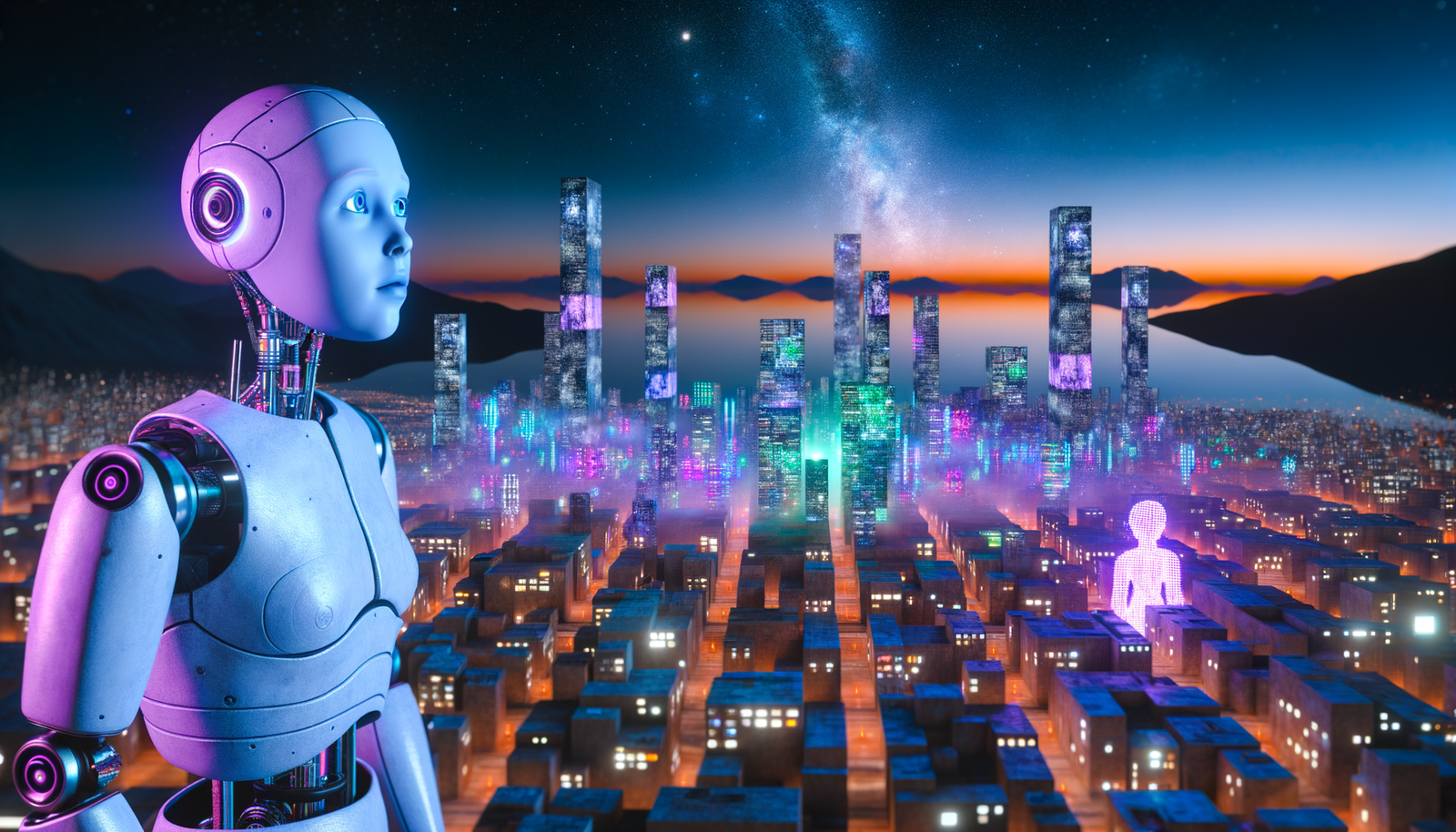
The collaboration between Kubrick’s ideas and Spielberg’s storytelling approach is a testament to how one creator can honor another’s legacy. Upon the film’s release in 2001, audiences were introduced to David, a lifelike robot designed to love unconditionally. The film is a poignant tale about a misunderstood being striving for acceptance in a world that often views him as mere machinery.
As the film unfolded, it tackled pressing questions of identity and emotion, merging visual aesthetics with profound narratives. Spielberg masterfully executed what could very well be viewed as an artificial intelligence love story, blending bright visuals with heart-wrenching themes, drawing viewers deeper into the world of AI. Here are several standout elements of the film:
- Innovative Visuals: The CGI and special effects were groundbreaking for the time, allowing audiences to experience the wonder of AI as never before.
- Emotional Depth: The character of David resonated with many viewers, forcing them to grapple with questions about the nature of love and acceptance.
- Philosophical Reflection: The narrative prompted discussions about the implications of AI on societal norms and ethical dilemmas.
The Cultural Impact of “A.I.” and Kubrick’s Vision
Post-release, “A.I. Artificial Intelligence” was met with a mix of reactions, reflecting the depth of its themes. Some audiences embraced its explorative narrative of AI, while others struggled with its darker implications. However, over time, many critics revisited the film with a new lens, recognizing it as a precursor to discussions about technology and its influence on human experiences. Its influence is visible in numerous modern films and TV series, further showcasing the significance of Kubrick’s initial vision.
Moreover, “A.I.” exists as a cultural artifact that continues to resonate with contemporary conversations about technology. Today, we see AI infiltrating our daily lives—from virtual assistants like Alexa to self-driving cars. Spielberg’s adaptation served as a forewarning of a potentially unsettling future where the line between human emotions and machine mimicry blurs.
Legacy and Reflection
The legacy of “A.I. Artificial Intelligence” has transcended its initial reception. It has become a significant reference point in debates surrounding AI ethics, the implications of technology on human relationships, and what the future may hold for AI. Critics and audiences alike now consider it an integral piece of cinema that reflects on modernity’s ongoing dance with innovation.
In the years following its release, Spielberg’s version of “A.I.” invited filmmakers and audiences alike to wrestle with their understanding of artificial intelligence. As technology rapidly evolves, the themes explored in the film grow increasingly relevant. It serves as both a warning and a meditation on love in an age of machines. Kubrick and Spielberg, two titans of cinema, together crafted a narrative that explores the eternal questions surrounding humanity and its creations.
Moving Forward: What Lies Ahead in AI
The conversation about AI continues, fueled by rapid advancements and increasing integration into our lives. As artificial intelligence becomes more embedded in various facets of society—from healthcare to personal relationships—Kubrick’s initial vision, later reframed by Spielberg, becomes more salient. The questions raised in “A.I.” persist and multiply: What does it mean to be human in a world increasingly filled with artificial creations? And can an artificial entity ever experience true emotions or form meaningful relationships?
As we look toward the future, one cannot help but reflect on the potential trajectory of AI in popular media. Kubrick and Spielberg opened the door to in-depth exploration, raising questions that transcend mere entertainment and probe the very fabric of existence.
Conclusion: A Lasting Legacy
Kubrick’s pursuit of artificial intelligence, even in its unfinished form, shaped narratives and sparked thoughtful discussions about technology’s place in society. Spielberg’s vision not only honored his predecessor but also provided a lens into an uncertain future. As we navigate our rapidly changing world, the collaborations of great minds like Kubrick and Spielberg remind us of the enduring power of cinema to address our deepest anxieties and hopes.
As technologies evolve, so do our conversations about them. Ultimately, Unveiling Kubrick’s AI: Spielberg’s Vision Beyond Death continues to inspire filmmakers and audiences alike, urging us to challenge our assumptions about human connection in a world where artificial intelligence grows ever more prevalent. To learn more about the implications of AI in today’s landscape, make sure to visit Neyrotex.com.