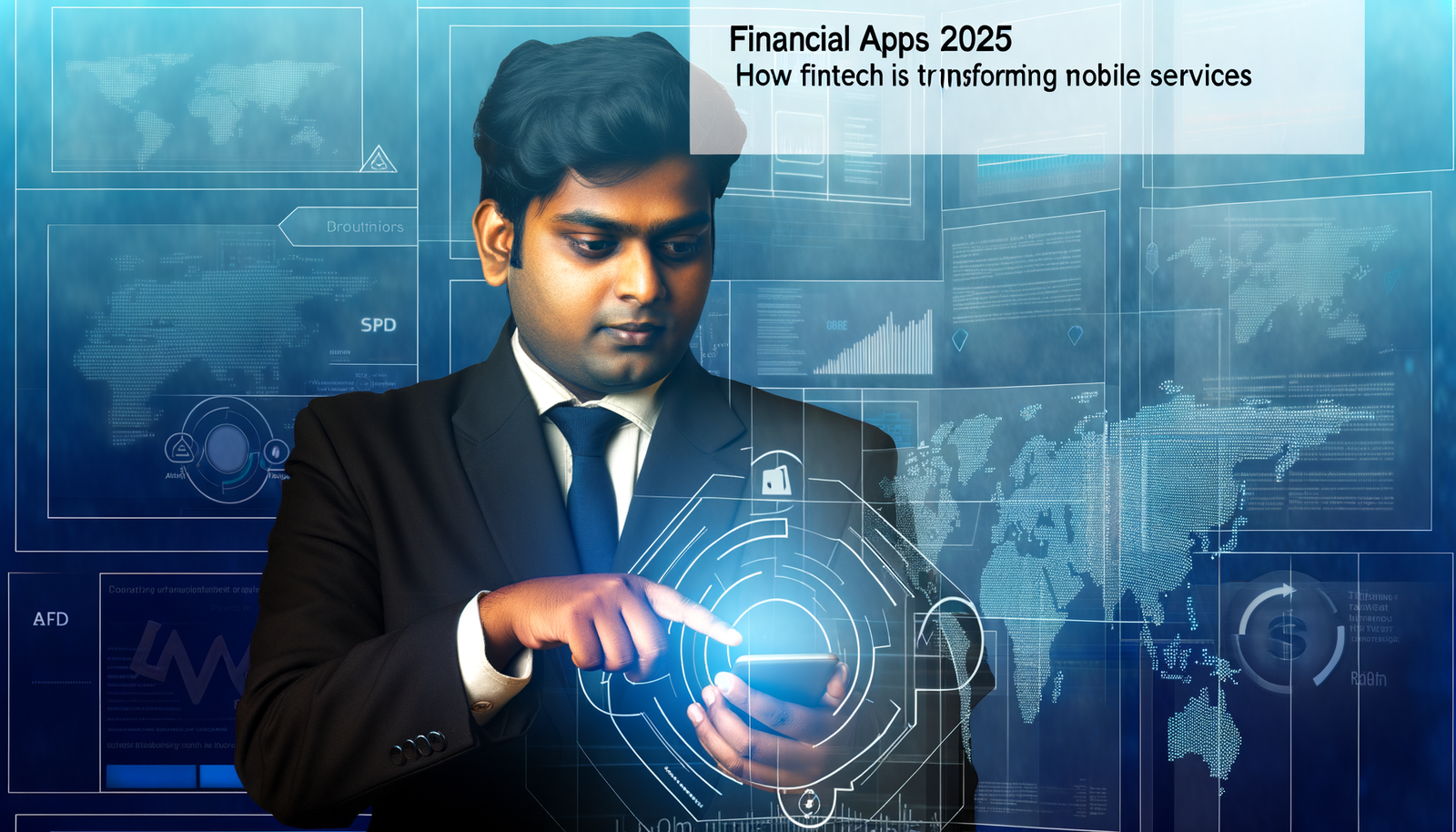
As we venture into 2025, the landscape of financial apps is set to be revolutionized by the rapid advancements in FinTech. With the proliferation of fintech apps, users will experience a new age of mobile finance that seamlessly integrates AI analytics for smarter decision-making. Instant transfers will redefine convenience, while robust security measures ensure peace of mind in money management. This transformation is not just about convenience; it’s about creating a more inclusive and accessible financial ecosystem. Join us as we explore these exciting trends that are shaping the future of finance right at our fingertips.
Financial Apps 2025: The FinTech Revolution
1. AI-Powered Financial Intelligence
AI analytics are becoming the backbone of modern fintech apps, offering personalized insights that empower users to make data-driven decisions. Key features include:
- Predictive budgeting: Apps analyze spending patterns to forecast future expenses and suggest savings strategies, helping users stay on track financially.
- Smart investment recommendations: Machine learning algorithms tailor portfolio suggestions based on risk tolerance and financial goals, allowing for optimized investment strategies.
- Automated expense categorization: Natural Language Processing (NLP) automatically tags transactions and generates detailed financial reports, making tracking expenses simpler and faster.
Additionally, AI can provide insights into market trends, helping users make timely financial decisions, and can suggest products that align with individual financial objectives, ultimately enhancing user financial literacy.
2. Instant Cross-Border Transfers
Traditional banking delays are disappearing as real-time payment systems take center stage. Innovations include:
- Blockchain-based transfers: Near-instant global payments with minimal fees using decentralized networks, which simplify the process of sending money internationally.
- Multi-currency wallets: Seamless conversion and storage of foreign currencies within a single app, giving users flexibility and reducing conversion costs.
- Open Banking APIs: Direct integrations with international banks for faster transaction processing, streamlining operations for businesses and personal users alike.
These developments not only improve the user experience but also foster greater financial inclusion, enabling individuals and small businesses in emerging markets to participate in global commerce.
3. Enhanced Security Architectures
With increasing cyber threats, security remains a top priority. Cutting-edge solutions now include:
- Behavioral biometrics: Authenticating users through typing patterns and device interactions, providing a more personalized and secure login experience.
- Quantum-resistant encryption: Future-proofing data security against emerging threats, ensuring user data remains protected as technology evolves.
- Zero-trust authentication: Continuous verification of user identity across all app interactions, reducing the risk of unauthorized access significantly.
Alongside these features, multi-layered security protocols and advanced threat detection mechanisms are being implemented to safeguard user assets, creating a secure environment for every financial transaction.
4. Personalized Financial Wellness
Apps now act as financial coaches, offering tailored guidance through:
- Debt optimization tools: Automated strategies to minimize interest payments and eliminate debt faster, providing users with actionable insights on managing debts efficiently.
- Automated emergency funds: Apps that automatically set aside savings during high-income periods, promoting proactive financial management behaviors.
- Mental health integration: Stress management resources tied to financial health indicators, encouraging users to consider the psychological aspects of personal finance.
This holistic approach to financial wellness not only empowers users to meet their financial goals but also supports their overall well-being, recognizing the link between financial stability and mental health.
5. Embedded Finance Ecosystems
Financial services are becoming deeply integrated into everyday apps, creating:
- Point-of-sale financing: Buy now, pay later options directly within e-commerce platforms, facilitating smoother consumer transactions and fostering loyalty.
- Micro-investment opportunities: Round-up savings features and spare change investing that make it easy for anyone to start investing, regardless of their financial situation.
- Decentralized identity management: Self-sovereign identity systems for seamless financial access, reducing the need for extensive documentation and verification processes.
This integration streamlines various financial activities, making it easier for consumers to manage their finances while enjoying the convenience of using a single platform for multiple services.
6. Regulatory Compliance Innovations
Apps are now proactively addressing compliance challenges through:
- Automated KYC/AML checks: Real-time identity verification and fraud detection systems that enhance trust throughout the financial ecosystem.
- Smart contract audits: Blockchain-based agreements with built-in regulatory compliance, ensuring that all financial transactions adhere to legal standards.
- GDPR-compliant data handling: Transparent user data control and privacy management, ensuring users’ personal data is handled responsibly and securely.
By embracing these regulatory innovations, fintech apps not only protect themselves and their users but also contribute to a more ethical financial landscape.
7. Hyper-Personalized User Experiences
Apps are leveraging advanced analytics to deliver:
- Dynamic interface customization: Layouts adapting to individual user behaviors for a tailored experience, enhancing user engagement significantly.
- Voice-controlled banking: Natural language processing for transaction management, allowing users to interact with their financial data effortlessly.
- Augmented reality financial education: Interactive 3D models explaining complex concepts, making financial literacy accessible and engaging for all.
These tailored experiences not only improve user satisfaction but also encourage more individuals to take control of their finances by interacting with their banking apps in innovative ways.
By 2025, these innovations will redefine how we interact with financial services, creating a more intelligent, secure, and user-centric mobile banking experience. Whether you’re managing personal finances, running a business, or navigating international transactions, the next generation of fintech apps promises unparalleled convenience and empowerment. The future of finance isn’t just digital – it’s deeply personal, predictive, and globally connected.