South Korean Experts Reveal AI Manufacturing Challenges Ahead
As South Korea aims to position itself at the forefront of industrial artificial intelligence development, its advanced manufacturing capabilities serve as a promising foundation. However, South Korean experts reveal significant AI manufacturing challenges ahead, urging caution against excessive optimism. At a recent conference in Seoul, industry leaders emphasized the importance of government support and proactive measures to encourage hesitant companies to adopt these emerging technologies. With a balanced approach, South Korea could not only lead the charge in AI innovation but also effectively navigate the complexities that lie ahead in the manufacturing sector.
The Promise of AI in Manufacturing
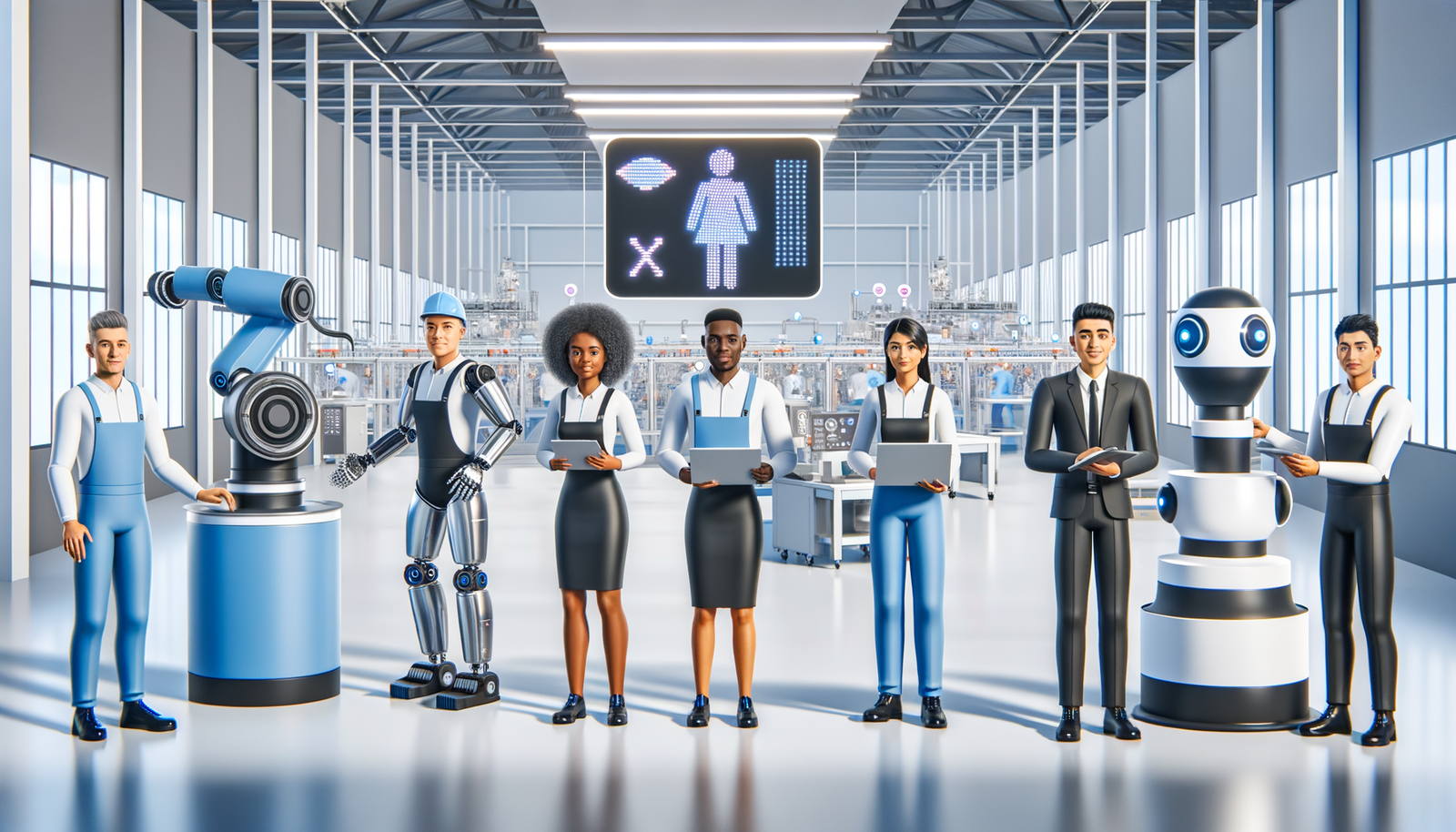
Artificial Intelligence (AI) has taken the world by storm, heralding a new age of manufacturing that promises unprecedented efficiency and innovation. Imagine a factory floor where machines communicate seamlessly, assembling products with precision and speed that no human could match. This future is within reach, and South Korea is uniquely poised to capitalize on it, known for its robust technology sector and forward-thinking mindset.
Yet, despite South Korea’s strong manufacturing base and technological prowess, experts caution that the path to widespread AI integration is riddled with challenges that can’t just be swept under the rug. Industry leaders at the recent Seoul conference highlighted a cardinal rule: implementing AI in factories is easier said than done.
Challenges in AI Adoption
While the glittering promise of AI in manufacturing is hard to ignore, several hurdles stand in the way of its implementation. Let’s break down some of the significant challenges South Korean experts highlighted:
- Cultural Resistance: Many employees in factories may feel uneasy or threatened by the introduction of AI, leading to reluctance in adopting new technologies.
- Cost Concerns: The initial investment for AI infrastructure can be overwhelming for smaller manufacturing firms, which may lack the financial resources of larger corporations.
- Skill Gap: The need for a workforce skilled in AI-related technologies is crucial. Many South Korean firms currently face a skill shortage as they transition to AI-powered systems.
- Data Privacy: With AI systems relying heavily on data, concerns regarding data security and compliance with privacy laws can dissuade companies from fully integrating AI solutions.
- Integration Issues: Merging AI systems with legacy technologies presents a significant obstacle, as many factories still operate on outdated equipment and processes.
Each of these challenges was touched upon by various speakers at the conference, pointing to a pressing need for strategic planning and government involvement to mitigate these issues and promote a healthy AI ecosystem in manufacturing.
The Encouragement of Government Support
One crucial takeaway from the discussions was the seemingly indispensable role of government support in navigating these challenges. Many industry experts believe that proactive governmental measures can smooth the transition toward AI adoption. Here’s how:
- Funding Initiatives: Financial incentives and grants can help companies offset the initial costs associated with AI investments.
- Training Programs: The government can promote educational pathways that enhance the skill sets of workers, thereby equipping them for an AI-driven manufacturing environment.
- Policy Framework: Establishing clear regulations and frameworks can alleviate uncertainties regarding data privacy and compliance, allaying fears that might hinder AI adoption.
- Public-Private Partnerships: Collaborations between the public sector and private enterprises can facilitate shared expertise and resources, driving innovation in AI.
If these areas bear fruit, South Korea could become a model for other nations striving to embrace AI technology within their manufacturing sectors.
Lessons from Global Leaders
As South Korea looks to the future, it would do well to look beyond its borders and glean lessons from global counterparts who have walked the AI path before. Countries like Germany and the United States have invested heavily in their respective AI ecosystems, reaping the benefits while also encountering their own challenges. Some key lessons include:
- Start Small: It’s crucial for manufacturers to begin with pilot projects to test AI applications without committing massive resources upfront.
- Iterate and Scale: After evaluating pilot results, companies should iterate on the technology before gradually scaling their AI implementations.
- Engage Employees: Transparent communication with employees about how AI will enhance their roles—not replace them—is fundamental for easing transitions.
- Invest in Cybersecurity: As AI systems become more integrated, companies must prioritize strong cybersecurity measures to protect against potential breaches.
By studying both successes and missteps from other countries, South Korea can carve its path while avoiding common pitfalls that often plague the AI adoption process.
The Role of Innovation and Collaboration
With the right mindset and supports in place, the potential for innovation in South Korea’s manufacturing landscape becomes staggering. Technology companies are already beginning to form partnerships with traditional manufacturing firms to push boundaries further. Such collaborations can lead to groundbreaking advancements and showcase how AI can synergize with human ingenuity instead of sidelining it.
- Startup Ecosystem: South Korea’s vibrant startup scene, rich with AI talent and innovative ideas, is critical in driving particularly fresh applications in the manufacturing sector.
- Cross-Industry Partnerships: Collaborations across diverse industries—say, technology and automotive—can yield cross-pollination of ideas and lead to unique manufacturing solutions.
Encouraging an innovation mindset within the workforce while actively fostering collaborations could ignite change that positions South Korea as an undisputed leader in AI manufacturing.
Looking Ahead
Indeed, South Korean experts reveal formidable AI manufacturing challenges ahead—the journey appears daunting, littered with complexities and unexpected turnarounds. The road may be fraught with difficulties, but with the right strategies, support structures, and collaborative spirit, South Korea stands on the brink of an incredible transformation.
While navigating through challenges like cultural resistance, cost concerns, and data privacy, the resilient spirit of the South Korean workforce combined with governmental support beckons a promising future filled with AI innovation. As the nation marches onward, every step taken can serve not only to elevate its manufacturing prowess but to shape a new chapter in the global industrial narrative.
To learn more about the dynamics of AI in manufacturing and explore resources for navigating these exciting changes, visit Neyrotex.com.