Collaborate Remotely with AI Music Collaboration Tools for Teams
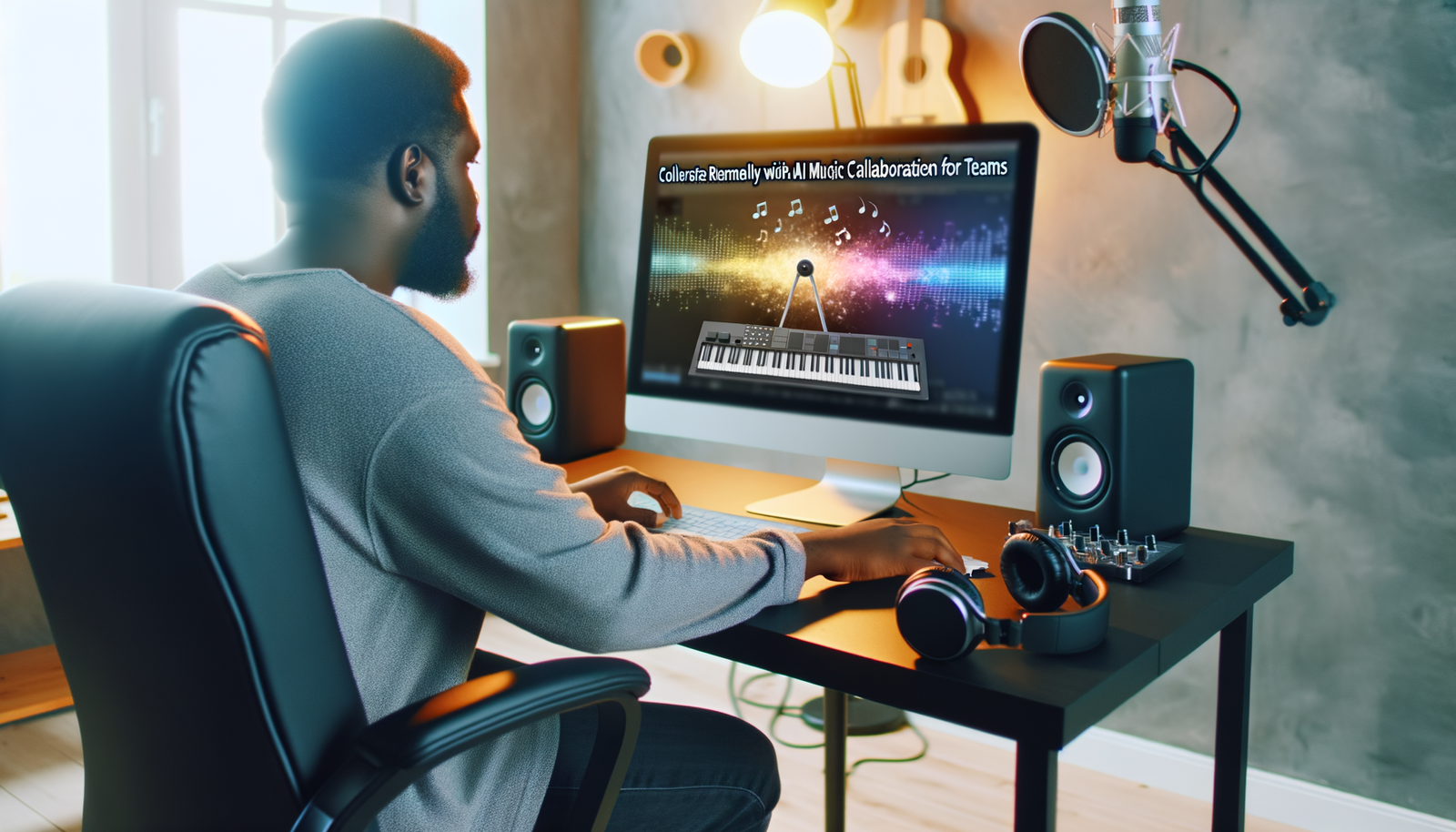
In today’s digital age, collaborating remotely has become a norm, and the music industry is no exception. AI music collaboration tools for remote teams are revolutionizing the way musicians create together, allowing for seamless co-creation and synchronization of tracks. These innovative tools not only suggest musical variations but also enable teams to exchange ideas effortlessly. By leveraging AI technology, remote musicians can break geographical barriers, iterate faster, and maintain creative consistency, ultimately nurturing innovation and producing high-quality songs in real-time. Embrace the future of music collaboration and watch your creative process flourish!
Real-Time Collaboration: Bridging Distance with Precision
Geographical barriers dissolve when teams use AI-powered platforms designed for low-latency audio transmission. JackTrip stands out as a pioneer in this space, delivering studio-quality audio with latencies under 25 milliseconds—making it feel like collaborators are in the same room, even across continents. This technology integrates seamlessly with digital audio workstations (DAWs) and supports high-resolution audio up to 96kHz, ensuring professional-grade sound without compromising on clarity.
For teams requiring browser-based solutions, JackTrip’s web interface offers plug-and-play functionality with built-in microphones, ideal for quick brainstorming sessions. When paired with high-end audio interfaces, the desktop app unlocks the full potential of real-time collaboration, synchronizing tracks with millisecond precision. This setup eliminates the hassle of file-sharing and allows teams to focus on creative synergy rather than technical logistics.
The future of collaborative music creation lies in the ability of these tools to facilitate real-time feedback and adjustments. Musicians can complement each other’s ideas, modify arrangements, and work concurrently, fostering an energetic environment that thrives on instant input. Thus, remote teams can craft more cohesive works, enhancing their artistic output and making the collaborative process more enjoyable and effective.
AI Composition: Sparking Creativity Through Intelligent Systems
Modern AI tools don’t just assist—they actively participate in the creative process. SOUNDRAW exemplifies this with its advanced neural networks that analyze mood, genre, and structure to generate cohesive compositions. The platform’s multi-parameter control system lets teams tweak elements like tempo, instrumentation, and lyrical themes in real time, fostering collaborative experimentation.
For those seeking inspiration, Google DeepMind’s Music AI Sandbox offers three transformative tools: Create, Extend, and Edit. These features allow teams to generate musical ideas from text prompts, expand existing compositions, and reshape tracks by adjusting mood or genre. The Edit tool even enables granular adjustments to specific sections, such as shifting a guitar riff’s tone or reworking a vocal melody. This allows teams to push creative boundaries and discover unique soundscapes that may not have been achievable otherwise.
Meanwhile, Lyria 2 pushes the boundaries of high-fidelity music generation, capturing intricate nuances across genres. This model isn’t just a tool—it’s a creative partner that understands musical context, enabling teams to explore uncharted sonic territories. Platforms like Soundverse AI further democratize creativity, letting users generate custom songs from text prompts or reference tracks, complete with vocal integration and genre-specific templates. The ability to generate professional quality music with the push of a button empowers artists to focus on their creative vision while relying on AI to handle the technical aspects.
Mastering and Distribution: Polishing and Sharing with AI
After composition, LANDR Studio emerges as a powerhouse for refining and distributing music. Its neural network mastering engine analyzes tracks to enhance dynamics, EQ, and stereo imaging, producing polished results that rival professional studios. The platform’s real-time collaboration features synchronize audio and video streams, allowing teams to review mixes and provide feedback simultaneously.
LANDR also streamlines distribution to 150+ platforms, eliminating the need for manual uploads. Its sample database (2M+ sounds) and plugin ecosystem (30+ tools) empower teams to refine tracks with professional-grade resources. For remote producers, this end-to-end workflow reduces production bottlenecks and accelerates time-to-market.
Moreover, LANDR’s user-friendly interface and intuitive tools take the complexity out of mastering, providing users, even those without technical backgrounds, the ability to achieve professional-sounding results. By offering comprehensive analytics on track performance, artists can adapt their strategies for future releases, ensuring their music reaches the right audiences effectively and efficiently.
Enhancing Productivity: AI Agents That Anticipate Needs
Google Workspace’s Agentic AI redefines team coordination by acting as a proactive collaborator. Unlike traditional AI assistants, it anticipates tasks—rescheduling conflicting meetings, drafting email responses, and generating document summaries from meeting notes. For music teams, this means less time spent on administrative tasks and more focus on creative output.
Imagine an AI that flags conflicting deadlines, auto-populates Sheets with project metrics, or transcribes key insights from Zoom meetings. This proactive approach ensures teams stay aligned, even when working across time zones. By automating routine tasks, Agentic AI creates bandwidth for high-impact creative work, facilitating a smoother workflow that complements the artistic process.
This AI-driven productivity enhancement empowers artists to focus more profoundly on their musical projects. By alleviating the administrative burdens often associated with collaboration, teams can channel their energy toward innovation and artistry, allowing for a more enriched and focused creative journey.
Future Trends: AI-Driven Music Collaboration
As AI evolves, so do the possibilities for remote music teams. Emotion recognition algorithms are emerging, enabling tools to adapt compositions to a listener’s mood or generate lyrics that resonate emotionally. Live-streaming integration will allow real-time audience interaction, with AI adjusting performances based on crowd feedback.
For educators, platforms like Neyrotex.com offer bulk licensing models that make AI tools accessible to schools, fostering the next generation of music creators. As these technologies mature, the line between human and machine collaboration will blur, giving rise to entirely new forms of artistic expression.
The convergence of AI and music signifies an exciting frontier for innovation, where collaboration transcends geographical and traditional creativity limitations. As remote music teams harness these advancements, the capacity for musical exploration and unique artistry will expand exponentially, changing the landscape of music production forever.
Ready to transform your remote music projects? Subscribe to our Telegram channel for exclusive insights into AI-driven creativity and industry trends. The future of music collaboration is here—join the revolution!