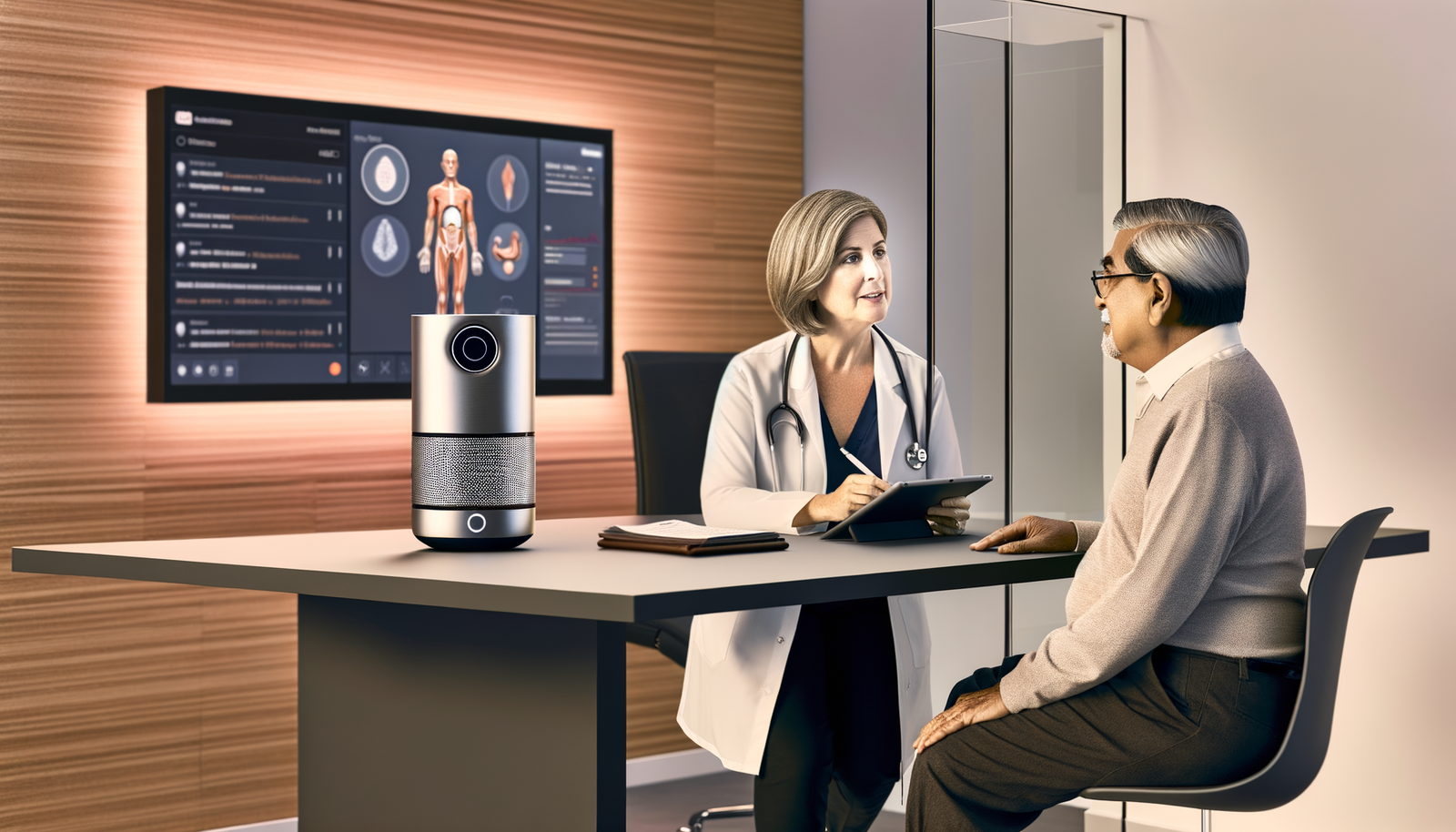
In the rapidly evolving landscape of healthcare, the integration of artificial intelligence is revolutionizing medicine, particularly in the realm of doctor note-writing. As healthcare professionals face immense pressures to manage time and productivity, many are turning to AI to streamline their documentation processes. However, this shift comes with a poignant dilemma. Dr. Christine Henneberg articulates her concern, stating, “As a doctor who is very much a writer, I feel a sense of dread and even grief at this new option (or pressure) to outsource my note-writing to AI.” This highlights the complex emotional landscape surrounding technological advancements in medicine.
Revolutionizing Medicine: How AI Transforms Doctor Note-Writing
As we march into the future of healthcare, one undeniable truth stands out: technology is not just augmenting our capabilities but demanding a re-evaluation of our professional identities. In particular, AI-powered tools are stepping in to revolutionize the way doctors record their interactions with patients. This transformation promises to redefine efficiency, alleviate some burdens from healthcare providers, and enhance patient care—yet it raises fundamental questions about the craft of medicine and the essence of doctor-patient communication.
The Challenge of Time and Efficiency
In a typical day, a physician often finds themselves juggling numerous responsibilities, from diagnosing illnesses to discussing treatment options and following up with patients. The time left for proper documentation is often a fleeting luxury. According to recent studies, doctors spend up to two-thirds of their workweek on administrative duties, including the dreaded task of note-taking. The call for a solution is loud and clear: we need innovations that can alleviate this burden without compromising the quality of care.
Enter AI. Intelligent systems have increasingly begun to take on the role of “ambient scribes,” capturing real-time clinical conversations and translating them into coherent notes. Imagine a doctor entering the examination room equipped with a digital assistant that listens, understands, and records everything said during the visit. This technology does not merely transcribe conversations; it utilizes natural language processing to organize information and present it in a format that is meaningful for both doctors and patients.
How AI Works in Doctor Note-Writing
AI processes designed for note-taking harness vast amounts of data to automate documentation. Here’s how it generally works:
- Voice Recognition: The technology listens to interactions, filtering out irrelevant noises and distractions, ensuring only pertinent information is captured.
- Natural Language Processing: Once the voice is transcribed, AI analyzes the text, identifying key medical terms and pertinent details that need to be included in notes.
- Contextual Understanding: By learning from multiple conversations and adapting to patterns, AI systems become better at understanding intent and nuances in discussions, improving the accuracy of documented information.
- Data Integration: AI merges the documented notes with existing electronic health records (EHR), creating a more comprehensive and cohesive view of patient history, treatments, and future recommendations.
The Upside of AI-Driven Doctor Note-Writing
The benefits of introducing AI into the note-taking process are manifold:
- Improved Documentation Quality: AI enhances the cleanliness and organization of notes. No longer will scribbled reminders or ambiguous entries cloud patient records; clarity will reign.
- Increased Efficiency: With AI managing documentation chores, physicians will have more time to dedicate to direct patient care, enhancing the quality of the patient experience.
- Reduced Burnout: By lightening the administrative load, AI may contribute to lower levels of physician burnout—a crucial factor given the mental health crises faced by many healthcare professionals today.
- Access to Better Data: Consolidated notes and records can provide more accurate insights into patient health trends and population health management.
Patient Care in the Age of AI
Some might argue that while AI may be beneficial for doctors, it could complicate patient interactions. Indeed, the essence of doctor-patient communication lies in the personal connection and trust established during conversations. When a machine takes over, what happens to that intimate human touch?
However, advocates of AI in medicine suggest that this technology could enhance, rather than hinder, the doctor-patient relationship. By delegating the note-taking responsibilities, doctors can focus on engaging with their patients, establishing eye contact, and providing emotional support during challenging times. This leads to more meaningful interactions, built on empathy and understanding.
Ongoing Concerns and Ethical Implications
The introduction of AI into the medical field is not without its criticisms. Dr. Henneberg’s mention of “dread” and “grief” reflects a broader concern about the loss of personal touch and the emotional journey of medical professionals. Here are some ethical considerations to ponder:
- Quality vs. Quantity: Will the speed of AI documentation compromise the depth of understanding that comes with writing by hand? Could reliance on AI result in superficial note-taking that overlooks important emotional and diagnostic subtleties?
- Data Privacy: With sensitive information being transcribed and stored, the implications of data breaches and misuse loom large in discussions about AI’s role in healthcare.
- Job Displacement: While AI can handle specific tasks, there’s an ongoing concern that automating certain roles might lead to reduced job security for administrative staff and scribes.
Emphasizing Human Oversight
As revolutionary as AI can be in transforming doctor note-writing, it is crucial to remember that human oversight remains vital. The ideal scenario lies not in a complete delegation of responsibilities to machines, but rather in a partnership where physicians and AI collaborate to enhance patient care. Medical professionals should remain integrally involved in the finalization of notes, potentially correcting any AI-generated content for accuracy and context.
This symbiotic relationship would foster a pragmatic approach to technology use, allowing healthcare professionals to leverage the productivity-enhancing benefits of AI while retaining their unique insights and expertise in patient care.
The Future of Medical Documentation
As we look to the horizon, it becomes increasingly clear that AI is here to stay in the field of medicine. The shift towards AI-driven note-taking promises to reshape the documentation landscape, making it more efficient and patient-centric. However, it equally calls for a thoughtful examination of its implications and an ongoing commitment to preserving the humanistic elements of care.
Ultimately, the future of doctor note-writing lies not solely in AI’s capability to streamline processes but in the delicate balance between embracing innovation and holding onto the core values of medicine—empathy, connection, and understanding. As this revolution unfolds, the call for ongoing discussions, regulatory frameworks, and ethical considerations will be more important than ever.
For those interested in exploring the fascinating world of AI in medicine further, innovative platforms like Neyrotex.com are leading the charge. These resources can provide further insights into how AI is being integrated into practice today, empowering the next generation of healthcare providers.