Volkswagen Revives Physical Buttons: A Game Changer!
In a world where technology continues to redefine our driving experiences, Volkswagen makes a bold statement by reviving physical buttons in their latest models. “Honestly, it’s a car. It’s not a phone.” This sentiment echoes throughout the automotive industry as drivers crave a more tactile, intuitive interface. The return of physical buttons is more than just nostalgia; it’s a game changer! By ditching over-reliance on touchscreens, Volkswagen emphasizes safety and usability. This move not only enhances the driving experience but also reaffirms the importance of focusing on what truly matters behind the wheel. Buckle up as we explore this innovative shift!
The Rise of the Touchscreen Era
For years, the automotive industry has been racing towards a future dominated by technology and sleek, glass-like touchscreens. These screens have become the hallmark of modern vehicles, offering a dazzling array of features that keep drivers connected and entertained. In many ways, they mirror the user interfaces of smartphones and tablets. It seemed as if buttons, those tactile little wonders that once made our driving experience so straightforward, would be relegated to the annals of history.
However, it appears that the tide is turning. As technology advances, so too do the demands and preferences of drivers. Many have voiced frustration with the limitations of touchscreens, particularly when it comes to usability and safety. It’s easier than ever to get distracted when you’re trying to navigate a digital menu while keeping your eyes on the road. Various studies have shown that touchscreens can increase cognitive load, potentially leading to dangerous situations on the road. Cue Volkswagen, stepping in with a refreshingly classic approach—bringing back physical buttons!
Providing a Sense of Control
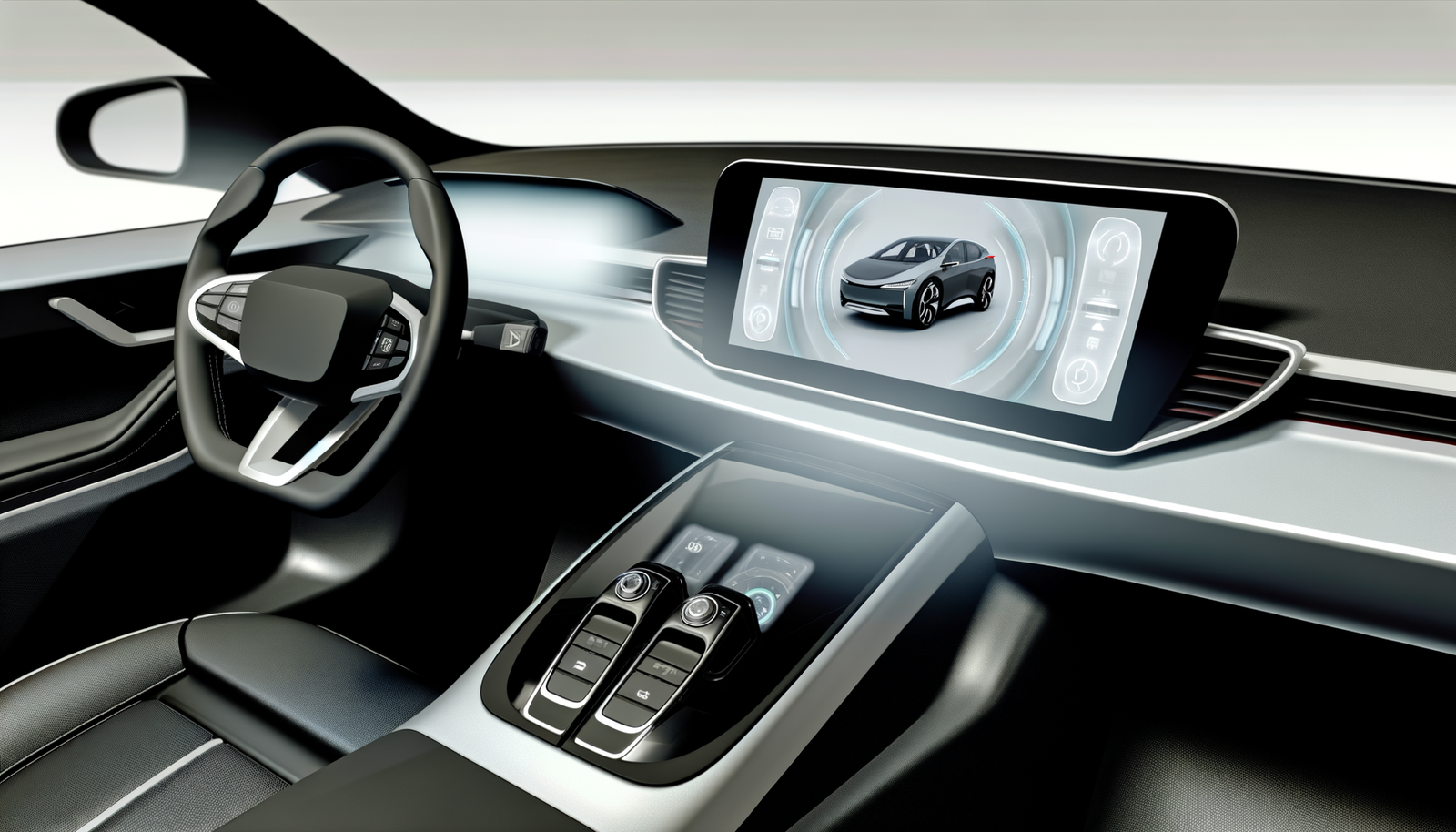
The reintroduction of physical buttons in the Volkswagen ID.2 is more than just an aesthetic choice; it’s about providing a sense of control and engagement. Just think of it: You’re driving along a winding road when you want to adjust the temperature or switch to your favorite playlist. Instead of fumbling with a glass surface, you can simply reach down and feel for the familiar contours of a button. This tactile interaction empowers drivers to remain focused on the task at hand, enhancing safety.
- Improved Safety: Physical controls allow drivers to make quick adjustments without searching through a digital maze.
- Intuitive Design: Buttons can often communicate their purpose through their shape and placement, aiding in quick reactions.
- Reduces Distraction: Engagement with physical controls is quicker and less distracting than navigating a touch menu.
By integrating these tangible elements back into their design plans, Volkswagen highlights their understanding of what drivers truly need. As the industry shifts, this strategy could serve as a reminder that while we need connectivity and technology, we must also prioritize the human elements that make driving enjoyable and, more importantly, safe.
Designing the Future: ID.2 and Beyond
The ID.2, Volkswagen’s newest model poised to showcase this revival of physical buttons, aims to create a sensory-rich experience that combines modern technology with the nostalgia of classic automotive design. But what can we expect from this innovative vehicle? Here’s a look at some of the features that may change the way we regard the car interior:
- Enhanced User Experience: User interfaces utilizing physical buttons are designed for simplicity, allowing for a seamless driving experience.
- Adaptive Layout: Features such as customizable controls can be adjusted to cater to individual drivers’ preferences and comfort.
- Smart Technology Incorporation: While physical buttons return, smart technology will still play a role, offering features like voice recognition.
This approach demonstrates a balance, one that shows that modern cars can incorporate both cutting-edge technology and traditional controls for a more holistic driving experience. Volkswagen is essentially encouraging a dialogue between the driver and the vehicle, rather than letting screens dominate the conversation. The physical button renaissance is upon us!
What Does This Mean for the Automotive Industry?
The emergence of physical buttons in Volkswagen’s fleet promises to be a game changer not only for the brand but also for the larger automotive landscape. As automakers observe Volkswagen’s shift, they may soon find themselves facing pressure to evaluate their own vehicle designs. Will the resurgence of tactile controls spark a wider trend? What can we expect moving forward?
Several factors suggest that this could indeed be the case:
- Consumer Preferences: With many drivers expressing dissatisfaction with touch-based controls, carmakers may be compelled to pay closer attention to user experience.
- Safety Standards: As safety regulations evolve, manufacturers will need to adapt designs that minimize distractions for drivers.
- Sustainable Designs: Traditional materials for buttons can also be embraced without compromising on modern aesthetics, allowing for eco-friendly production processes.
This revitalization of physical buttons may also allow automakers to integrate more intuitive elements like haptic feedback, where buttons provide a tactile response when pressed. Such hybrid systems can satisfy tech-savvy customers while catering to those who prefer the classic feel of buttons. A win-win situation!
Personal Experiences: The Driving Community Speaks
To grasp the importance of this shift, listening to the voices of the driving community is invaluable. Social media and forums have been abuzz with reactions to Volkswagen’s decision, and many agree that they’re eager for this change. Here are some sentiments shared by drivers:
- “Touch screens are fine but can be frustrating when you’re trying to adjust something on the go. I can’t wait for easy buttons!”
- “I love the idea of having physical controls to adjust my settings. It makes me feel like I’m truly in control.”
- “It’s about time we stepped back from the tech overload and focused on what’s essential. Thank you, Volkswagen!”
These insights reflect a broad consensus: people want to engage thoughtfully, intuitively, and safely with their vehicles. Each comment shines a light on how vital it is for manufacturers to evolve alongside their customers’ needs.
The Road Ahead: Innovations Await
While Volkswagen’s ID.2 marks a pivotal moment in revivalist design, it undoubtedly sets the stage for future innovations. As automakers sharpen their focus on driver-centric features, we can expect more brands to experiment and embrace the retro-chic movement with physical buttons.
This could embolden manufacturers to learn from Volkswagen’s successes, consider revamping their models, and enhance the experience with the manipulation of high-tech elements, ensuring safety while also maintaining a sense of connection between driver and vehicle. Soon, we might witness an era where cars boast a perfect blend of analog controls and modern technology!
Conclusion: Embracing Change for the Better
Volkswagen isn’t merely reintroducing physical buttons; they’re sparking a conversation about what we want from our vehicles. They are challenging the industry to reflect on the essence of driving—an experience intertwined with joy, control, and engagement. The revival of physical buttons may very well serve as a catalyst that revitalizes the automotive space and hints at a future where drivers feel more in command than ever.
So here’s to Volkswagen, boldly taking the wheel and navigating the way toward a new frontier of driver-based innovation! For those seeking that tactile interaction, remember this moment—it’s a game changer, indeed!
For more insights and innovations in automotive designs, check out Neyrotex.com.