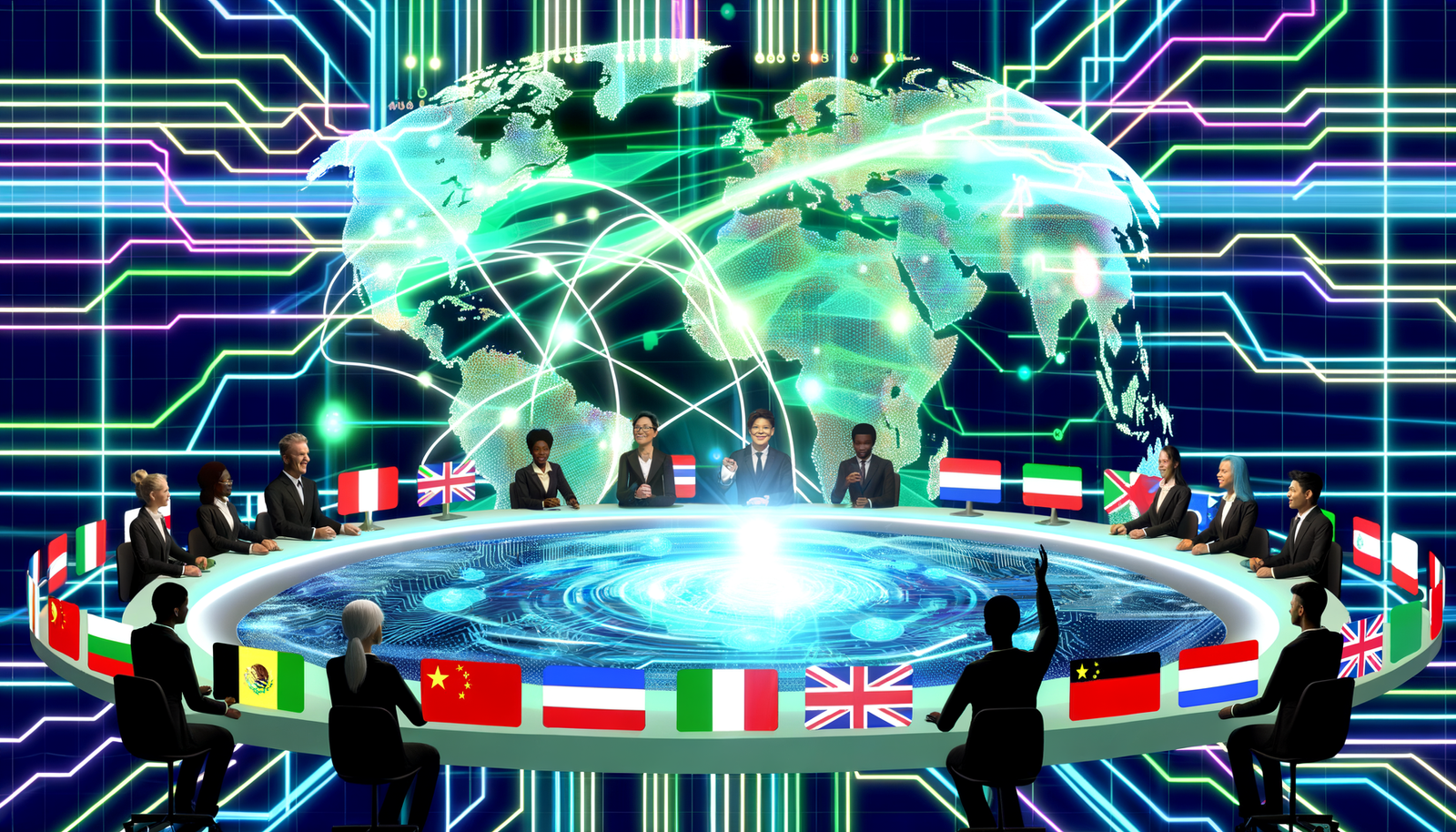
As India embarks on its journey of AI adoption, the race for dominance in artificial intelligence has become a pivotal geopolitical power play. In an exclusive interview with Moneycontrol, Chandrasekhar highlighted that while India is rapidly accelerating its AI initiatives, it still lags behind global frontrunners like China and the US in terms of capabilities. This reveals an urgent need for India to enhance its technological prowess and infrastructure to secure its place in the AI landscape. The stakes are high; the future of economic and strategic influence hinges on who gets ahead in this critical domain.
AI Rising: Geopolitical Power Play for Access Unveiled!
Artificial Intelligence (AI) isn’t just a hot topic in tech circles; it’s rapidly shaping the geopolitics of nations, becoming the next battleground where international power dynamics are forged. As governments race to leverage this transformative technology, a new phase of competition is brewing that could redefine global alliances, economic strength, and even national security. With the advise of industry experts like Rajeev Chandrasekhar, it’s evident that access to AI resources is emerging as a strategic asset for countries. So, what does this mean for nations, particularly India, amidst generating global interest and competition?
The Global AI Arms Race
Countries across the globe are investing significant resources into AI, from military applications to everyday conveniences in civilian life. The U.S. and China have emerged as the leading contenders in this race, both pouring staggering amounts of funding into AI research and development. This competitive environment raises critical questions surrounding access and innovation.
Top Contenders: The U.S. and China
- United States: Home to tech giants like Google, Microsoft, and Amazon, the U.S. pushes the envelope in AI, focusing on both innovation and regulation. The government’s commitment to cutting-edge research, fortified by heavy investments, has resulted in groundbreaking AI models and technologies.
- China: With aspirations to dominate AI by 2030, China boasts a massive pool of data and an extensive market ready for AI applications. The Chinese government has heavily invested in AI infrastructure and research, positioning the country as a powerhouse in both development and usage.
This bilateral competition paves the way for a complicated web of alliances, economic interdependencies, and rivalries, placing nations like India at a crucial junction.
The Indian Perspective
While India is witnessing a surge in its AI initiatives, it’s essential to recognize that it is playing catch-up to the dominant forces of the U.S. and China. As Chandrasekhar noted, India is not only accelerated in its AI projects but has a few key advantages that could propel its success.
Strengths in India’s Favour
- Demographic Dividend: India’s youthful and tech-savvy population can drive innovation, making it a fertile ground for AI applications.
- Robust IT Sector: The nation’s thriving IT ecosystem provides a strong foundation for developing AI technologies, helping fuel various sectors from healthcare to finance.
- Government Initiatives: Programs like Digital India and the National AI Strategy showcase India’s commitment to fostering growth in AI, as policymakers push for faster integration into various sectors.
However, despite these strengths, roadblocks remain. As noted in the interview, there is an urgent need for enhanced technological prowess and infrastructure. Simply put, without investing in groundwork like data storage, computation power, and talent cultivation, India risks falling further behind.
The Stakes at Hand
The future hinges on how well nations position themselves within this AI landscape. Enhanced access to AI technologies means more than just economic advantages; it also translates to political power. Countries are recognizing that those who manage to develop superior AI capabilities will likely command significant influence on the global stage.
Risks and Challenges
- Data Privacy Concerns: With AI development comes the responsibility of ensuring data security and privacy in an era when information is power.
- Ethical Use of AI: As AI capabilities grow, so does the potential for misuse. Ensuring ethical guidelines is vital in safeguarding against harmful applications.
- International Alliances and Rivalries: The competition can lead to tensions, impacting international relations as nations vie for technological supremacy.
This landscape of potential risks underscores the importance of establishing frameworks not only for economic development but also for ethical considerations that ensure AI serves public good rather than personal agendas.
A Call to Action for India
As the AI narrative unfolds, the onus is on India to step forward, not just as a participant but as a leader. The potential for India to foster an advanced AI ecosystem can’t be overstated. However, it requires strategic planning, robust investment, and a nurturing environment for innovation.
- Investment in Skills: Educational reforms to equip the workforce with knowledge in AI, data analytics, and machine learning are critical to building tomorrow’s leaders.
- Enhancing Infrastructure: Private and public investment in infrastructure is necessary to create a conducive environment for AI research and applications.
- Fostering Collaboration: Stronger partnerships between the government, industry, and academia must be developed to drive innovative AI solutions.
Only through such concerted efforts can India hope to enhance its standing on the global arena and seize the advantages that come from being a front-runner in AI technology. The ultimate question we face today is not just when AI will transform the world but how we are prepared to ride the wave of this next chapter.
Conclusion: Navigating the Future of AI
The trajectory of AI’s influence on geopolitics is only beginning to blossom. As powerful nations jockey for position, it’s clear that access to AI not only shapes competitive advantages but also national security strategies. India’s journey is undeniably a thrilling one, replete with opportunities paired with challenges. Positioned wisely, India could carve a unique niche in this burgeoning global landscape, ensuring that it not only keeps pace but potentially leads in a new era of technology and power.
As concerns regarding regulatory frameworks, ethical boundaries, and international relations mount, the importance of a thoughtful and integral approach to AI becomes clear. The race for AI dominance will undoubtedly define the century, with access serving as both a privilege and a battleground.
If you are interested in further insights on this exciting landscape, make sure to check out Neyrotex.com.