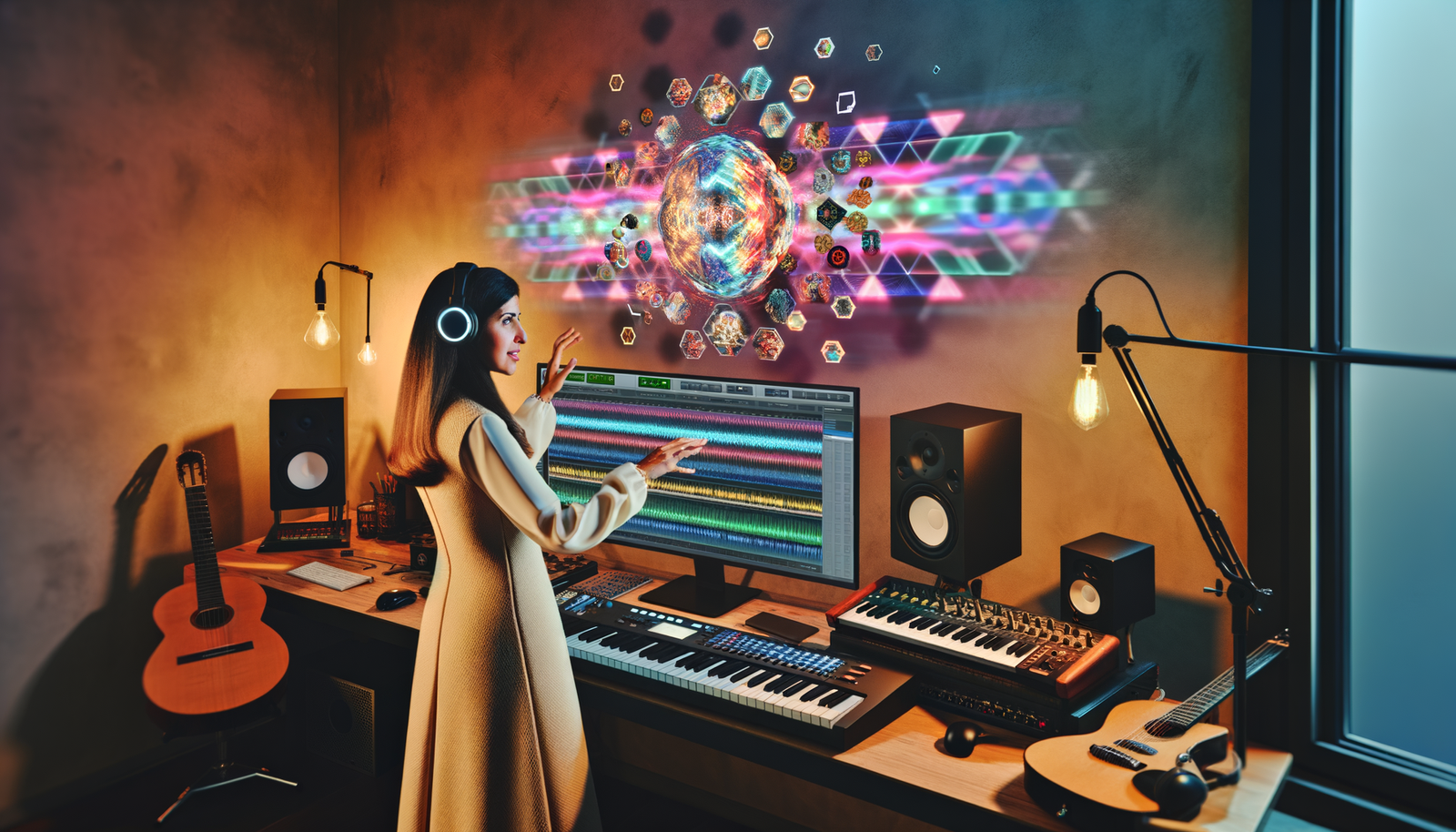
In an era where technology intertwines with creativity, musicians are presented with a groundbreaking opportunity: to revolutionize their sound by mastering AI-powered craft. As artificial intelligence evolves, it empowers artists to compose original melodies without traditional instruments, expanding the possibilities of music creation. The dynamic landscape of music is shifting, allowing for unique collaborations between human talent and innovative algorithms. As we navigate this exciting frontier, it is essential to explore how AI can enhance artistic expression while retaining the emotional depth and authenticity that define music’s ability to enrich our lives.
The Meeting of Minds: AI and Music
Gone are the days when music was solely born from the hands of virtuosic musicians or the songs scribbled in hastily composed notebooks. Today, artificial intelligence has become an invaluable companion in the creative process, fostering collaboration between human ingenuity and machine learning. Artists around the world are embracing this technology, harnessing AI to not only sharpen their sound but also unlock new dimensions of creativity that were previously unfathomable.
The Various Faces of AI in Music
AI has manifested in numerous ways within the music industry, and its versatility is nothing short of impressive. From software that analyzes vast libraries of existing music to algorithms that can compose original pieces, the possibilities are expansive. Here are a few standout applications:
- Composition Assistants: AI-based tools like OpenAI’s MuseNet and Google’s Magenta are helping composers generate new musical ideas by providing suggestions based on existing styles and patterns.
- Music Analysis: Machine learning algorithms are capable of analyzing music trends and audience preferences, helping musicians tailor their compositions to meet listener demands.
- Sound Enhancement: Programs such as LANDR utilize AI to improve sound quality and mastering, allowing musicians to achieve professional production quality from the comfort of their homes.
- Interactive Music Experiences: AI can create interactive environments where musicians improvise alongside real-time algorithms, transforming live performances into unique experiences each time.
- Remixing and Generating Covers: With the ability to deconstruct songs and understand their elements, AI can remix tracks or generate covers in different styles, offering a fresh take on existing music.
AI as a Collaborative Partner
The narrative that artists are solely “owners” of their creations is evolving. Instead, musicians are increasingly viewing AI as a collaborator—an extension of their creative instincts. This shift presents some fascinating implications:
- New Forms of Creativity: Artists are experimenting with AI-generated melodies and lyrics as starting points, transforming them into something deeply personal.
- Cross-genre Fusion: Artists can easily blend genres, styles, and cultural influences using AI tools that can analyze and suggest compositions transcending traditional boundaries.
- Continuous Learning: The integration of AI allows musicians to constantly learn and adapt their craft, utilizing feedback and data to refine their sound.
The Emotional Connection Remains
One of the most significant concerns surrounding AI’s role in music creation is whether it can replicate the emotional depth inherent in human-made art. However, many proponents argue that while AI can create melody algorithms and mimic arrangements, the heart and soul of music remain firmly rooted in the artist’s vision. AI solutions serve to enhance rather than replace the emotional narrative that musicians convey through their work.
Taking Control of Your Sound with AI
For emerging artists and seasoned veterans alike, harnessing the power of AI doesn’t mean surrendering control over their creative process. Instead, it’s all about amplifying their unique sound and allowing technology to perform tedious tasks—such as mixing tracks or generating backing melodies—so artists can focus on the core essence of their music. Here’s how musicians can embrace AI:
- Experiment with AI tools: From interactive composition programs to sound-design plugins, musicians should explore various platforms to find what resonates with their style.
- Stay updated: The rapid pace of AI advancements means that new tools are released regularly; keeping an eye on cutting-edge developments can spark fresh inspiration.
- Personalize and tweak AI suggestions: When AI offers compositions or mixes, adding personal flourishes ensures that the output is uniquely yours.
- Collaborate with tech experts: Musicians may consider partnering with AI specialists to maximize the potential of complex algorithms and express their dreams more effectively.
The Road Ahead: Embracing Change
As artificial intelligence becomes even more woven into the fabric of music, it’s essential not to shy away from this technological evolution. Embracing AI means embracing change—a movement toward a more streamlined, experimental, and exciting process of creating and sharing music. Moreover, it empowers musicians to push the boundaries of what’s conceivable, allowing them to explore soundscapes that may have remained unrealized without technological assistance.
Artists Leading the Charge
Many prominent musicians have already taken giant leaps into the realm of AI. Iconic figures like Imogen Heap and Taryn Southern have experimented extensively with AI in their compositions, gaining attention not only for their innovative approaches but also for how they redefine the relationship between artist and technology. By showcasing what is possible with AI, they inspire countless others to embrace this revolution.
Community and Collaboration in the AI Sphere
The music community is not just being reshaped by individual artists; it’s a collective effort. Various initiatives and online communities aim to foster collaboration among musicians interested in AI. From forums discussing AI tools to online workshops led by tech-savvy artists, there are myriad ways for creators to tap into this vibrant ecosystem. By engaging with others, musicians can develop their skills, share resources, and learn about the latest trends in AI-backed music creation.
A prime example is events like the Symposium on AI in Music, where tech innovators and musicians gather to share insights and experiences. Such gatherings offer opportunities for learning and collaboration while showcasing the crescendo of innovation that AI brings to the music industry.
Conclusion: Onward to New Horizons
AI’s role in the music industry is not just a passing trend; it’s a powerful evolution that is here to stay. Musicians are empowered by AI to expand their creative horizons and connect with audiences through innovative soundscapes. This dynamic partnership will redefine music as we know it, allowing for continuous exploration while preserving the emotional and artistic integrity that make music one of humanity’s most cherished art forms.
As artists continue to harness AI-powered craft, we will undoubtedly witness the emergence of new genres, styles, and sounds—like nothing we’ve heard before. Those willing to embrace this revolution will find themselves at the forefront of a musical renaissance, crafting their legacies with tools that amplify their creativity and enhance their unique expressions. For anyone curious about the possibilities waiting at the intersection of music and technology, remember: the adventure is just beginning. So pick up your instruments—or, better yet, your AI catapult—and gear up for an unforgettable journey into sonic realms.
For more information on how AI can enhance your musical craft, visit Neyrotex.com.