As we stand on the brink of a technological transformation, President Droupadi Murmu on Saturday highlighted the profound impact of artificial intelligence (AI) and machine learning on our future. “Brace for Impact: President Foresees Dramatic AI Revolution!” encapsulates her vision, emphasizing how these innovations will redefine industries and reshape our lives. With far-reaching advances on the horizon, it is crucial to understand the implications and potential challenges that lie ahead as we embrace these technologies. The President’s insights urge us to prepare for a world where AI could be not just a tool, but a driving force behind societal change.
Understanding the Dramatic AI Revolution
The President’s address delivers a clarion call for readiness in the face of unprecedented change. The narrative surrounding artificial intelligence has evolved from science fiction dreams to tangible realities that promise to reshape our work, education, and day-to-day activities. Recent estimates suggest that AI could contribute nearly $15 trillion to the global economy by 2030. This staggering figure underlines the urgency of preparing for the sweeping impacts of this technology.
AI’s Game-Changing Potential
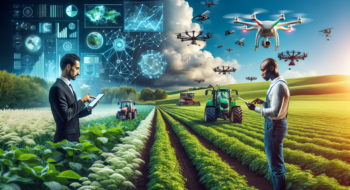
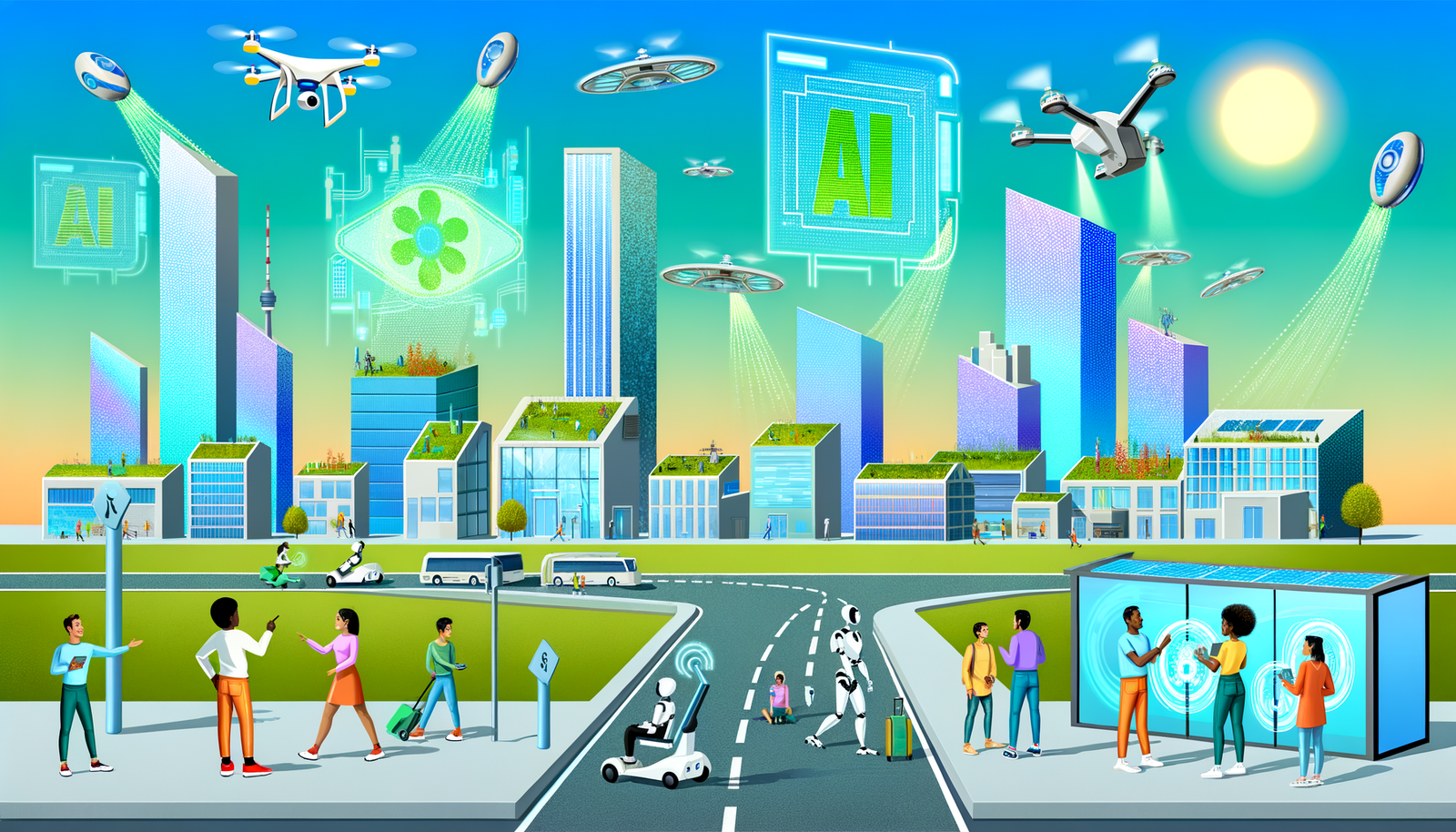
AI and machine learning innovations are expected to enhance productivity dramatically across various sectors. Picture a world where mundane tasks are handled by intelligent systems, freeing humanity to explore creativity and innovation. This is not merely an optimistic view; it’s a forecast grounded in emerging technological capabilities.
- Healthcare: Imagine algorithms capable of predicting patient outcomes with remarkable accuracy, paving the way for personalized treatments and speedier discoveries of cures.
- Education: AI-driven personalized learning systems could adapt to each student’s needs, ensuring they receive an education tailored uniquely to their strengths and weaknesses.
- Manufacturing: Smart factories are already revolutionizing production lines, increasing efficiency and worker safety through automation and real-time data analysis.
The implications of AI extend beyond sheer economic benefits. They hint at a future where frictionless interaction between humans and machines transforms societal structures, possibly rendering some traditional roles obsolete while creating new ones that we can scarcely imagine today.
Navigating Challenges on the Horizon
However, the President’s astute recognition of the exciting future also comes with a warning—this journey will not be devoid of challenges. We must be adept at navigating ethical dilemmas, employment displacement issues, and concerns surrounding data privacy. As AI systems become deeply ingrained in our lives, they must operate transparently and fairly. The integration of AI should not just serve economic interests; it must also prioritize human values.
Employment: A Dual-Edged Sword
One prominent concern is the fear of job loss due to automation. While industries will benefit from increased efficiency, many existing roles may be diminished or eradicated altogether. It’s imperative to understand that technological evolution often brings with it a shift in job landscapes—new roles will emerge, often requiring skills that differ substantially from those of the present day. For example:
- Jobs in data analytics and AI ethics will flourish as the demand for skilled professionals increases.
- Creative roles that leverage human abilities—empathy, strategic thinking, and interpersonal skills—will become more prominent.
- Reskilling programs will become essential as sectors pivot towards more AI-integrated processes.
Comprehensively, it is vital for educational institutions and industries to work in tandem to equip the workforce with skills needed for the future economy. Emphasizing STEM (Science, Technology, Engineering, and Mathematics) education can foster a generation of innovators and problem solvers well-versed in the language of machines.
The Ethical Dimensions of AI
Another significant dimension to consider is the ethical implication of AI integration into society. We must grapple with tough questions such as:
- How do we establish accountability for decisions made by AI systems?
- What measures can we implement to prevent bias in AI algorithms?
- How do we secure personal data without compromising privacy?
This is where the President’s emphasis on responsible innovation becomes critical. To maintain public trust, developers and governments alike must prioritize the creation of frameworks that ensure AI technologies are used ethically and responsibly. Transparent AI is a must, with avenues for external oversight that prevent misuse of such powerful tools.
A Global Perspective: Collaboration and Competitiveness
The AI revolution is not contained within national borders. President Murmu’s remarks also reflect the need for global collaboration. Countries must unite to establish regulations that protect citizens while still fostering innovation. An atmosphere where nations work together in research, share advancements, and build a collective knowledge base will lead to a more balanced approach to AI development.
In this interconnected world, competition can spur growth, yet it can also create a race to the bottom concerning ethical standards. Countries leading the charge in technological advancement must assume responsibility, ensuring that the fruits of innovation are equitably distributed.
Preparing for the Future
Given the potential for mass adoption of AI across diverse sectors, the question shifts from “If AI will change our future?” to “How can we prepare for the consequent changes?”. It is the shared responsibility of policymakers, educators, industries, and individuals to proactively shape AI’s integration into society. A multi-pronged approach will provide the foundation needed to thrive amidst this transformation:
- Foster Continuous Learning: Emphasize lifelong learning to adapt skills according to the evolving landscape.
- Promote Collaboration: Encourage partnerships between educational institutions, governmental entities, and businesses to drive research and ethical standards.
- Focus on Soft Skills: Develop emotional intelligence, communication, and collaborative skills to thrive in a tech-centric environment.
- Engage in Public Discourse: Facilitate dialogues around emerging technologies to educate the public on the potentials and pitfalls of AI.
This proactive stance provides a dual benefit: maximizing the advantages of AI while responsibly mitigating its risks. By embracing change and advocating for transparency and ethical considerations, we position ourselves not just as spectators but as active participants in shaping an astonishing future.
A New Era Awaits
In conclusion, President Droupadi Murmu has indeed issued a rallying cry as we stand on the edge of a technological revolution. With her insights on AI’s sweeping implications, we are reminded of our dynamic potential to not only adapt to disruptive changes but to thrive in dynamic environments. The forthcoming AI revolution promises dramatic transformations in society, industries, and daily life.
So, let’s get ready to embrace this wave of innovation with enthusiasm but also with caution; armed with knowledge, ethics, and preparedness, we can steer the ship of progress toward a bright future. The question remains—how ready are we to brace for impact?
To learn more about the advances in AI and how they will affect our lives, check out Neyrotex.com.