As technology continues to advance, AI is emerging as a critical tool in addressing numerous global challenges, particularly in enhancing the safety of the elderly. Unlocking Independence: How AI Transforms Elderly Safety highlights the transformative potential of AI in creating solutions that allow seniors to live autonomously. With an impressive 92% of older adults expressing the desire to remain independent, it is crucial to leverage innovative technologies to support their needs. From fall detection systems to smart home adaptations, AI is paving the way for a safer, more secure aging experience, empowering seniors to thrive in their later years.
The Rise of AI in Elderly Care
The landscape of elder care is evolving, and at the forefront of this transformation is artificial intelligence. The integration of AI into everyday life is not just a trend; it’s a revolution that is reshaping how we approach the safety and independence of our elderly population. With a burgeoning array of AI solutions, the possibilities for enhancing senior living are expanding daily.
The demographic shift towards an older population cannot be overlooked. By 2050, the number of people over 60 is expected to reach nearly 2.1 billion, doubling from the figures in 2019. This increasing population of elderly individuals emphasizes the urgency for systems that prioritize their safety and well-being while ensuring they can maintain a level of independence.
AI-Powered Fall Detection Systems
One of the most critical aspects of elderly care is fall prevention and management. According to the Centers for Disease Control and Prevention (CDC), one in four older adults experiences a fall every year, leading to severe injuries and sometimes even fatalities. Thankfully, AI is here to turn the tide.
- Smart Sensors: AI-powered sensors installed in homes can detect unusual movements or patterns that might indicate a fall. For instance, if an individual has not moved from a certain position for an extended period, alerts can be sent to caregivers or family members.
- Wearable Technology: Devices worn by seniors can monitor their movements in real-time, triggering automatic calls for help in the event of a fall. These wearables often come with emergency response features, which are lifesavers in critical situations.
The data collected by these systems not only alerts loved ones but can also be shared with healthcare providers for long-term analysis of fall risks, enabling proactive measures to be taken to enhance senior safety further.
Smart Home Technology: A Helping Hand
Home is where the heart is, and AI is ensuring that our elderly can stay there as safely as possible. Smart home technology is gaining traction like never before, offering myriad benefits tailored to the specific needs of older adults.
- Voice-Activated Assistants: What could be easier than speaking to your home? Devices like Amazon Alexa or Google Home can control smart lighting, adjust thermostats, remind seniors about medications, and even make emergency calls, all hands-free!
- Automated Alerts: AI systems can identify when a senior has gone outside their usual patterns, such as not opening the refrigerator or missing a scheduled appointment, and alert family members or medical professionals.
Imagine a world where your home literally anticipates your needs! Smart home technology provides peace of mind for both seniors and their families, ensuring that help is not merely a call away, but integrated into their very environment.
Robotics: The Future of Care
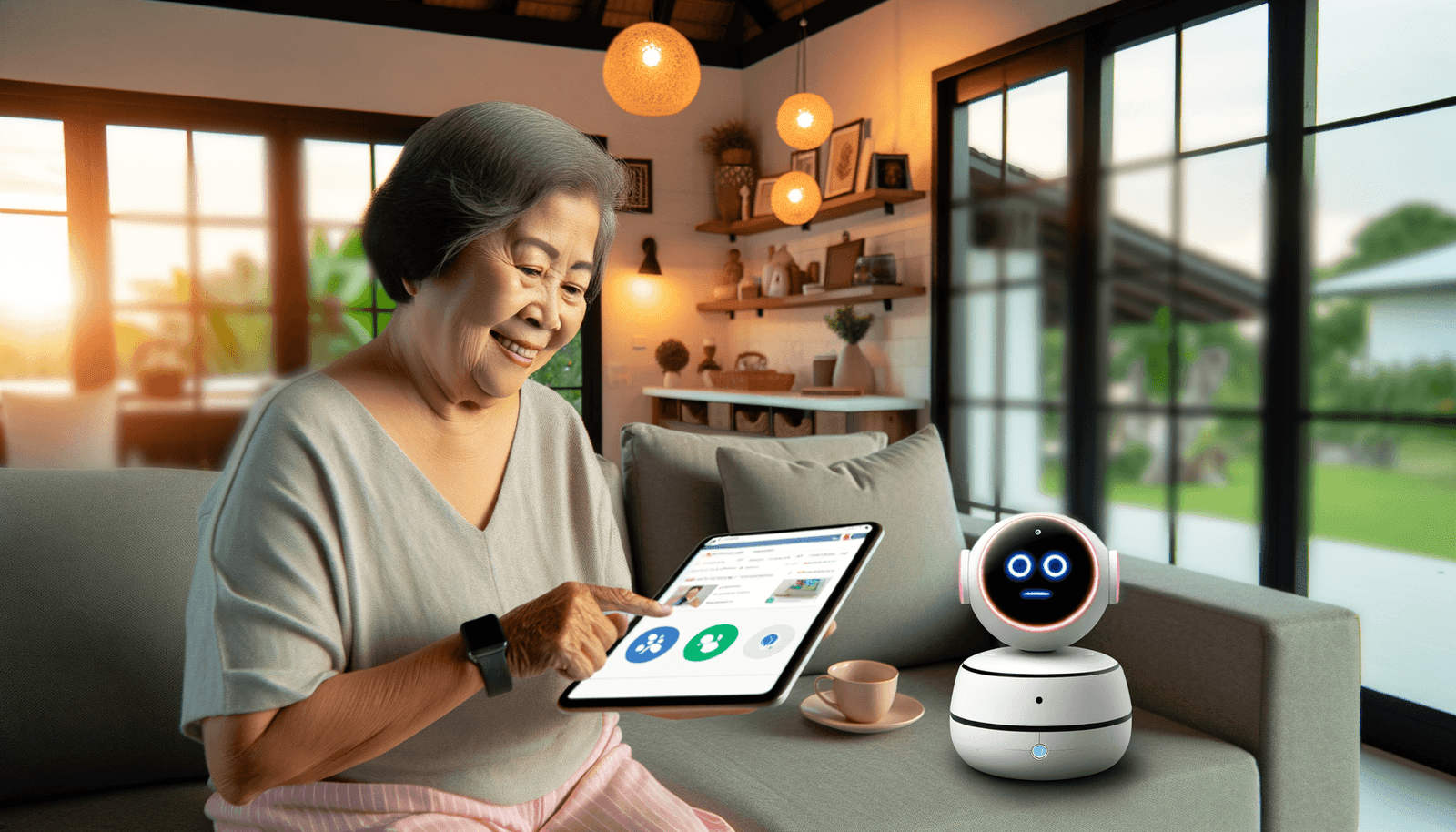
When we think about AI, robots often come to mind. These groundbreaking machines are swiftly stepping into the world of elderly care. Robot companions, equipped with AI capabilities, provide not just physical assistance but also emotional support, enhancing the overall quality of life for seniors.
- Physical Assistance: Robotics serve as mobility aids, helping seniors get back on their feet after a fall or assisting them in performing daily tasks that have become challenging.
- Emotional Connectivity: AI companions can engage with seniors in conversation, play games, and even monitor emotional states to quickly identify when a senior is feeling low or in distress.
These